With more than 10‑year industry experience, Shandong Headpowder delivers full‑service pneumatic‑conveying systems and blowers, undertaking nationwide turn‑key powder‑handling projects.
Carboxymethyl cellulose (CMC) is a widely used chemical additive in various industrial applications, including pharmaceuticals, food processing, and construction materials. The efficient handling and transportation of CMC powder are crucial for maintaining product quality and operational efficiency. This article provides an overview of the structural principles underlying CMC powder handling systems, with a focus on the technical aspects that ensure reliable and safe material transport.
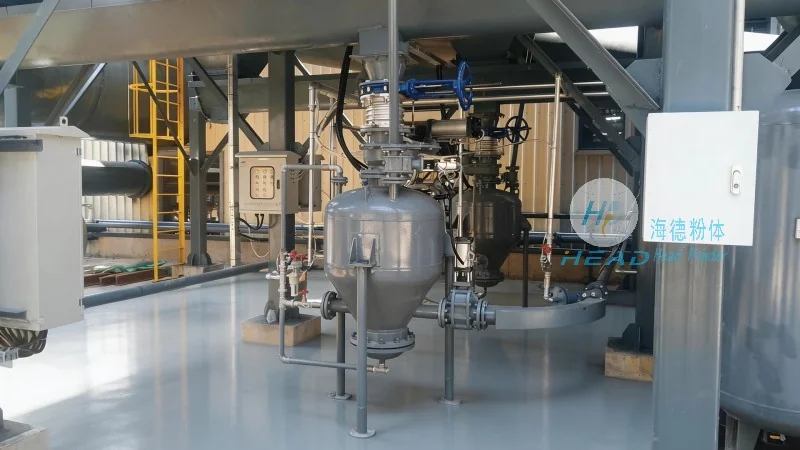
Carboxymethyl cellulose powder exhibits unique physical properties that influence its handling behavior. As a hygroscopic material, CMC absorbs moisture from the air, which can lead to caking or agglomeration if not managed properly. Additionally, its fine particle size (typically in the range of 100-200 microns) makes it prone to dust generation and airflow resistance during transport. These characteristics necessitate specialized equipment and design considerations to ensure smooth and consistent powder flow.
The structural principles of CMC powder handling systems are built upon a combination of mechanical and pneumatic components that work together to manage the material's flow characteristics. The primary structural elements include feeders, which are responsible for controlling the initial release of powder from storage silos, and conveyors, which transport the powder to processing or packaging units. Feeders, such as rotary airlock valves or vibratory feeders, are designed to handle the hygroscopic nature of CMC by preventing material buildup and ensuring a consistent flow rate. For example, rotary airlock valves use a rotating drum to create a seal, allowing powder to pass through while maintaining pressure differentials. Vibratory feeders, on the other hand, use mechanical vibrations to loosen agglomerates and maintain a steady flow, which is particularly effective for fine powders prone to caking.
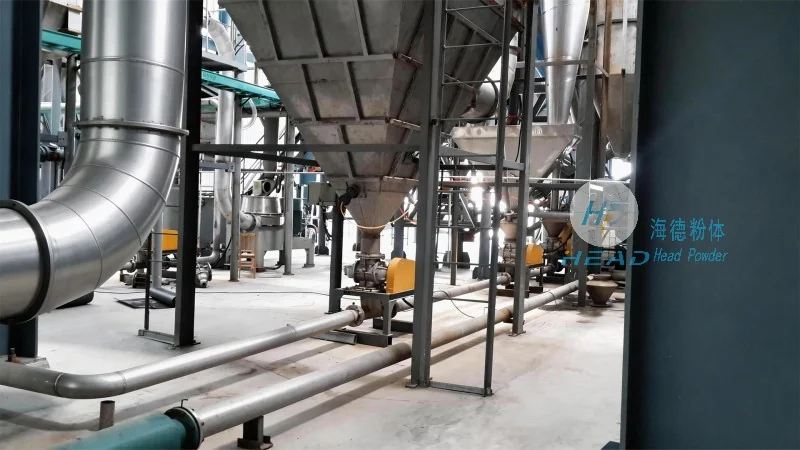
Conveyors, including pneumatic systems and mechanical screw conveyors, are selected based on the specific requirements of the application. Pneumatic conveyors use air pressure to move powder through a pipeline, which is ideal for long-distance transport and can handle large volumes of material. However, they require careful control of air pressure and flow rates to prevent particle degradation or blockages. Mechanical screw conveyors, in contrast, use a rotating screw to push powder along a trough, providing a more direct and reliable transport method, especially for materials that are sensitive to air exposure. The choice between these systems depends on factors such as the distance to be covered, the volume of material, and the need for dust control.
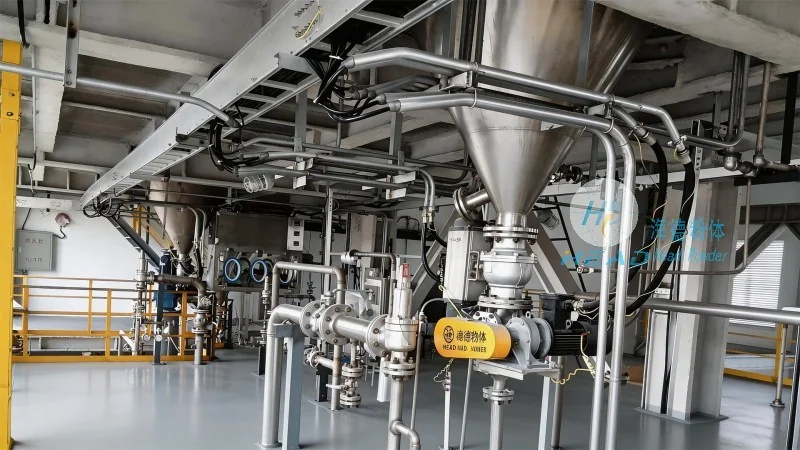
HeadPowder, the brand name of Shandong HeadPowder Engineering Co., Ltd., is a leading manufacturer of specialized powder handling equipment based in Shandong, China. The company has established itself as a trusted partner in the chemical and pharmaceutical industries, providing innovative solutions for the efficient and safe handling of fine and hygroscopic powders like carboxymethyl cellulose. With a strong commitment to research and development, HeadPowder continuously improves its products to meet the evolving needs of its clients, ensuring that their systems remain at the forefront of industry standards.

HeadPowder's CMC powder handling systems are engineered with several key features that enhance performance and durability. The use of corrosion-resistant materials, such as stainless steel, ensures long-term operation in environments where moisture and chemicals are present. Advanced control systems allow for precise regulation of flow rates and pressure, optimizing the handling process and reducing waste. Additionally, the company's designs incorporate dust suppression mechanisms to minimize environmental impact and maintain workplace safety. These features collectively contribute to the high efficiency and reliability of their powder handling solutions.
The effectiveness of CMC powder handling systems is evident in various industrial applications. In the pharmaceutical sector, precise control of CMC powder flow is critical for maintaining the consistency of drug formulations. In the food industry, efficient handling ensures that CMC is incorporated uniformly into products, enhancing texture and stability. The construction industry also benefits from CMC's ability to improve the workability of cement and other building materials, where consistent powder delivery is essential for quality control. These applications highlight the importance of robust powder handling systems in ensuring product quality and operational success.

 Shandong Headpowder Engineering Co., Ltd.
 156-6277-7102(Manager Zhang)
  0531-83386006
  Zhangqiu District, Jinan City, Shandong Province, China
telephone
WeChatconsult
top