With more than 10‑year industry experience, Shandong Headpowder delivers full‑service pneumatic‑conveying systems and blowers, undertaking nationwide turn‑key powder‑handling projects.
HeadPowder, a leading manufacturer based in Shandong, China, specializes in the design and production of advanced grain particle pneumatic conveying systems. These systems are engineered to efficiently transport bulk materials like grains, powders, and other granular substances over long distances with minimal loss and maximum reliability. This article provides an overview of the equipment involved, its structural design, and the underlying principles that enable effective pneumatic conveying.
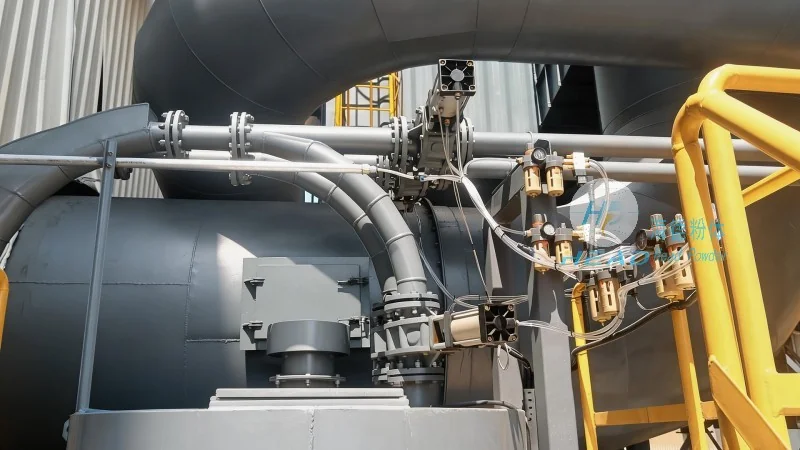
Pneumatic conveying systems utilize air or gas to move bulk materials through a pipeline network. For grain particles, these systems are particularly valuable in agricultural and food processing industries due to their ability to handle delicate materials without causing damage or contamination. The core components of a typical grain particle pneumatic conveying system include the feeding hopper, the air compressor or blower, the conveying pipeline, and the discharge unit. Each component plays a critical role in ensuring smooth and efficient material transport.
The feeding hopper is the initial stage where grain particles are loaded into the system. It is designed to maintain a consistent flow of material into the conveying line, preventing blockages and ensuring uniform air distribution. The air compressor or blower generates the necessary pressure to move the particles through the pipeline. Different types of blowers, such as rotary lobe or centrifugal models, are used depending on the specific requirements of the application, including the material's density, particle size, and the distance to be conveyed. The conveying pipeline is typically made of durable materials like stainless steel or PVC to withstand the abrasive nature of grain particles and the pressure from the air flow. The pipeline network may include bends, elbows, and expansion joints to accommodate changes in direction and elevation, ensuring the material is transported without excessive pressure loss or particle degradation.
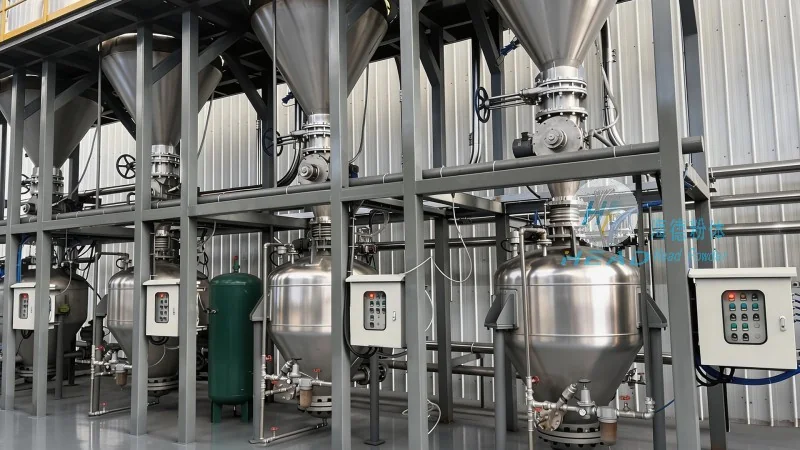
The fundamental principle behind pneumatic conveying is the creation of a low-pressure or high-pressure air stream that propels the grain particles forward. In a typical system, the air is introduced into the conveying line at a pressure higher than the ambient air pressure, creating a vacuum or pressure differential that draws the particles into the flow. The velocity of the air stream must be sufficient to overcome the gravitational forces acting on the particles and to keep them suspended in the air stream. This velocity is carefully controlled to prevent particle segregation or damage. The system may employ different conveying modes, such as dilute phase or dense phase, depending on the material characteristics and the desired transport efficiency. Dilute phase conveying uses higher air velocities to keep particles suspended, while dense phase conveying uses lower velocities to move particles in a more compacted state, which is beneficial for handling sensitive materials.
Implementing a pneumatic conveying system for grain particles offers several advantages over traditional mechanical conveying methods. These systems are highly efficient in terms of energy consumption and operational costs, as they eliminate the need for mechanical components like belts, chains, or buckets that require regular maintenance and replacement. Pneumatic systems also provide better control over the material flow, allowing for precise dosing and regulation of the conveying rate. Additionally, they minimize material handling losses and contamination risks, which is crucial for maintaining the quality and purity of grains, especially in food processing applications. The compact design of these systems also allows for easier integration into existing production lines, reducing the need for extensive facility modifications.
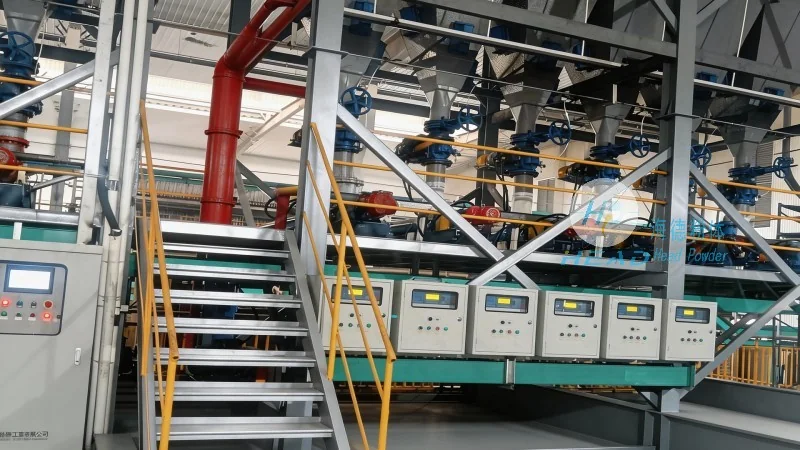
Grain particle pneumatic conveying systems are widely used in various applications within the agricultural and food industry. In grain storage facilities, these systems are employed to transfer harvested grains from storage silos to processing plants or for internal distribution within the facility. In flour mills, they are used to transport raw grains to grinding units and to move finished flour products to packaging areas. The systems are also utilized in feed manufacturing plants to convey raw materials like corn, soybeans, and other ingredients to mixing and extrusion equipment. The versatility of pneumatic conveying makes it suitable for a wide range of grain types, including wheat, corn, rice, and oats, ensuring efficient handling throughout the entire production process.
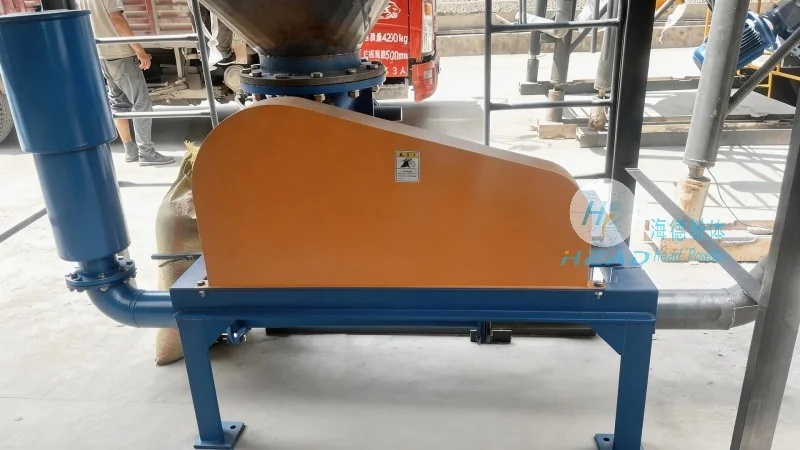
To ensure the long-term reliability and efficiency of a grain particle pneumatic conveying system, proper maintenance and operational practices are essential. Regular inspection of the air compressor or blower is necessary to maintain optimal performance and prevent air leaks that could reduce conveying efficiency. The conveying pipeline should be checked for any signs of wear, corrosion, or blockages, which could impede the flow of particles or cause pressure drops. The feeding hopper and discharge unit should be cleaned periodically to prevent material buildup and ensure consistent flow. Additionally, monitoring the air pressure and flow rate during operation helps identify any issues early, allowing for timely adjustments or repairs. Proper training of operators on the system's operation and maintenance procedures is also crucial to maximize the system's lifespan and performance.
HeadPowder's grain particle pneumatic conveying systems represent a sophisticated solution for efficient and reliable bulk material transport in the agricultural and food processing sectors. By understanding the structural components and operational principles of these systems, users can make informed decisions about their material handling needs. The advantages of pneumatic conveying, including energy efficiency, minimal contamination, and compact design, make it an ideal choice for modern grain processing operations. With its headquarters in Shandong, China, HeadPowder continues to innovate and provide high-quality equipment that meets the evolving demands of the industry.

 Shandong Headpowder Engineering Co., Ltd.
 156-6277-7102(Manager Zhang)
  0531-83386006
  Zhangqiu District, Jinan City, Shandong Province, China
telephone
WeChatconsult
top