With more than 10‑year industry experience, Shandong Headpowder delivers full‑service pneumatic‑conveying systems and blowers, undertaking nationwide turn‑key powder‑handling projects.
Pneumatic conveying systems are widely used in the handling and transportation of bulk powder materials, such as calcium carbonate. These systems utilize air or other gases to transport particles through a pipeline network. For calcium carbonate powder, which is commonly used in industries like plastics, paper, and coatings, efficient and reliable pneumatic conveying is crucial to maintain product quality and operational efficiency. The following content will detail the operation process and working principle of a typical calcium carbonate powder pneumatic conveying line, highlighting key components and the step-by-step procedures involved.
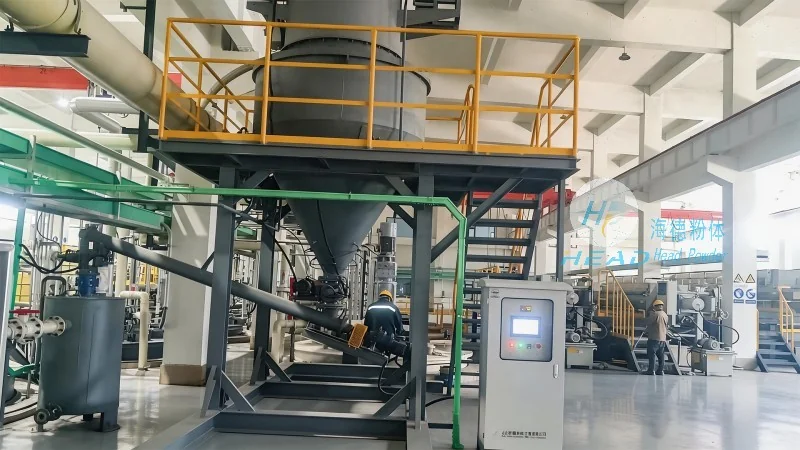
The calcium carbonate powder pneumatic conveying line typically consists of several essential components that work in concert to ensure smooth material transport. The primary components include the material feeder, which is responsible for feeding the powder into the system; the air compressor or blower, which generates the necessary airflow; the conveying pipeline, which transports the powder and air mixture; the separation and collection system, which separates the powder from the air at the end of the line; and the control system, which monitors and regulates the operation of the entire process. Each component plays a critical role in maintaining the efficiency and safety of the conveying operation.
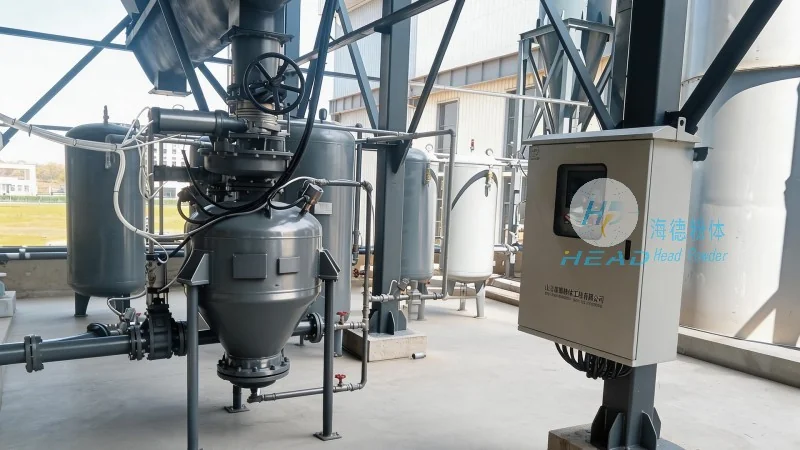
The working principle of the pneumatic conveying line for calcium carbonate powder is based on the principle of fluidization and particle suspension. When air is introduced into the conveying pipeline at a sufficient velocity, it creates a low-pressure zone that draws the calcium carbonate powder into the system. The powder particles are then suspended in the air stream and transported through the pipeline. The velocity of the air must be maintained above the critical velocity, which is the minimum speed required to keep the particles in suspension and prevent them from settling or clogging the pipeline. The system operates by creating a continuous flow of air and powder, ensuring that the material is transported from the source to the destination without the need for mechanical components like belts or buckets.
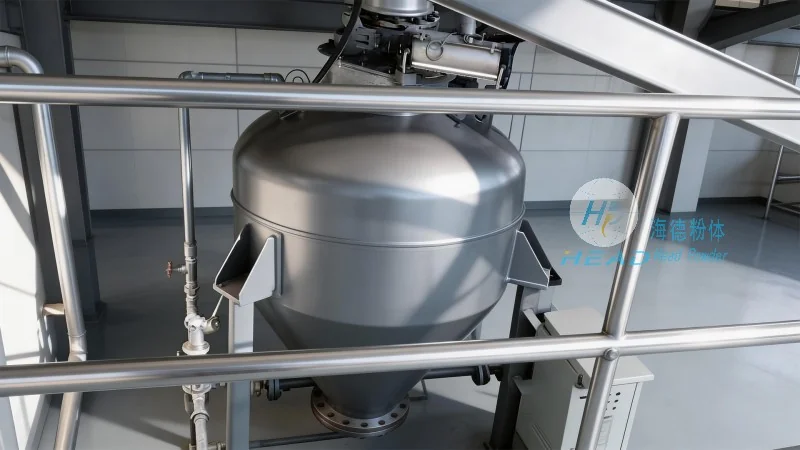
The operation process of the calcium carbonate powder pneumatic conveying line involves several sequential steps, starting from the initial preparation to the final collection. The first step is the preparation of the material, where the calcium carbonate powder is stored in a hopper or silo and prepared for feeding. Next, the air compressor is started, and the air flow is adjusted to the required pressure and volume. The material feeder is then activated, feeding the powder into the conveying pipeline. As the powder is fed, the air flow increases to maintain the suspension of the particles. The powder is then transported through the pipeline to the receiving hopper or storage tank at the destination. The system continues to operate until the material is fully transferred. Finally, the air flow is reduced, and the system is shut down in a controlled manner to prevent dust emissions and ensure safety.
There are several advantages to using a pneumatic conveying line for calcium carbonate powder. First, it is a fully enclosed system, which prevents dust emissions and maintains product purity. This is particularly important for calcium carbonate, which is often used in applications where contamination is not acceptable. Second, the system is highly efficient, with minimal material loss and low maintenance requirements. Third, it can handle a wide range of particle sizes and flow rates, making it suitable for various production scales. Fourth, the system is flexible, as it can be easily modified or expanded to accommodate changes in production needs. These advantages make pneumatic conveying an ideal solution for the transportation of calcium carbonate powder in industrial settings.
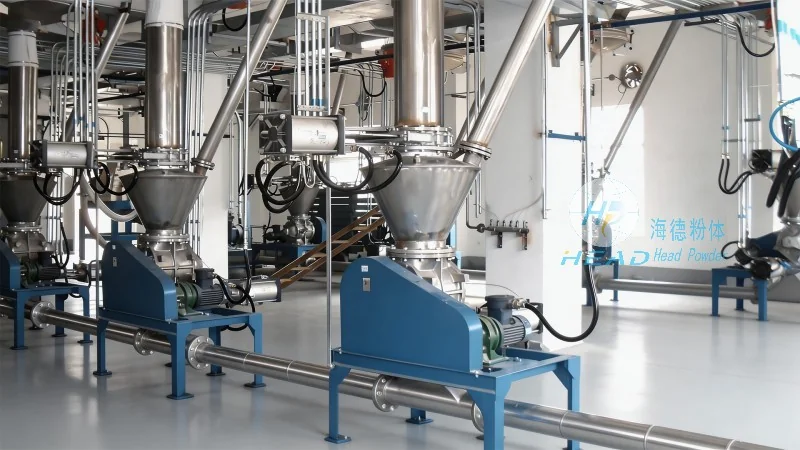
In conclusion, the operation process and working principle of a calcium carbonate powder pneumatic conveying line are critical to the efficient and safe handling of this important industrial material. The system, designed and manufactured by Shandong HeadPowder Engineering Co., Ltd. (headpowder), based in China, utilizes advanced technology to ensure reliable and high-quality material transport. By understanding the key components and operation steps, industries can optimize their material handling processes and improve overall productivity. The advantages of pneumatic conveying, including enclosed operation and minimal contamination, make it a preferred choice for calcium carbonate powder transportation.

 Shandong Headpowder Engineering Co., Ltd.
 156-6277-7102(Manager Zhang)
  0531-83386006
  Zhangqiu District, Jinan City, Shandong Province, China
telephone
WeChatconsult
top