With more than 10‑year industry experience, Shandong Headpowder delivers full‑service pneumatic‑conveying systems and blowers, undertaking nationwide turn‑key powder‑handling projects.
Understanding the operation process and working principle of a salt material pneumatic conveying line is crucial for optimizing material handling efficiency in industrial settings. This article provides a detailed overview of how such systems function, focusing on the key components, operational steps, and the technical aspects that ensure reliable and efficient transport of salt materials. The information is tailored for professionals in the food processing and bulk material handling industries, offering insights into the technology used by Shandong HeadPowder Engineering Co., Ltd., a leading manufacturer based in China.
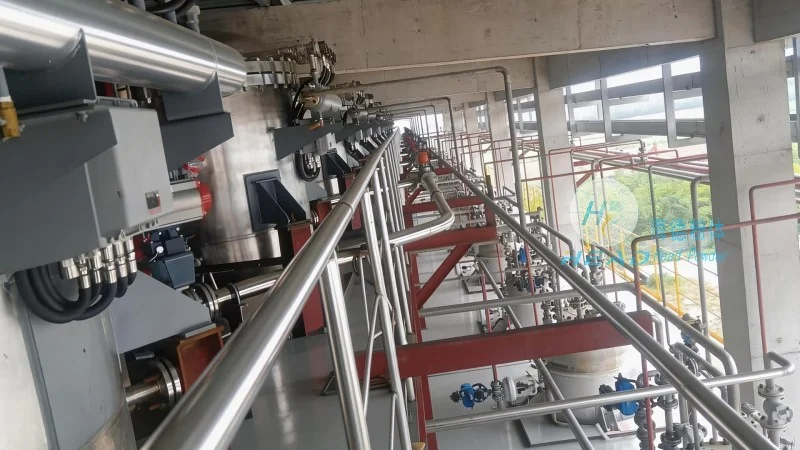
A pneumatic conveying line for salt typically consists of several essential components that work in tandem to transport the material from the source to the destination. The primary components include a hopper or feeder for material storage and feeding, a conveyor line (either positive or negative pressure system), a dust collector to manage airborne particles, and a discharge unit for the final delivery of the salt. Each component plays a vital role in maintaining the system's performance and ensuring the quality of the conveyed salt. For instance, the feeder ensures a consistent flow of salt into the system, preventing blockages or uneven material distribution. The conveyor line, which can operate under positive or negative pressure, is responsible for moving the salt through the pipeline using air or other gases. The dust collector is critical for maintaining air quality and preventing salt particles from escaping into the environment, which is particularly important for food-grade applications like salt processing.
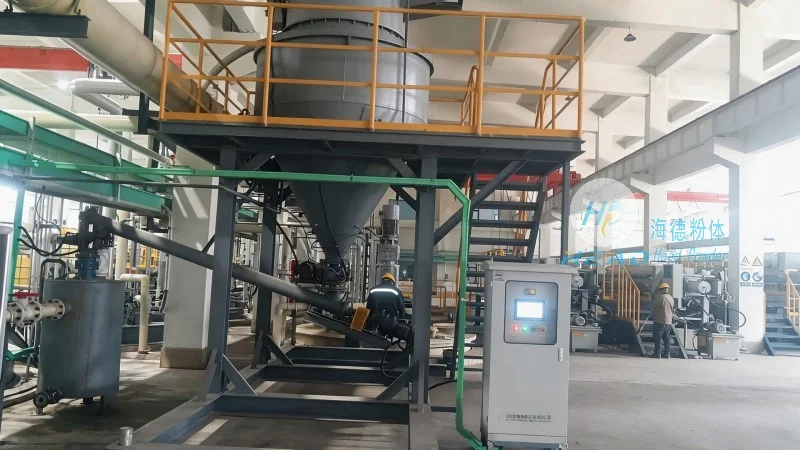
The working principle of a pneumatic conveying system for salt involves the use of air or gas to create a flow that transports the material through a pipeline. In a positive pressure system, air is blown into the conveying line, creating a pressure higher than the ambient air, which pushes the salt particles forward. The salt is suspended in the air stream, allowing it to be moved efficiently over long distances. In contrast, a negative pressure system draws air out of the line, creating a vacuum that pulls the salt particles into the pipeline. Both systems have their advantages and are chosen based on the specific requirements of the salt handling application, such as the distance to be covered, the volume of material to be transported, and the characteristics of the salt (e.g., moisture content, particle size). Shandong HeadPowder Engineering Co., Ltd. specializes in designing and manufacturing customized pneumatic conveying systems that can accommodate various salt types and operational conditions, ensuring optimal performance and reliability.
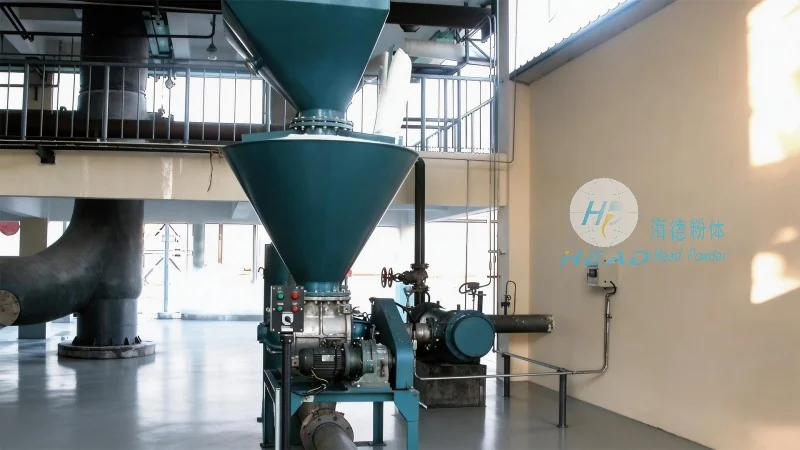
The operation process of a salt material pneumatic conveying line involves several sequential steps that ensure smooth and continuous material transport. The process typically begins with the loading of salt into the hopper or feeder. The feeder then regulates the flow of salt into the conveyor line, ensuring a consistent supply. The air or gas is then introduced into the system, either by a blower or a vacuum pump, depending on the chosen pressure system. The salt particles are then carried by the air stream through the pipeline, moving towards the discharge point. At the discharge end, the air is separated from the salt, often using a cyclone or a filter, and the clean salt is collected in a storage bin or directly to the next processing stage. The system also includes monitoring and control mechanisms to adjust the air flow, pressure, and material feed rate as needed, ensuring that the conveying process remains stable and efficient. Regular maintenance of the components, such as the feeder, conveyor line, and dust collector, is essential to prevent downtime and maintain the quality of the conveyed salt. Shandong HeadPowder Engineering Co., Ltd. provides comprehensive support for the operation and maintenance of their pneumatic conveying systems, helping clients optimize their salt handling processes and reduce operational costs.
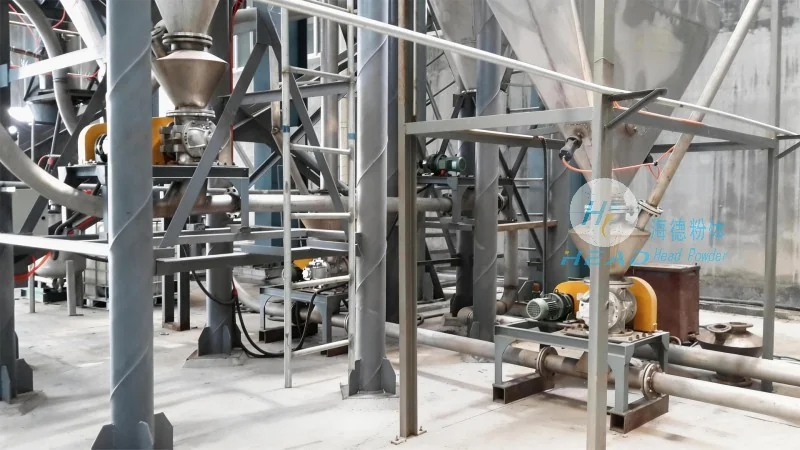
Implementing a pneumatic conveying line for salt handling offers several significant benefits that enhance operational efficiency and product quality. One of the key advantages is the ability to transport salt over long distances without the need for multiple transfer points or manual handling, which reduces the risk of contamination and improves safety. The system also minimizes material degradation, as the salt is not subjected to excessive friction or impact during transport, which is particularly important for food-grade salt applications. Additionally, pneumatic conveying systems are flexible and can be easily integrated with existing processing lines, allowing for seamless material flow from storage to processing or packaging. The automated nature of the system reduces labor costs and increases throughput, making it an economical choice for large-scale salt handling operations. Shandong HeadPowder Engineering Co., Ltd. designs their pneumatic conveying systems to maximize these benefits, ensuring that clients can achieve high levels of efficiency and product quality in their salt processing facilities.

 Shandong Headpowder Engineering Co., Ltd.
 156-6277-7102(Manager Zhang)
  0531-83386006
  Zhangqiu District, Jinan City, Shandong Province, China
telephone
WeChatconsult
top