With more than 10‑year industry experience, Shandong Headpowder delivers full‑service pneumatic‑conveying systems and blowers, undertaking nationwide turn‑key powder‑handling projects.
Shandong HeadPowder Engineering Co., Ltd., a leading manufacturer in the field, specializes in the design and production of advanced pneumatic conveying systems for melamine powder. The company, based in Shandong, China, has established itself as a trusted provider of efficient and reliable equipment tailored to the specific needs of the chemical and industrial sectors. This article delves into the operation process and working principles of such equipment, highlighting the technical aspects and practical applications.
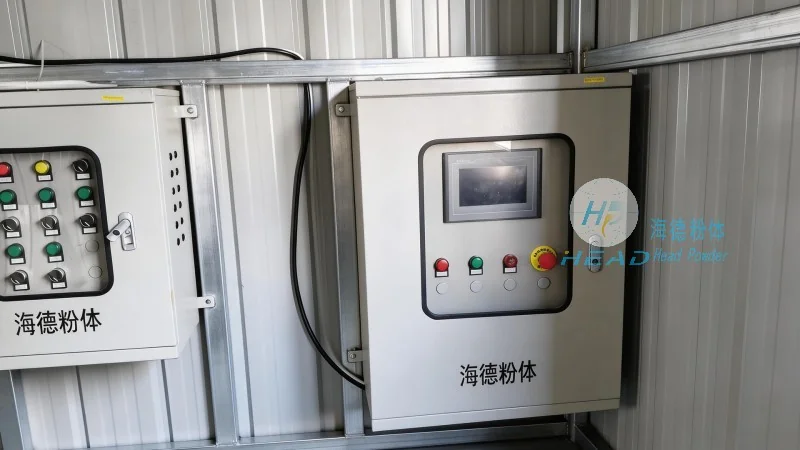
Pneumatic conveying systems are essential for transporting bulk materials like melamine powder from one location to another without the need for mechanical components such as belts or buckets. These systems utilize compressed air or gas to move the material through a pipeline, offering advantages like low maintenance, high efficiency, and the ability to handle materials that are difficult to transport by traditional methods. The core components of a typical melamine powder pneumatic conveying system include a hopper, a feeder, a conveying line, a receiver, and a dust collection system. Each component plays a crucial role in ensuring smooth and continuous operation.
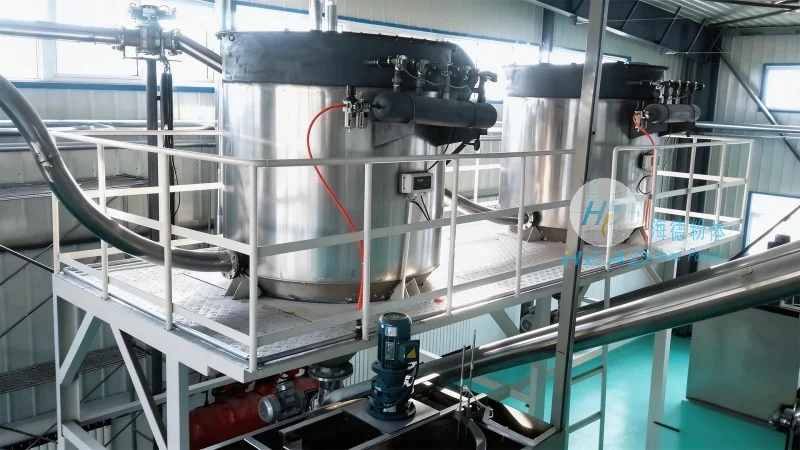
The hopper serves as the storage container for the melamine powder, providing a consistent feed to the feeder. The feeder, often a rotary valve or a screw feeder, controls the flow rate of the material into the conveying line. The conveying line, usually made of stainless steel or other corrosion-resistant materials, is designed to withstand the pressure and temperature of the conveying process. The receiver collects the delivered melamine powder and may include a discharge valve for controlled release. The dust collection system, equipped with filters and a blower, ensures that any airborne particles are captured and returned to the system, maintaining environmental compliance and product quality.
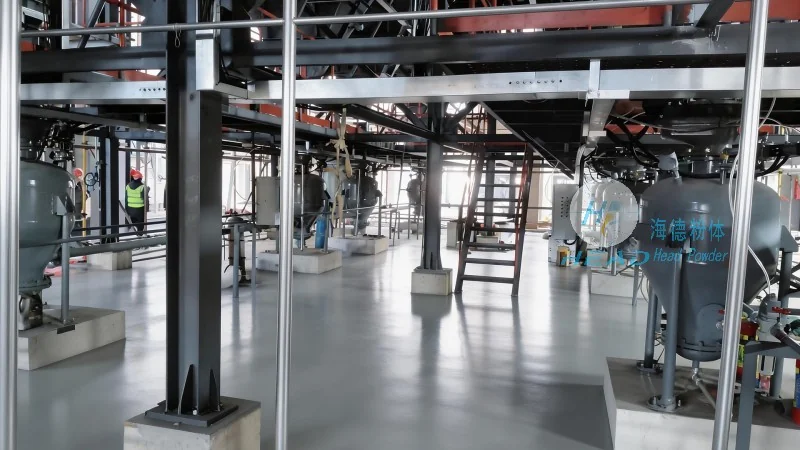
The operation of the melamine powder pneumatic conveying equipment begins with the loading of the hopper. Once the hopper is filled, the feeder starts to release the melamine powder into the conveying line. Simultaneously, a blower or compressor generates the necessary air pressure to move the material. The compressed air, mixed with the melamine powder, creates a slurry-like flow that travels through the pipeline to the receiver. As the material reaches the receiver, the air is separated from the powder, and the powder is collected in the receiver. The air, now filtered by the dust collection system, is either released or recirculated back into the system, depending on the design. This cycle repeats continuously, ensuring a steady supply of melamine powder to the destination point.
The working principle of the pneumatic conveying system is based on the principle of fluidization and drag flow. In the hopper, the melamine powder is initially at rest. When the feeder starts to discharge the powder, the air introduced into the conveying line creates a low-pressure zone that draws the powder into the line. The air flow then lifts and transports the powder particles, maintaining a uniform velocity throughout the pipeline. The drag flow mechanism ensures that the powder moves in a continuous stream, preventing segregation and ensuring consistent delivery. The system's efficiency depends on the proper balance of air pressure, flow rate, and material characteristics. Adjustments to these parameters are crucial for optimizing performance and minimizing energy consumption.
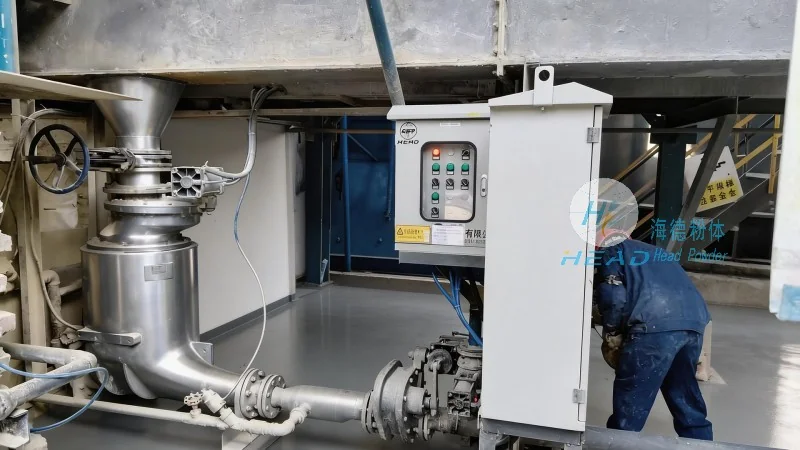
Melamine powder pneumatic conveying equipment offers several advantages over traditional conveying methods. These include reduced labor costs due to automated operation, improved product quality by minimizing exposure to contaminants, and enhanced safety by eliminating manual handling of bulk materials. The equipment is widely used in various industries, including chemical manufacturing, food processing, and pharmaceuticals, where the transport of fine powders is required. For instance, in the production of melamine-based products, such as melamine-formaldehyde resins, the pneumatic conveying system ensures that the raw material is delivered to the processing units in a controlled and efficient manner, contributing to higher production yields and lower operational costs.

 Shandong Headpowder Engineering Co., Ltd.
 156-6277-7102(Manager Zhang)
  0531-83386006
  Zhangqiu District, Jinan City, Shandong Province, China
telephone
WeChatconsult
top