Operation Process and Working Principle of Pneumatic Conveying Equipment for Metal Aluminum Powder M
Release time:2026-09-21 13:01:46
name of the company:Shandong Headpowder Engineering Co., Ltd.
telephone:156-6277-7102
contacts:Manager Zhang
HeadPowder, a leading manufacturer in the field of material handling solutions, specializes in the design, development, and production of advanced pneumatic conveying systems tailored for metal aluminum powder applications. Based in Shandong, China, the company has established itself as a reliable partner for industries requiring efficient and safe powder transport solutions. This article provides a detailed overview of the operation process and working principle of their metal aluminum powder pneumatic conveying equipment, highlighting key components, operational steps, and technical considerations.
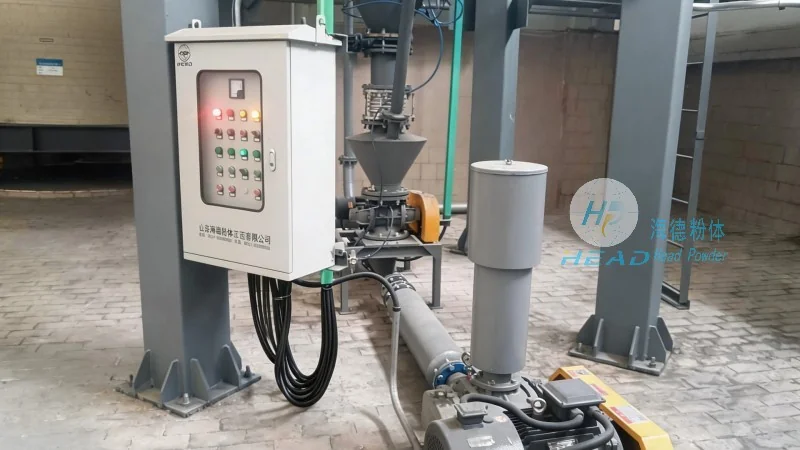
Overview of Pneumatic Conveying Systems for Metal Aluminum Powder
Pneumatic conveying equipment for metal aluminum powder is engineered to transport fine powders like aluminum through a pipeline using compressed air or other gas streams. Unlike traditional mechanical conveyors, this system eliminates the need for physical contact between the material and the conveyor components, reducing wear and minimizing the risk of contamination. The design incorporates specialized components such as feeders, pipelines, and separation units to ensure efficient and reliable material transport. HeadPowder's systems are built with precision to handle the unique properties of aluminum powder, including its low density, high reactivity, and potential for dust explosion hazards.
Key Components of the Pneumatic Conveying System
The metal aluminum powder pneumatic conveying system by HeadPowder typically consists of several critical components that work in tandem to achieve seamless material transport. These include:

- Feeder: The feeder is responsible for accurately and continuously feeding the aluminum powder into the conveying line. It may be a rotary valve, a screw feeder, or a pressure feeder, depending on the system design and the flow rate requirements. The feeder ensures a consistent material flow, preventing blockages and maintaining system efficiency.
- Conveying Pipeline: The pipeline is the main channel through which the aluminum powder and air mixture travels. It is constructed from materials resistant to corrosion and wear, such as stainless steel or specialized alloys, to withstand the abrasive nature of aluminum powder. The pipeline is designed with smooth transitions and minimal bends to reduce pressure drop and prevent material deposition.
- Compressor and Air System: A high-pressure air compressor generates the necessary airflow to move the aluminum powder particles. The air system includes filters, regulators, and moisture separators to ensure clean, dry air, which is crucial for preventing moisture-related issues with aluminum powder and maintaining system performance.
- Separation and Collection Unit: At the end of the conveying line, the separation unit separates the aluminum powder from the air stream. This may involve cyclones, filters, or baghouses, depending on the system configuration. The collected powder is then discharged into a storage or processing container, while the air is either recirculated or vented to the atmosphere.
Operation Process of the Pneumatic Conveying Equipment
The operation process of the metal aluminum powder pneumatic conveying equipment involves a series of coordinated steps to ensure efficient material transport. The process typically begins with the preparation of the system, followed by the start-up sequence and continuous operation. Here is a step-by-step breakdown:
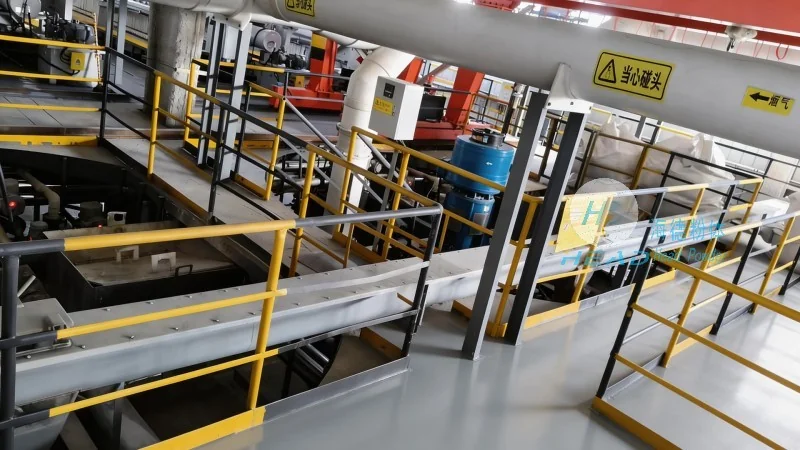
- System Preparation: Before initiating the conveying process, the system is prepared by checking all components for proper operation. This includes verifying the integrity of the feeder, ensuring the pipeline is clear of obstructions, and confirming that the air compressor is ready to provide the required pressure and flow rate. The aluminum powder is also prepared and stored in a suitable container, ready for feeding.
- Start-up Sequence: The start-up sequence involves activating the air compressor and the feeder. The compressor builds up pressure, and the feeder begins to introduce the aluminum powder into the pipeline. The air stream then carries the powder particles through the conveying line, creating a suspension of powder and air. This initial phase is critical to ensure the system operates smoothly and without blockages.
- Continuous Operation: Once the start-up sequence is complete, the system enters the continuous operation phase. The feeder maintains a steady flow of aluminum powder, and the air compressor continuously supplies the necessary airflow. The powder particles are transported through the pipeline at a controlled velocity, ensuring efficient transport without excessive pressure drop or particle degradation. The separation unit at the end of the line continuously collects the powder, while the air is filtered and either recirculated or vented.
- Shutdown Procedure: When the conveying operation is complete, a controlled shutdown procedure is followed. The feeder is stopped first to prevent any further material from entering the pipeline. The air compressor is then turned off, allowing the pressure in the system to dissipate gradually. The pipeline is depressurized, and any remaining powder is cleared from the system to prevent clogging or contamination. The separation unit is also shut down, and the collected powder is transferred to the storage container.
Working Principle of the Pneumatic Conveying System
The working principle of the metal aluminum powder pneumatic conveying system is based on the fundamental concept of fluidization and suspension of solid particles in a gas stream. The system utilizes the kinetic energy of the compressed air to lift and transport the aluminum powder particles through the pipeline. The key principles involved include:
- Fluidization: As the compressed air flows through the pipeline, it creates a fluidized state within the aluminum powder bed. The air bubbles through the powder, reducing the particle-particle friction and allowing the powder to behave like a fluid. This fluidization enables the powder to be suspended and transported by the air stream.
- Suspension and Transport: The suspended aluminum powder particles are carried along the pipeline by the air flow. The velocity of the air must be sufficient to overcome the gravitational force acting on the particles and maintain their suspension. The system is designed to maintain a stable suspension, preventing particle settling or deposition in the pipeline.
- Pressure Drop Management: The pressure drop along the pipeline is a critical factor in the system's performance. It is influenced by the flow rate of the air, the size and density of the aluminum powder particles, and the length and diameter of the pipeline. Proper design of the system ensures that the pressure drop remains within acceptable limits, minimizing energy consumption and preventing excessive wear on the components.
- Separation Mechanism: At the end of the conveying line, the separation unit operates on the principle of centrifugal force. The air-powder mixture enters the cyclone or filter, where the heavier aluminum powder particles are forced to the wall due to centrifugal acceleration, while the lighter air stream is directed to the outlet. This separation process efficiently collects the powder and returns it to the storage container, while the air is cleaned and either recirculated or vented.
Technical Considerations and Safety Measures
When operating pneumatic conveying equipment for metal aluminum powder, several technical considerations and safety measures are essential to ensure optimal performance and prevent hazards. HeadPowder's systems are designed with these factors in mind:

 Shandong Headpowder Engineering Co., Ltd.
 156-6277-7102(Manager Zhang)
  0531-83386006
  Zhangqiu District, Jinan City, Shandong Province, China