With more than 10‑year industry experience, Shandong Headpowder delivers full‑service pneumatic‑conveying systems and blowers, undertaking nationwide turn‑key powder‑handling projects.
Intelligent material pneumatic conveying systems represent a sophisticated approach to material handling, combining advanced technology with efficient operation to meet the demands of modern industrial applications. These systems are designed to transport bulk materials through a pipeline using a stream of air or other gas, offering a flexible and reliable solution for various industries including food processing, pharmaceuticals, chemicals, and more. Leading manufacturers such as Shandong HeadPowder Engineering Co., Ltd. specialize in developing and implementing these advanced systems to enhance operational efficiency.
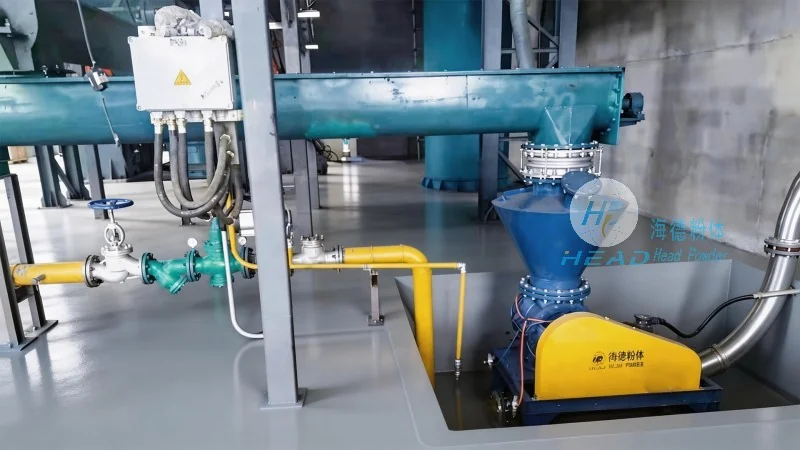
The operation of a pneumatic conveying system involves several critical components that work in concert to ensure smooth material transport. The primary components include the material feed hopper, the conveying line (pipeline), the air or gas source (blower or compressor), and the discharge equipment. The feed hopper is responsible for storing and feeding the material into the system, while the conveying line provides the path for the material to travel. The air source generates the necessary pressure or vacuum to move the material through the pipeline. Finally, the discharge equipment collects the material at the end of the conveying line.
The working principle of a pneumatic conveying system is based on the principle of fluidization and suspension. When air is introduced into the conveying line at a sufficient velocity, it creates a flow that lifts and transports the material particles. This process can be categorized into two main types: dilute phase and dense phase conveying. Dilute phase conveying operates at higher air velocities, typically moving material in a suspended state, while dense phase conveying uses lower air velocities to move material in a more compacted form, often with higher material loading rates.
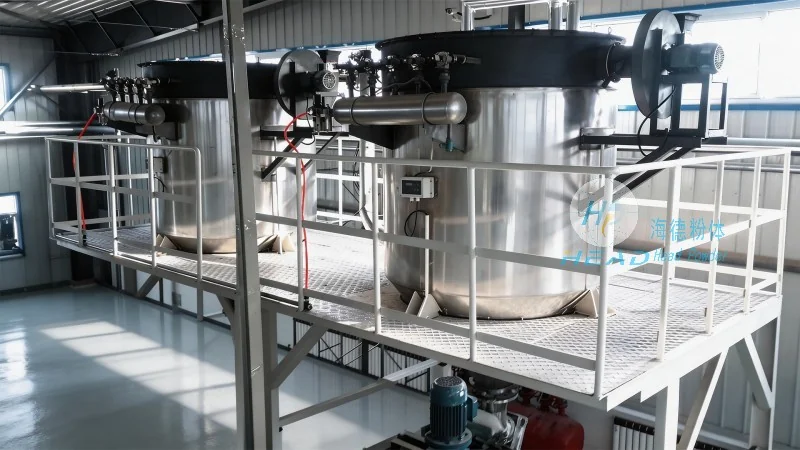
The operation process of an intelligent material pneumatic conveying system begins with the loading of material into the feed hopper. The system then starts the air source, which generates the required airflow to initiate material transport. As the material is fed into the conveying line, it is carried by the air stream to the discharge point. The intelligent features of these systems often include real-time monitoring of pressure, flow, and material level, allowing for automated control and optimization of the conveying process. This automation ensures consistent performance, reduces downtime, and enhances overall efficiency.
Intelligent material pneumatic conveying systems offer numerous advantages over traditional material handling methods. These include improved safety by eliminating the need for manual handling of bulk materials, enhanced hygiene in industries such as food and pharmaceuticals, and increased flexibility in system design to accommodate various material types and process requirements. Additionally, these systems can be integrated with other automation technologies, providing a comprehensive solution for material handling needs.
Intelligent pneumatic conveying systems are widely used across multiple industries due to their versatility and efficiency. In the food industry, they are used to transport ingredients like flour, sugar, and spices with minimal contamination and loss. In the pharmaceutical sector, they ensure the safe and sterile handling of raw materials and finished products. The chemical industry utilizes these systems for transporting powders and granules, while the mining and construction industries benefit from their ability to handle abrasive and heavy materials. The adaptability of these systems makes them suitable for a wide range of applications, from small-scale operations to large-scale industrial processes.
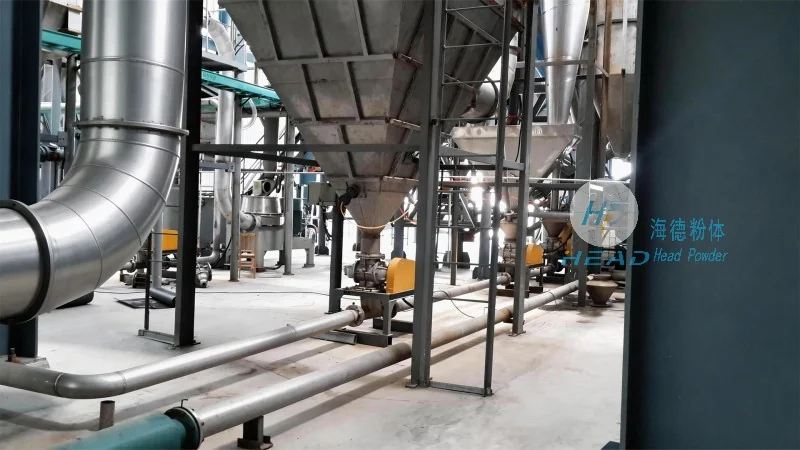
Proper maintenance is crucial for the reliable operation of intelligent material pneumatic conveying systems. Regular inspection of components such as the air source, conveying line, and discharge equipment is essential to prevent issues like clogging or pressure drops. The intelligent monitoring features of these systems can alert operators to potential problems, allowing for timely maintenance and reducing the risk of system failure. Companies like Shandong HeadPowder Engineering Co., Ltd. provide comprehensive maintenance services and high-quality components to ensure long-term performance and durability.
Intelligent material pneumatic conveying systems represent a significant advancement in material handling technology, offering efficient, safe, and flexible solutions for various industrial applications. By understanding the operation process and working principles of these systems, industries can optimize their material transport processes, improve productivity, and enhance overall operational efficiency. With the expertise of companies like Shandong HeadPowder Engineering Co., Ltd., businesses can implement and maintain effective pneumatic conveying systems tailored to their specific needs.

 Shandong Headpowder Engineering Co., Ltd.
 156-6277-7102(Manager Zhang)
  0531-83386006
  Zhangqiu District, Jinan City, Shandong Province, China
telephone
WeChatconsult
top