With more than 10‑year industry experience, Shandong Headpowder delivers full‑service pneumatic‑conveying systems and blowers, undertaking nationwide turn‑key powder‑handling projects.
For industrial applications involving synthetic rubber, efficient material handling is crucial to maintain production efficiency and ensure product quality. The synthetic rubber material conveying system, as a specialized solution, plays a vital role in transporting raw materials or finished products within manufacturing facilities. This article will explore the operation process and working principle of such systems, providing insights into how they function to support industrial operations.
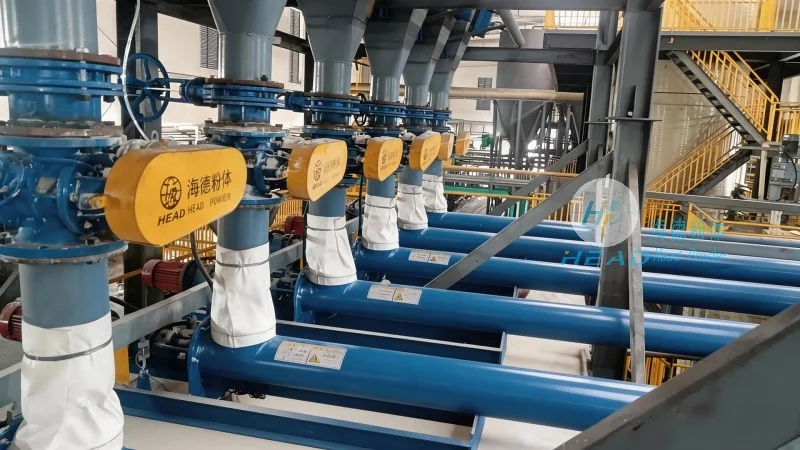
The synthetic rubber material conveying system typically consists of several core components that work in tandem to achieve seamless material transport. These components include feeders, conveyors, control systems, and material handling accessories. Each component is designed to handle the unique properties of synthetic rubber, such as its flexibility, elasticity, and potential for dust generation. The feeders are responsible for uniformly distributing the material into the conveyor system, ensuring consistent flow rates. Conveyors, which may include belt conveyors, screw conveyors, or pneumatic conveyors, are selected based on the specific characteristics of the synthetic rubber and the operational requirements of the facility. Control systems, often integrated with sensors and automation technology, monitor the conveying process, adjusting parameters as needed to maintain optimal performance. Material handling accessories, like hoppers, chutes, and transfer points, facilitate the smooth transition of material between different sections of the system.
The operation process of a synthetic rubber material conveying system involves several sequential steps that ensure the material is transported safely and efficiently from the source to the destination. The first step is material loading, where raw synthetic rubber or processed rubber products are fed into the system. This is typically done using a hopper or a loading device that can handle the bulk material. Once loaded, the material is transferred to the conveyor section. The conveyor system then moves the material through the production line, possibly passing through processing stages like mixing, molding, or packaging. During this transport, the system may incorporate features such as temperature control or dust suppression to maintain material integrity and environmental standards. The final step is material unloading, where the processed rubber products are discharged from the system into a storage or packaging area. Throughout the operation, the control system continuously monitors parameters like speed, pressure, and material level to prevent blockages or overloading, ensuring the system operates within safe and efficient limits.
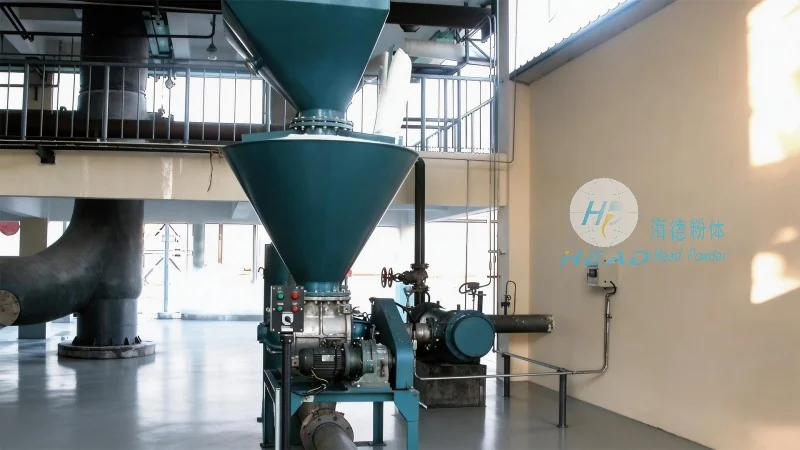
The working principle of synthetic rubber material conveying systems is based on mechanical or pneumatic forces that move the material along a designated path. For mechanical conveyors, such as belt or screw conveyors, the material is moved by the rotation of a driving mechanism. The belt conveyor uses a continuous belt that moves over rollers, carrying the material from the inlet to the outlet. The screw conveyor employs a rotating screw to push the material forward, which is particularly effective for handling granular or powdered synthetic rubber. Pneumatic conveyors, on the other hand, use compressed air to transport the material through a pipeline. The material is suspended in the air stream and carried to the destination, making it suitable for applications where dust control is critical. The control system plays a key role in regulating the conveying speed and pressure, ensuring that the material is transported at the optimal rate without causing damage or degradation. Sensors are often integrated into the system to detect blockages or changes in material flow, triggering alarms or adjustments to maintain smooth operation. The entire process is designed to be automated, minimizing human intervention and maximizing efficiency in material handling.
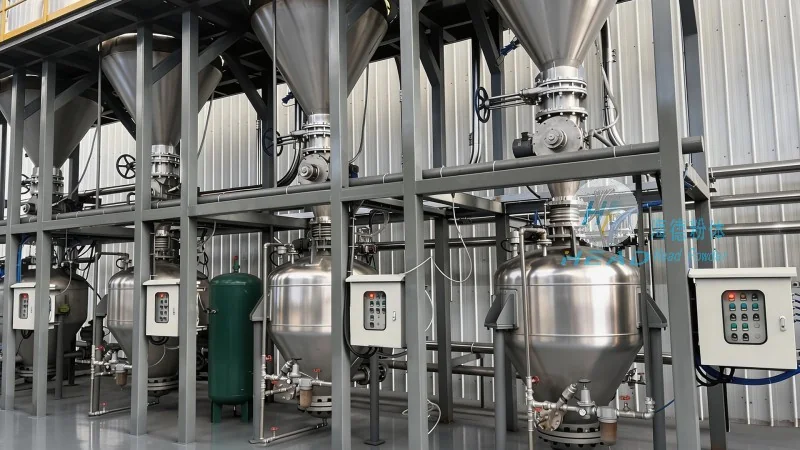
Implementing a synthetic rubber material conveying system offers several benefits that enhance industrial operations. Firstly, it improves production efficiency by reducing the time and labor required for manual material handling. The automated system can operate continuously, ensuring a steady flow of materials without interruptions. Secondly, it enhances product quality by maintaining consistent material handling conditions, such as temperature and moisture control, which are critical for synthetic rubber processing. The system also minimizes material loss and contamination, as it uses enclosed or sealed conveyors that prevent dust and debris from entering the process. Additionally, the integration of control systems allows for real-time monitoring and data collection, enabling better process optimization and troubleshooting. For facilities dealing with large volumes of synthetic rubber, the system can significantly reduce operational costs by minimizing downtime and improving resource utilization.
Synthetic rubber material conveying systems are widely used in various stages of synthetic rubber manufacturing. In the raw material handling stage, these systems transport natural or synthetic rubber pellets from storage to processing equipment, ensuring a consistent supply of material for mixing and compounding. During the compounding process, the system may convey additives, such as carbon black or plasticizers, to the mixing equipment, maintaining precise ratios for optimal product properties. In the molding or extrusion stage, the conveying system transports the compounded rubber to the molding machines, where it is shaped into final products like tires, seals, or gaskets. The system also handles finished products, transporting them from the molding line to packaging or storage areas. In each of these applications, the synthetic rubber material conveying system ensures that materials are handled safely and efficiently, supporting the overall production workflow and meeting quality standards.

 Shandong Headpowder Engineering Co., Ltd.
 156-6277-7102(Manager Zhang)
  0531-83386006
  Zhangqiu District, Jinan City, Shandong Province, China
telephone
WeChatconsult
top