With more than 10‑year industry experience, Shandong Headpowder delivers full‑service pneumatic‑conveying systems and blowers, undertaking nationwide turn‑key powder‑handling projects.
For industrial applications involving the transport of lithium iron carbonate, an efficient and reliable material handling system is crucial. This article provides a detailed overview of the operation process and working principle of a specialized system designed for this purpose, highlighting key components and operational dynamics.
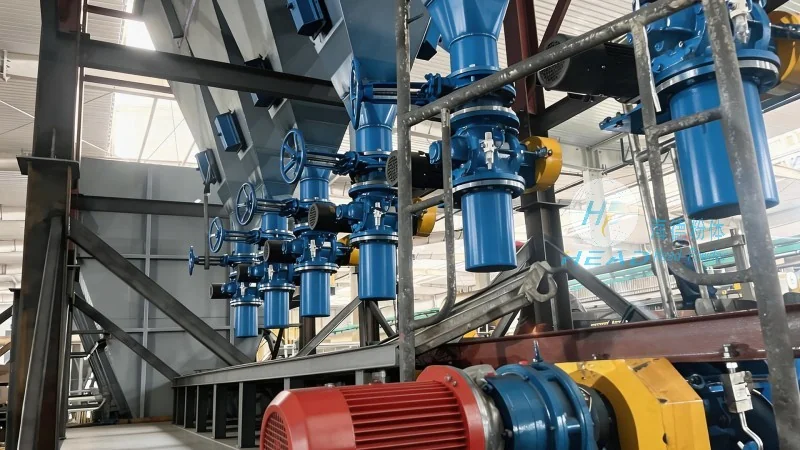
Lithium iron carbonate (LiFeCO₃) is a critical raw material in the production of lithium-ion batteries, known for its high energy density and environmental friendliness. The efficient handling of this material from storage to processing stages is essential to maintain production efficiency and product quality. The system discussed here is engineered to meet the demanding requirements of modern battery manufacturing facilities, ensuring safe, precise, and continuous material transport.
The lithium iron carbonate material handling system comprises several integrated components that work in tandem to achieve seamless operation. These include bulk material feeders, conveyor systems, storage silos, and automated control units. Each component is designed to handle the specific characteristics of LiFeCO₃, such as its fine particle size and potential dust generation, ensuring minimal loss and contamination during transport.
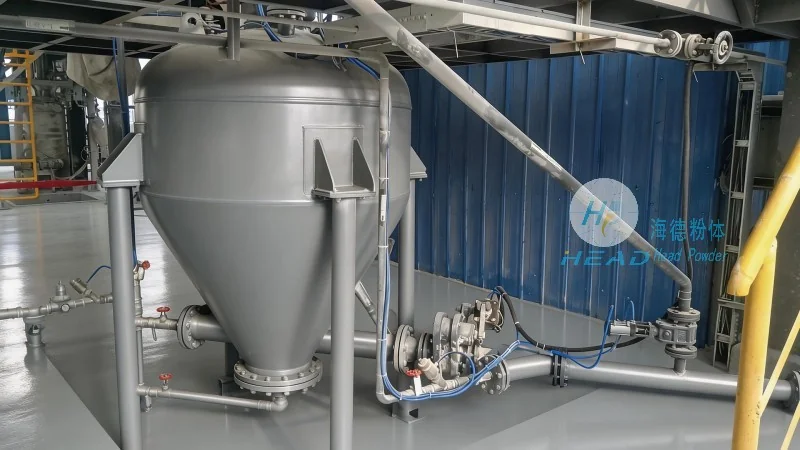
The operation of the system follows a systematic sequence of steps, starting from material intake to final discharge. The process begins with the bulk loading of lithium iron carbonate into the primary storage silo. A feeder then regulates the flow of material from the silo into the conveyor system, which transports the material to the processing or packaging area. The system incorporates sensors and control mechanisms to monitor flow rates, ensuring consistent and controlled material movement. At each stage, the equipment is designed to minimize material degradation and prevent blockages, maintaining the integrity of the lithium iron carbonate.
The working principle of the material handling system is based on mechanical and pneumatic technologies tailored for handling fine powders. The feeder uses a screw or rotary mechanism to evenly distribute material, while the conveyor system employs belt or bucket elevators to move material vertically and horizontally. Automated control systems, including PLC (Programmable Logic Controller) units, manage the entire process, adjusting parameters based on real-time data from sensors. This integration ensures optimal performance, energy efficiency, and safety compliance throughout operation.
Implementing this material handling system offers several advantages for manufacturers of lithium iron carbonate-based products. The system enhances production throughput by reducing downtime caused by material handling issues. It also improves product quality by minimizing dust and particle size variation. Additionally, the automated control features contribute to operational safety and regulatory compliance, reducing the risk of accidents and environmental contamination.
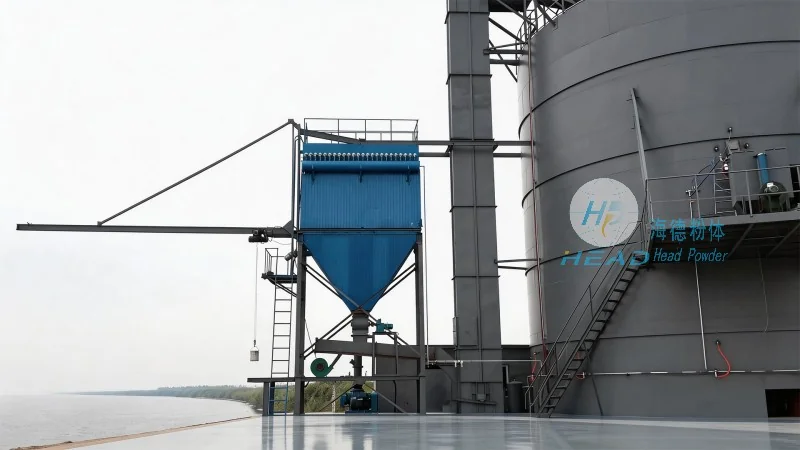
HeadPowder, a leading provider of engineering solutions for material handling and processing, specializes in designing and manufacturing systems tailored to the needs of the battery and chemical industries. With a focus on innovation and quality, the company has developed expertise in handling sensitive materials like lithium iron carbonate. HeadPowder's systems are engineered to meet international standards and are supported by comprehensive after-sales services, ensuring long-term reliability and performance.
The operation process and working principle of the lithium iron carbonate material handling system, as described, represent a sophisticated solution for efficient material transport in lithium-ion battery production. By integrating advanced components and control technologies, the system ensures consistent performance, product quality, and operational safety. For companies seeking to optimize their material handling processes, HeadPowder's solutions offer a reliable and effective approach to meeting industry demands.

 Shandong Headpowder Engineering Co., Ltd.
 156-6277-7102(Manager Zhang)
  0531-83386006
  Zhangqiu District, Jinan City, Shandong Province, China
telephone
WeChatconsult
top