With more than 10‑year industry experience, Shandong Headpowder delivers full‑service pneumatic‑conveying systems and blowers, undertaking nationwide turn‑key powder‑handling projects.
Understanding the operation process and working principle of bamboo powder material handling is crucial for optimizing industrial efficiency and ensuring safe, reliable material transport. This article provides a detailed overview of the key components, processes, and mechanisms involved in handling bamboo powder, with a focus on the technical aspects that contribute to effective material management.
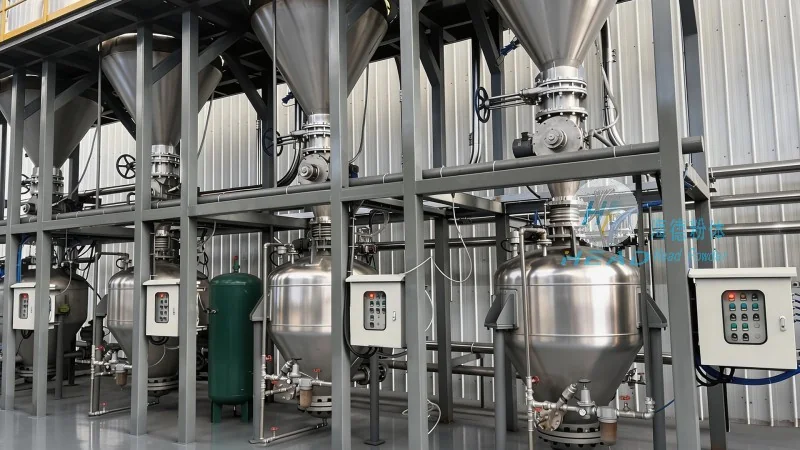
HeadPowder, a leading provider in the field, specializes in engineering solutions tailored to the unique challenges of bamboo powder handling. Based in Shandong, China, the company leverages advanced technology and industry expertise to deliver robust systems that meet the demands of various industrial applications. The following sections delve into the step-by-step operation and the underlying principles that govern the material handling process.
The material handling system for bamboo powder typically consists of several critical components that work in tandem to ensure smooth operation. These include feeders, conveyors, storage silos, and control systems. Each component plays a vital role in the overall process, from initial material intake to final discharge. For instance, feeders are responsible for uniformly distributing the bamboo powder into the conveyor system, preventing blockages and ensuring consistent flow. Conveyors, often in the form of screw conveyors or pneumatic systems, transport the powder through the system, while storage silos provide temporary storage to regulate the flow and prevent overloading.
The operation process of bamboo powder material handling can be broken down into several sequential steps, each designed to ensure efficient and safe material movement. The first step involves the intake of raw bamboo powder, which is typically collected from processing facilities or storage areas. The powder is then fed into a hopper or feeder, where it is prepared for transport. The feeder ensures a steady and controlled flow of material into the conveyor system, minimizing the risk of overloading or uneven distribution.
Once the powder enters the conveyor, it is transported to the next stage of the process. In many systems, this involves a series of conveyors or transfer points that move the material through the facility. The conveyor system may include inclines or declines, which require careful design to maintain the material's flow without causing segregation or degradation. For example, a screw conveyor uses rotating screws to push the powder forward, while a pneumatic conveyor uses air pressure to transport the material through pipes.
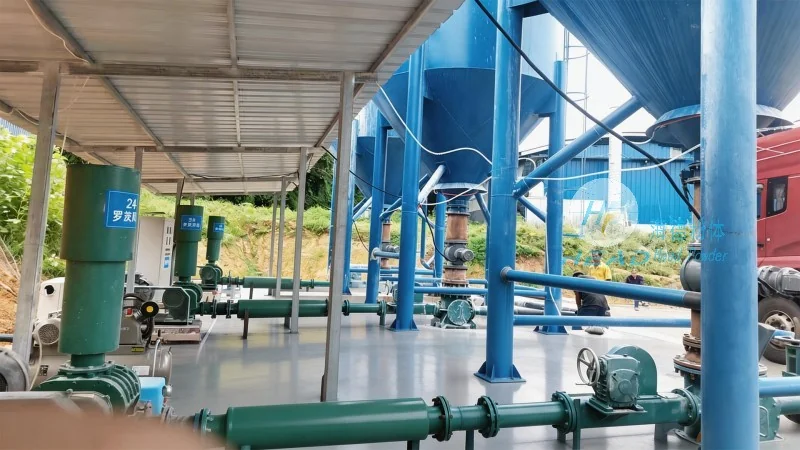
After the material is conveyed to the storage or processing area, it may be transferred to a storage silo or directly to a processing unit. The storage silo serves as a buffer, allowing for fluctuations in production rates and ensuring a continuous supply of material to downstream processes. The control system monitors the entire process, adjusting feeder speeds, conveyor speeds, and other parameters to maintain optimal performance. This closed-loop control ensures that the system operates efficiently and safely, minimizing downtime and maximizing productivity.
The working principles of bamboo powder material handling systems are rooted in fundamental engineering concepts, such as fluid dynamics, mechanical motion, and material properties. The system relies on the principles of gravity and mechanical force to move the powder through the system. For example, screw conveyors use the rotation of screws to create a helical path, which propels the powder forward. The pitch and speed of the screws are carefully selected to match the material's flow characteristics, ensuring smooth and consistent transport.
Pneumatic conveying systems operate on the principle of air pressure. By creating a pressure differential between the intake and discharge points, the system uses air to transport the powder through a network of pipes. This method is particularly effective for handling fine powders like bamboo powder, as it minimizes material degradation and reduces the risk of blockages. The system also incorporates filters and cyclones to separate the powder from the air, ensuring that the material is recovered efficiently and the air is cleaned before release.
Another key principle is the prevention of material segregation. Bamboo powder, like many other fine powders, can segregate based on particle size, density, or moisture content. The design of the system, including the feeder and conveyor, is optimized to minimize segregation and maintain a uniform mixture. For instance, the use of a rotary valve or a vibratory feeder can help prevent segregation by ensuring consistent material flow and preventing the buildup of larger particles at the bottom of the hopper.
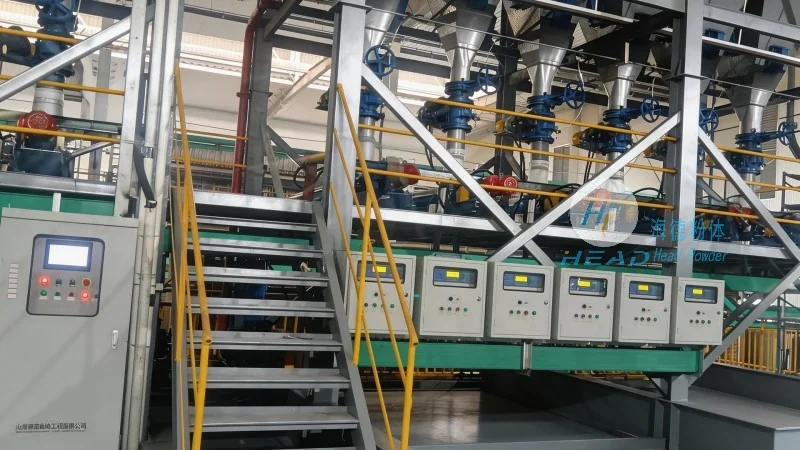
Optimizing the performance of bamboo powder material handling systems involves a combination of proper design, regular maintenance, and effective control strategies. Regular maintenance is essential to ensure that all components are functioning correctly and to prevent wear and tear that could lead to system failures. This includes checking conveyor belts for wear, inspecting screws for damage, and cleaning filters and cyclones to maintain air quality.
Control strategies play a critical role in optimizing performance. Modern systems often use sensors and automation to monitor key parameters, such as material flow rate, pressure, and temperature. These sensors provide real-time data that can be used to adjust system settings and prevent issues before they become major problems. For example, if the flow rate drops below a certain threshold, the control system can increase the feeder speed to maintain the desired flow.
Safety is another critical aspect of bamboo powder material handling. The fine nature of the powder can create dust hazards, which can lead to respiratory issues or fires if not properly managed. The system incorporates dust collection and explosion-proof designs to mitigate these risks. Additionally, proper ventilation and grounding are essential to prevent the accumulation of static electricity, which can cause sparks and ignite dust clouds.
In conclusion, the operation process and working principle of bamboo powder material handling are complex but essential for efficient industrial operations. By understanding the key components, step-by-step processes, and underlying principles, industries can design and maintain systems that are safe, reliable, and productive. HeadPowder, with its expertise and advanced solutions, continues to play a vital role in providing effective material handling solutions for bamboo powder and other fine materials. The company's commitment to quality and innovation ensures that its systems meet the evolving needs of the industry, contributing to improved efficiency and sustainability in material management.

 Shandong Headpowder Engineering Co., Ltd.
 156-6277-7102(Manager Zhang)
  0531-83386006
  Zhangqiu District, Jinan City, Shandong Province, China
telephone
WeChatconsult
top