With more than 10‑year industry experience, Shandong Headpowder delivers full‑service pneumatic‑conveying systems and blowers, undertaking nationwide turn‑key powder‑handling projects.
At Shandong HeadPowder Engineering Co., Ltd., we specialize in the design, manufacturing, and implementation of efficient fly ash material conveying systems. Our expertise lies in providing reliable solutions that ensure smooth and safe transportation of fly ash, a byproduct commonly generated in power plants and industrial processes. The following sections detail the operation process and working principles of these systems, highlighting key components and their functions.
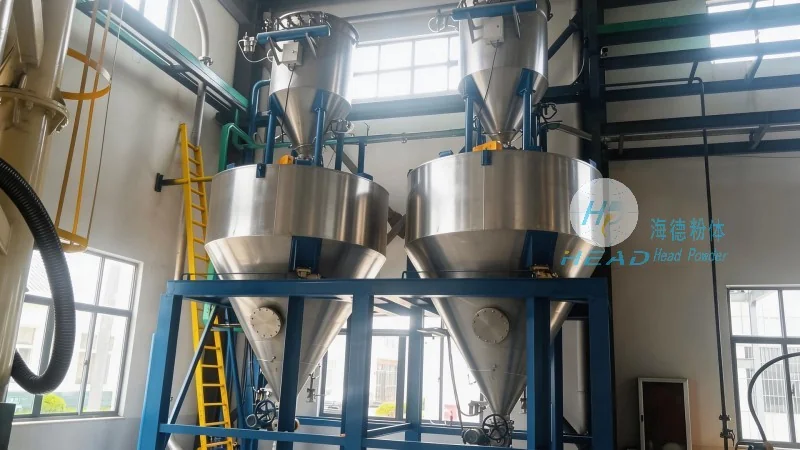
Modern fly ash conveying systems typically consist of several critical components that work in tandem to achieve effective material transport. These include feed hoppers, conveyor belts or screw conveyors, dust collection systems, and control panels. Each component plays a vital role in maintaining the integrity of the material and ensuring operational efficiency. The feed hopper serves as the initial storage and feeding unit, regulating the flow rate of fly ash into the system to prevent overloading or blockages. The conveyor mechanism, whether a belt or screw type, is the core of the transport process, responsible for moving the material from the hopper to the destination. The dust collection system is integrated to capture and filter airborne particles, ensuring compliance with environmental standards and maintaining a clean working environment. Finally, the control panel allows operators to monitor and adjust the system parameters, such as speed, pressure, and flow rate, to optimize performance.
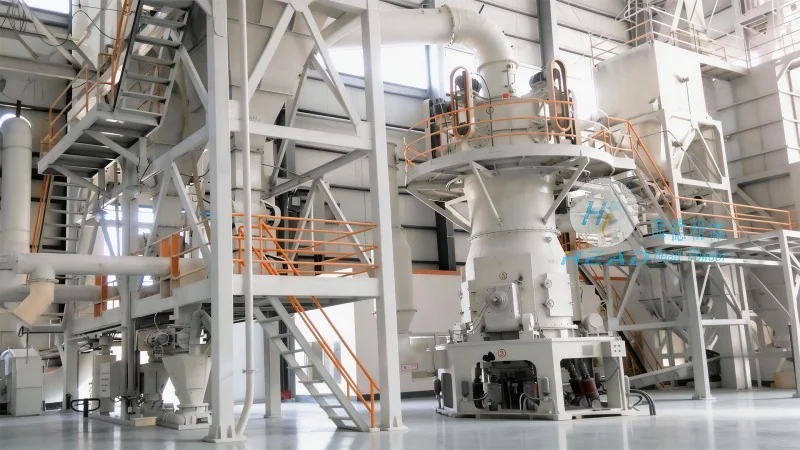
The operation process of a fly ash conveying system begins with the material being fed into the system through a hopper. The hopper is designed with a sloped bottom and a discharge valve to control the flow rate, ensuring a consistent supply of fly ash to the conveyor. Once the material enters the hopper, it is transferred to the conveyor mechanism. In a belt conveyor system, the motor drives the pulley, which rotates the belt, carrying the fly ash along its path. The belt is typically made of durable materials, such as rubber or PVC, to withstand the abrasive nature of fly ash. In a screw conveyor system, a rotating screw pushes the material forward through a cylindrical tube, using the principle of screw propulsion to move the material efficiently. The conveyor transports the fly ash from the source, such as a boiler or a storage silo, to the destination, which could be a landfill, a cement plant, or a recycling facility. Throughout the process, sensors are used to monitor the system's performance, detecting any abnormalities like blockages or excessive pressure, and triggering alarms or automatic shutdowns if necessary. This ensures the system operates safely and efficiently, minimizing downtime and maintenance costs.
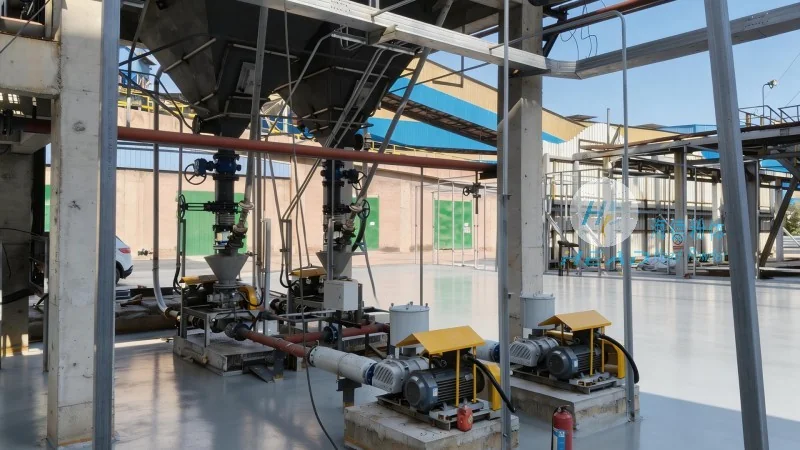
The working principles of fly ash conveying systems are rooted in mechanical engineering and material handling technology. The primary principle involves the transfer of mechanical energy to move the material through the system. For belt conveyors, the motor converts electrical energy into rotational energy, which is then transferred to the pulley system, driving the belt. The belt's friction with the material allows it to be pulled along the conveyor path. In screw conveyors, the motor drives the screw shaft, which rotates and pushes the material forward due to the helical design of the screw. This mechanism is particularly effective for handling dry, fine materials like fly ash, as it can maintain a consistent flow without the need for additional lubrication. Additionally, the systems incorporate dust suppression techniques, such as water sprays or enclosed ducts, to minimize the release of particulate matter into the air. This not only improves air quality but also protects the equipment from corrosion and wear caused by dust exposure. The integration of these principles ensures that the fly ash conveying process is both efficient and environmentally friendly, aligning with modern industrial standards.
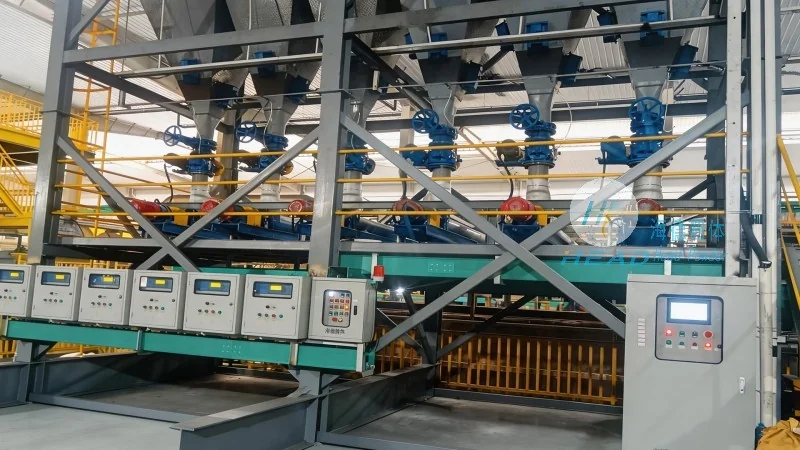
Shandong HeadPowder Engineering Co., Ltd.'s fly ash conveying systems offer several advantages that make them ideal for various industrial applications. These systems are designed to handle high volumes of fly ash, with capacities ranging from several tons per hour to hundreds of tons per hour, depending on the specific requirements of the project. The modular design allows for easy installation and customization, enabling the system to adapt to different site conditions and operational needs. Additionally, the systems are equipped with advanced control systems that provide real-time monitoring and data analysis, helping operators optimize performance and reduce energy consumption. The durability of the components, such as the conveyor belts and screw mechanisms, ensures long-term reliability, minimizing maintenance and replacement costs. These advantages make our systems suitable for a wide range of industries, including power generation, cement production, and waste management, where efficient fly ash handling is critical to operational success.

 Shandong Headpowder Engineering Co., Ltd.
 156-6277-7102(Manager Zhang)
  0531-83386006
  Zhangqiu District, Jinan City, Shandong Province, China
telephone
WeChatconsult
top