With more than 10‑year industry experience, Shandong Headpowder delivers full‑service pneumatic‑conveying systems and blowers, undertaking nationwide turn‑key powder‑handling projects.
PTA (Polyethylene Terephthalate Acid) powder conveying machines are critical equipment in the chemical and polymer industries, designed to efficiently transport PTA powder from storage to processing units. These machines are engineered to handle the unique properties of PTA powder, including its fine particle size and potential for static electricity, ensuring safe and reliable material handling. The operation and working principles of such machines are essential for optimizing production efficiency and maintaining product quality.
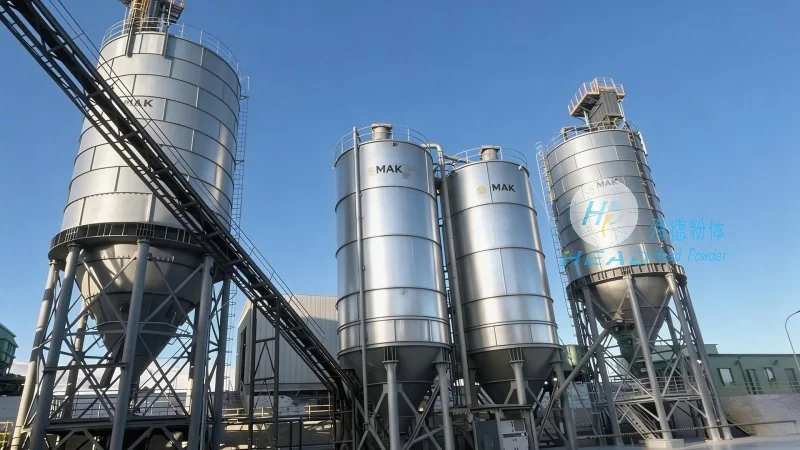
The PTA powder conveying system typically consists of several key components that work in tandem to ensure smooth operation. These include a hopper for material storage, a feeder to control the flow rate, a conveyor mechanism (such as a screw or pneumatic system), and a control panel for monitoring and adjusting the process. Each component plays a vital role in maintaining the integrity of the PTA powder and preventing issues like clogging or material degradation.
The working principle of PTA powder conveying machines is based on the fundamental principles of material transport. For mechanical conveying systems, a screw conveyor (also known as an auger) is the primary mechanism. The screw, which is typically made of stainless steel or other corrosion-resistant materials, rotates inside a cylindrical tube. As the screw rotates, it pushes the PTA powder forward along the tube. The pitch and diameter of the screw are carefully selected to match the flow characteristics of PTA powder, ensuring that the powder moves without clogging or excessive pressure buildup. The hopper at the inlet is designed with a conical or rectangular shape to facilitate uniform material flow, while the discharge end is equipped with a valve or outlet to control the release of the powder into the next stage of the process.
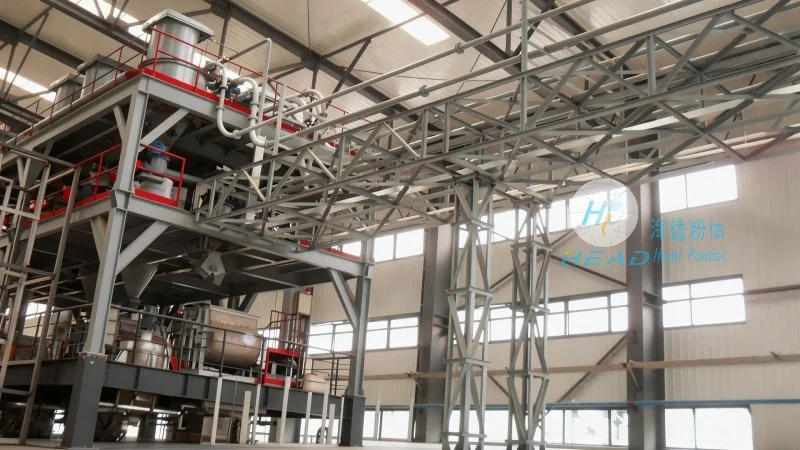
In pneumatic conveying systems, the principle involves using compressed air to create a pressure differential that propels the PTA powder through a pipeline. This method is often categorized into dilute phase and dense phase conveying. Dilute phase conveying uses low air velocity and high air-to-powder ratios, suitable for long-distance transport. Dense phase conveying, on the other hand, uses higher air velocity and lower ratios, which is more effective for short distances and when handling fine powders that are prone to segregation. The system includes a blower or compressor to generate the necessary air pressure, a filter to remove any particulate matter from the air, and a receiver tank at the discharge end to collect the powder.
The operation process of PTA powder conveying machines begins with the preparation of the system. This involves checking the hopper for any residual material, ensuring the feeder is properly calibrated, and verifying that the conveyor mechanism is in good working condition. The first step is loading the PTA powder into the hopper. The feeder then starts, controlling the flow rate based on the desired production rate. The conveyor mechanism then begins to operate, transporting the powder from the hopper to the discharge point. The control panel continuously monitors key parameters such as pressure, flow rate, and temperature. If any parameter deviates from the set point, the system automatically adjusts or alerts the operator. Regular maintenance tasks, such as cleaning the hopper and conveyor, checking for wear on the screw or air compressor, and inspecting seals for leaks, are performed to prevent downtime and ensure the system operates efficiently over time.
Implementing PTA powder conveying machines offers several benefits for industrial operations. These include improved material handling efficiency, reduced labor costs, and enhanced safety by minimizing manual handling of PTA powder. The systems also help maintain product quality by preventing contamination and ensuring consistent particle size distribution. Additionally, the automated control features allow for precise monitoring and adjustment, leading to better process control and reduced waste.
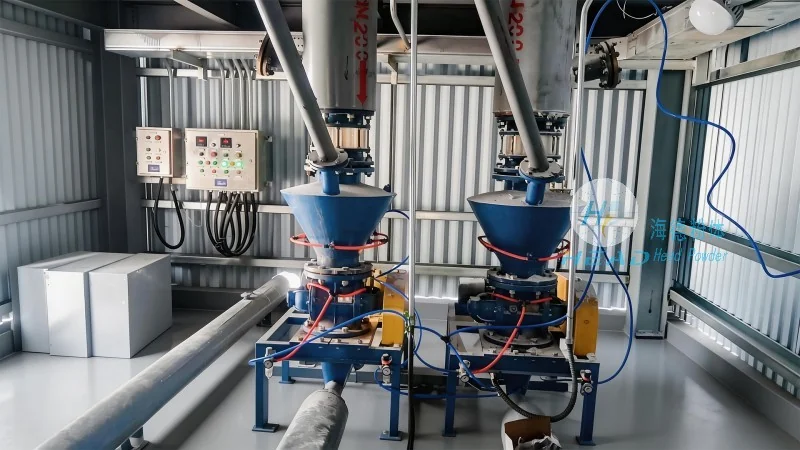
PTA powder conveying machines are widely used in the production of polyester fibers and resins. They are essential for transporting PTA from storage silos to the polymerization reactors, where it is converted into PET (Polyethylene Terephthalate). The efficient operation of these machines directly impacts the overall production capacity and cost-effectiveness of the PTA manufacturing process. By ensuring a reliable supply of PTA powder, the machines contribute to the smooth and continuous operation of the entire production line.
Maintaining PTA powder conveying machines is crucial for ensuring their longevity and performance. Regular maintenance includes cleaning the hopper and conveyor to prevent powder buildup, which can lead to clogging and reduced efficiency. The screw or air compressor should be checked for wear and tear, and replaced if necessary. Seals and gaskets should be inspected for any signs of damage or leakage, as these can affect the system's performance and safety. Safety is also a critical aspect of operating PTA powder conveying machines. PTA powder can generate static electricity, which may cause sparks and pose a fire hazard. Therefore, grounding the equipment and using anti-static materials are essential safety measures. Additionally, proper ventilation is required to prevent the accumulation of dust in the air, which can be hazardous to workers. By following these maintenance and safety guidelines, operators can ensure the reliable and safe operation of the PTA powder conveying machines.

 Shandong Headpowder Engineering Co., Ltd.
 156-6277-7102(Manager Zhang)
  0531-83386006
  Zhangqiu District, Jinan City, Shandong Province, China
telephone
WeChatconsult
top