With more than 10‑year industry experience, Shandong Headpowder delivers full‑service pneumatic‑conveying systems and blowers, undertaking nationwide turn‑key powder‑handling projects.
Grass meal powder conveying lines are critical systems in agricultural and food processing industries, engineered to efficiently transport grass meal powder from storage to processing or packaging areas. These lines are designed to handle the unique characteristics of grass meal, such as its fine particle size and potential for dust generation, ensuring reliable and safe operation. The following sections detail the operation process and working principle of such a system, highlighting key components and the step-by-step workflow.
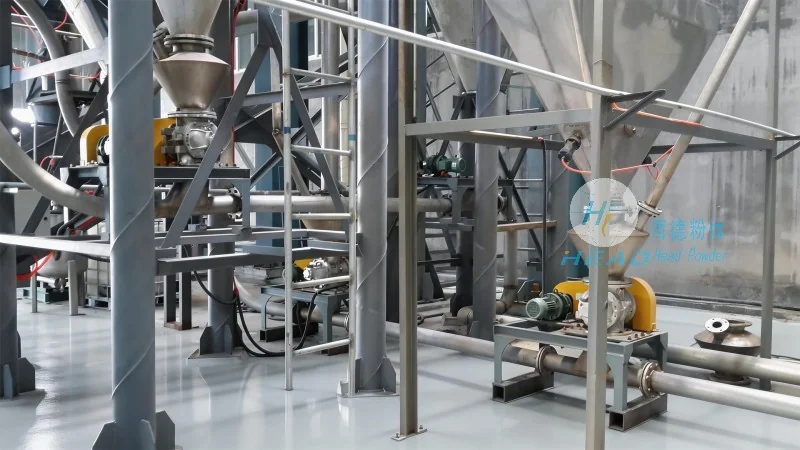
Grass meal powder conveying lines are sophisticated systems that integrate multiple components to achieve seamless material handling. Typically, these systems include a hopper for raw material storage, a conveyor mechanism (such as a screw conveyor or pneumatic system), control panels for automated operation, and safety features to prevent accidents. The design of these lines is tailored to the specific requirements of grass meal, which may vary in moisture content, particle size distribution, and bulk density. By addressing these factors, the conveying line ensures optimal performance and minimal material loss.
The operation of a grass meal powder conveying line relies on several critical components, each playing a vital role in the overall process. The primary components include:
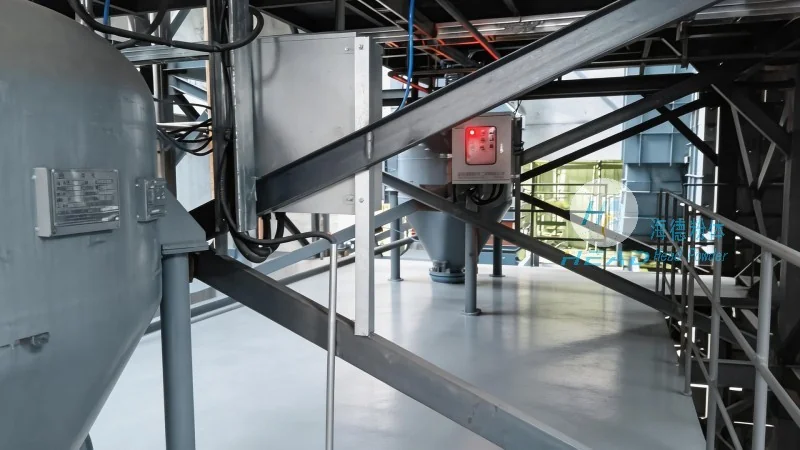
The operation of a grass meal powder conveying line follows a systematic sequence of steps, from material loading to discharge. The process begins with the loading of grass meal into the raw material hopper. Once the hopper is filled, the feeding mechanism starts, and the conveyor begins to transport the powder. The control panel monitors the system in real-time, adjusting the feed rate and conveyor speed as needed to maintain a steady flow. The grass meal is then conveyed to the processing or packaging area, where it is further processed or packaged for distribution.
During operation, the system continuously monitors key parameters such as material level, conveyor speed, and temperature. Any deviations from the set parameters are immediately detected and corrected by the control panel. For example, if the hopper level drops below a certain threshold, the feeding mechanism stops to prevent emptying the hopper. Similarly, if the conveyor speed exceeds the set limit, the system reduces the speed to maintain optimal performance.
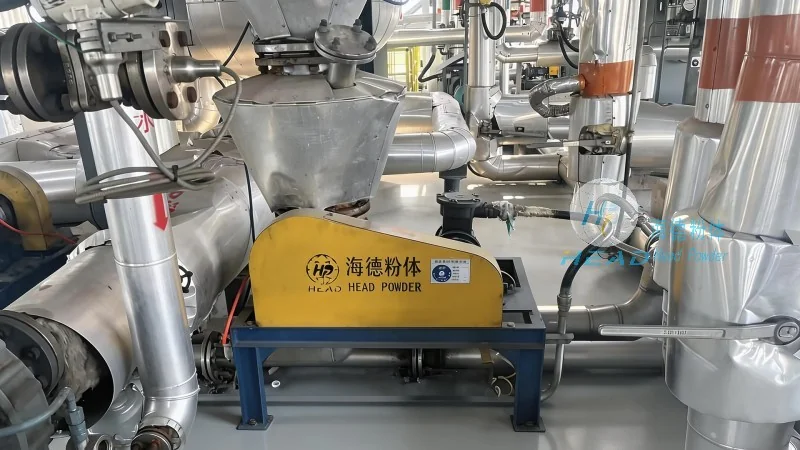
The working principle of a grass meal powder conveying line is based on the principles of material flow and mechanical or pneumatic transport. The system operates by creating a pressure differential or using mechanical force to move the grass meal powder from the hopper to the discharge point. In a screw conveyor, for instance, the rotating screw blade pushes the powder forward, while the hopper's sloped design allows gravity to assist in the movement. In a pneumatic system, compressed air is used to create a flow of air and powder through the pipeline, with the powder being carried by the air stream.
The control panel plays a crucial role in the working principle by regulating the speed and direction of the conveyor. It uses sensors to detect the position of the material and adjust the system accordingly. For example, a level sensor in the hopper detects when the material level is low and signals the feeding mechanism to add more material. The PLC in the control panel processes these signals and sends commands to the conveyor and feeding mechanisms to maintain the desired operation.
Grass meal powder conveying lines offer several benefits in the processing of grass meal, including increased efficiency, reduced labor costs, and improved safety. These systems are widely used in the production of animal feed, where consistent and reliable transport of grass meal is essential. The ability to handle fine powders without clogging makes these lines suitable for various applications, from small-scale farms to large industrial facilities.
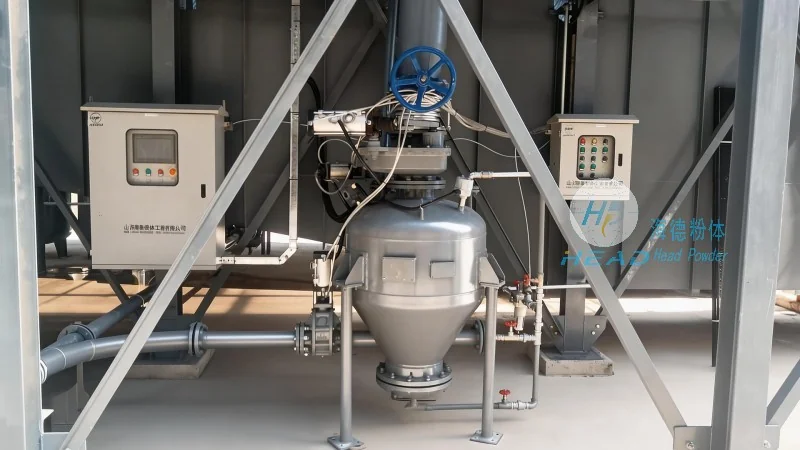
Shandong HeadPowder Engineering Co., Ltd., a leading manufacturer of grass meal powder conveying lines, specializes in designing and manufacturing customized systems to meet the specific needs of their clients. With years of experience in the industry, the company has developed advanced technologies to ensure the efficiency and reliability of their conveying lines. The company's facilities are located in Shandong, China, where they employ skilled engineers and technicians to design and produce high-quality equipment.
In conclusion, grass meal powder conveying lines are essential systems in the agricultural and food processing industries, designed to efficiently transport grass meal powder. The operation process involves several key steps, from material loading to discharge, and is controlled by a sophisticated system of components and sensors. The working principle of these systems is based on mechanical or pneumatic transport, with the control panel regulating the operation to maintain optimal performance. With the expertise of companies like Shandong HeadPowder Engineering Co., Ltd., these systems can be customized to meet the specific requirements of various applications, ensuring reliable and safe operation.

 Shandong Headpowder Engineering Co., Ltd.
 156-6277-7102(Manager Zhang)
  0531-83386006
  Zhangqiu District, Jinan City, Shandong Province, China
telephone
WeChatconsult
top