With more than 10‑year industry experience, Shandong Headpowder delivers full‑service pneumatic‑conveying systems and blowers, undertaking nationwide turn‑key powder‑handling projects.
HeadPowder, a leading engineering firm based in Shandong, China, specializes in the design and implementation of advanced powder handling systems. This article provides a detailed overview of the operation process and working principle of a calcium carbonate powder conveying system, highlighting the key components, operational steps, and technical mechanisms that ensure efficient material transport.
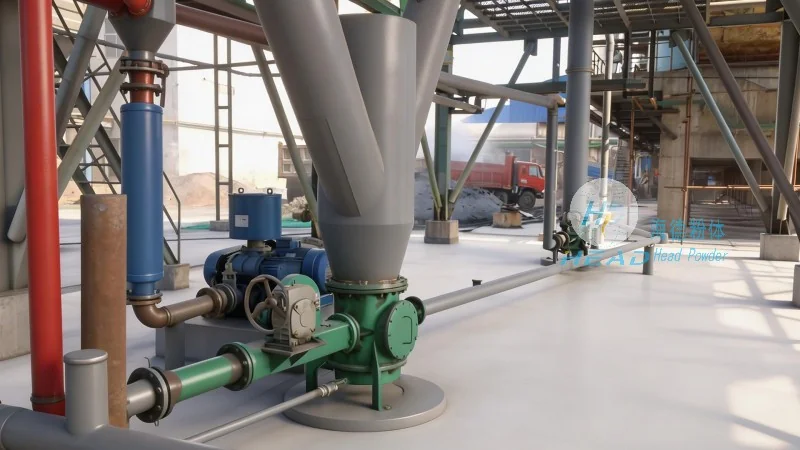
Calcium carbonate (CaCO₃) is a widely used industrial material in various sectors, including plastics, paper, and construction. Efficient and reliable powder conveying is crucial for maintaining production continuity and product quality. The calcium carbonate powder conveying system developed by Shandong HeadPowder Engineering Co., Ltd. is engineered to handle the unique properties of calcium carbonate, such as its fine particle size, low bulk density, and tendency to agglomerate. This system integrates advanced technologies to ensure stable, low-dust, and energy-efficient material transport.
The calcium carbonate powder conveying system consists of several critical components that work in tandem to achieve seamless material handling. These include:
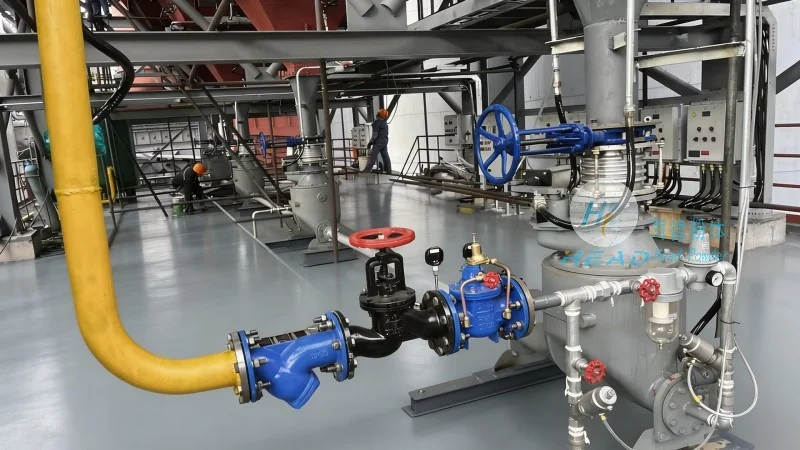
The operation of the calcium carbonate powder conveying system follows a systematic sequence of steps, each designed to optimize material handling efficiency and minimize operational risks. The process begins with the loading of the feeding hopper with calcium carbonate powder. Once the hopper is filled, the system initiates the feeding mechanism, which may involve vibration or a rotary feeder to move the material into the pneumatic conveying unit.
Simultaneously, the control panel activates the blower to generate the necessary airflow. The powder is then drawn into the pipeline by the air current, forming a dense phase or dilute phase flow depending on the system design. The airflow carries the powder through the pipeline network, which may include bends, expansions, or filters to maintain consistent flow and prevent blockages. The material is then discharged from the pipeline into the discharge hopper at the destination point.
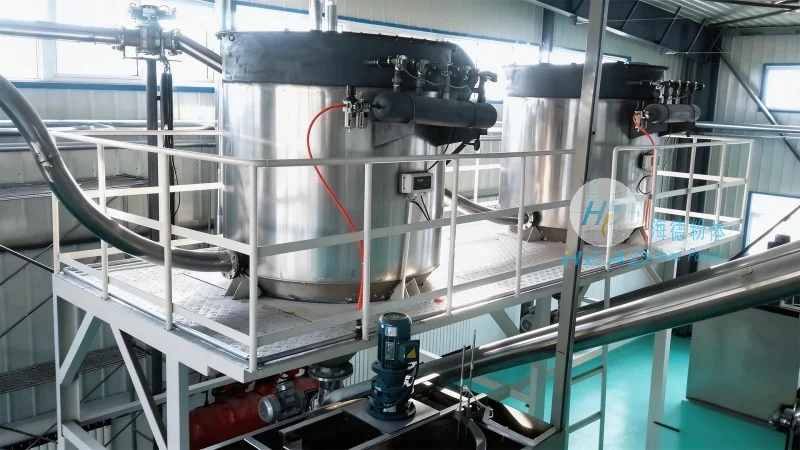
The working principle of the calcium carbonate powder conveying system is based on the principles of fluid dynamics and pneumatic transport. The system operates by creating a pressure differential between the feeding and discharge points. The blower generates a high-pressure air stream that moves through the pipeline, while the powder particles are entrained in the airflow. The interaction between the air and powder particles determines the conveying velocity and efficiency.
In dense phase conveying, the powder is transported in a slurry-like state, where the particles are closely packed and the air velocity is relatively low. This method is ideal for handling fine powders and minimizing dust generation. In contrast, dilute phase conveying uses higher air velocities to transport the powder in a more dispersed state, suitable for longer distances or when the material is less cohesive.
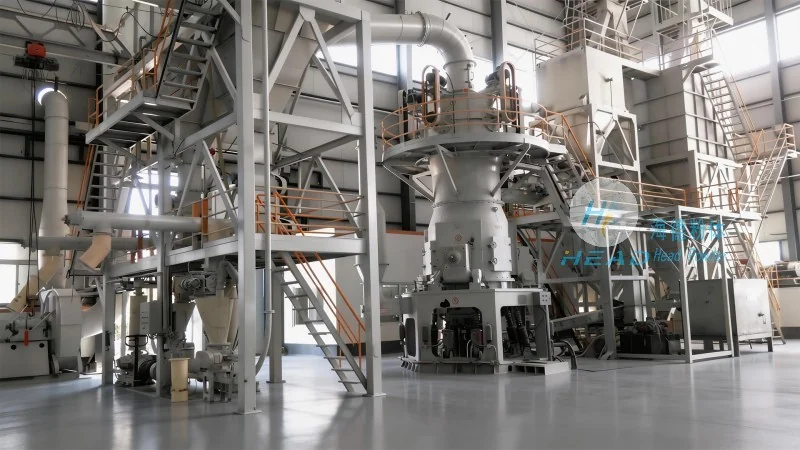
The calcium carbonate powder conveying system developed by Shandong HeadPowder Engineering Co., Ltd. offers several advantages that make it suitable for various industrial applications. These include:
Applications of this system include the transport of calcium carbonate powder in plastic manufacturing plants, paper mills, and construction material production facilities. The system's ability to handle fine powders and maintain product quality makes it an essential component in these industries.

 Shandong Headpowder Engineering Co., Ltd.
 156-6277-7102(Manager Zhang)
  0531-83386006
  Zhangqiu District, Jinan City, Shandong Province, China
telephone
WeChatconsult
top