With more than 10‑year industry experience, Shandong Headpowder delivers full‑service pneumatic‑conveying systems and blowers, undertaking nationwide turn‑key powder‑handling projects.
Denitrizer pneumatic conveying lines are essential systems in industrial applications, particularly in the power generation and environmental protection sectors where efficient handling of denitrizer materials is critical. This article provides a detailed overview of the operation process and working principle of such lines, highlighting the key components, operational steps, and technical aspects that ensure reliable and efficient material transport.
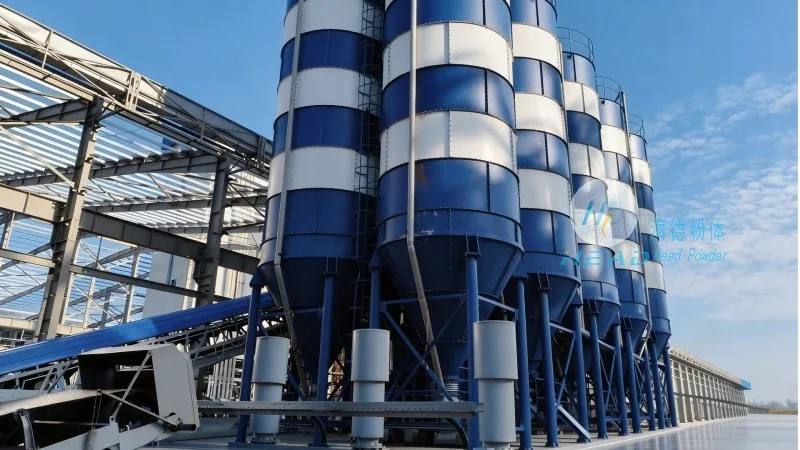
Denitrizer, commonly used in flue gas desulfurization (FGD) systems to reduce nitrogen oxide emissions, is a fine powder that requires specialized handling due to its properties. Pneumatic conveying lines offer a non-contact, dust-free method to transport denitrizer from storage silos to the injection points in power plants or other industrial facilities. The system is designed to maintain material integrity, minimize contamination, and ensure consistent flow rates, which are crucial for optimal denitrification performance.
The denitrizer pneumatic conveying line typically consists of several core components that work in tandem to achieve efficient material transport. These include:
The operation of a denitrizer pneumatic conveying line involves a series of coordinated steps to ensure smooth and continuous material transport. The process typically begins with the denitrizer being discharged from the storage silo into the conveying hopper. The feeder then regulates the flow rate, ensuring a consistent feed to the system. Simultaneously, the air supply system generates the required pressure, and the air is introduced into the conveying pipe at the hopper end.
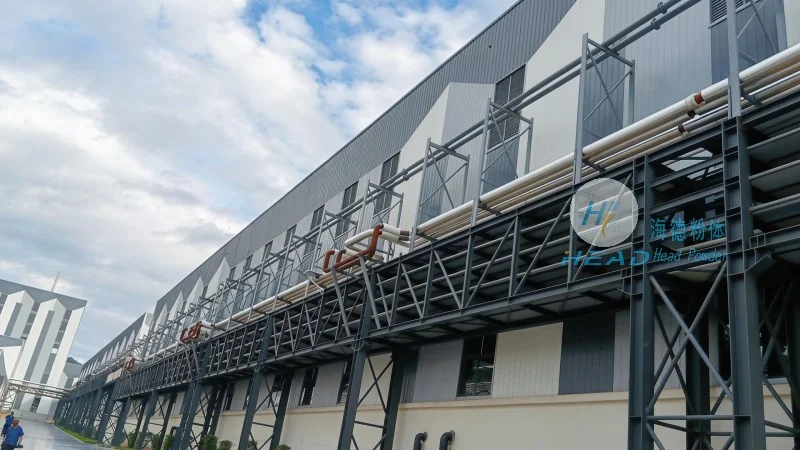
As the air flows through the pipe, it creates a flow velocity that lifts and transports the denitrizer particles. The material is carried along the pipe by the air stream, moving towards the injection point. The conveying velocity is carefully controlled to prevent particle deposition or blockages in the pipe. At the receiving end, the air and material mixture enters the separation system, where the air is separated from the powder. The separated powder is collected and returned to the system or stored, while the clean air is discharged.
The working principle of the denitrizer pneumatic conveying line is based on the fundamental concept of fluidization and transport of solid particles by a gas stream. There are two main types of pneumatic conveying systems: suction (or vacuum) conveying and pressure conveying. The choice of system depends on the distance, material properties, and application requirements.
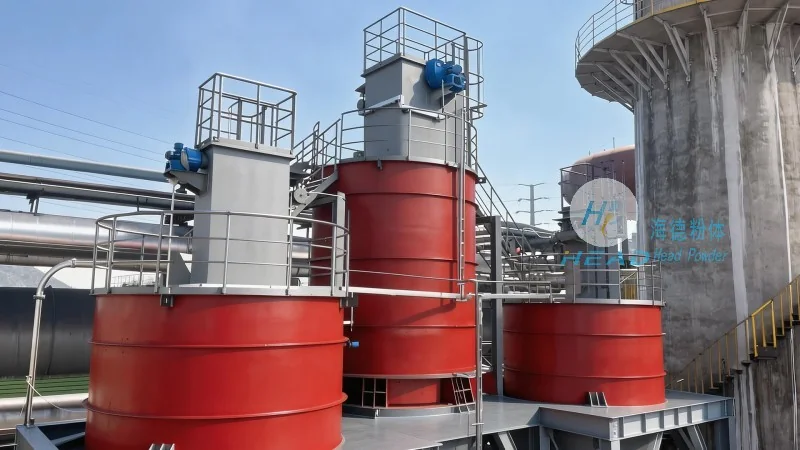
In suction conveying, a vacuum is created at the hopper end, drawing the denitrizer powder into the conveying pipe along with the air. This method is suitable for short to medium distances and is effective for handling fine powders. The pressure conveying system, on the other hand, uses compressed air to push the material through the pipe. This method is ideal for longer distances and can handle larger quantities of material.
The core principle in both systems is the creation of a gas-solid mixture where the air velocity is sufficient to overcome the gravitational and frictional forces acting on the denitrizer particles. The air flow maintains the particles in a suspended state, allowing them to be transported efficiently. The design of the conveying line, including pipe diameter, air velocity, and system pressure, is critical to ensure that the material is conveyed without degradation or loss.
When designing and operating denitrizer pneumatic conveying lines, several technical considerations are essential to ensure optimal performance. These include:

 Shandong Headpowder Engineering Co., Ltd.
 156-6277-7102(Manager Zhang)
  0531-83386006
  Zhangqiu District, Jinan City, Shandong Province, China
telephone
WeChatconsult
top