With more than 10‑year industry experience, Shandong Headpowder delivers full‑service pneumatic‑conveying systems and blowers, undertaking nationwide turn‑key powder‑handling projects.
Magnesium sulfate, commonly known as Epsom salt, is a widely used chemical compound in various industrial and agricultural applications. Efficient and reliable material handling is crucial for the smooth operation of processes involving magnesium sulfate. Pneumatic conveying systems offer an effective solution for transporting this material, ensuring safety, efficiency, and minimal product degradation. This article provides a detailed overview of the operation process and working principle of a magnesium sulfate pneumatic conveying line, highlighting the key components, operational steps, and the role of specialized engineering in optimizing material transport.
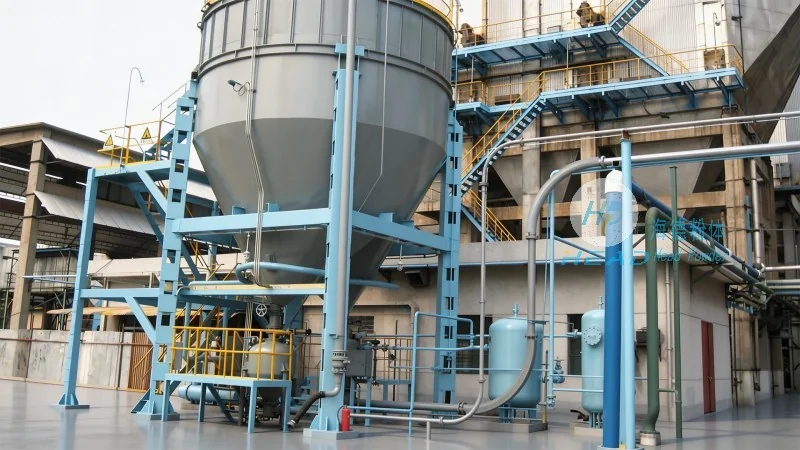
The magnesium sulfate pneumatic conveying system consists of several critical components that work in tandem to ensure effective material transport. These components include the material hopper, feeder, air compressor, conveying pipeline, dust collector, and discharge unit. Each component plays a vital role in the overall system performance.
The material hopper is designed to store and feed magnesium sulfate into the system. It is equipped with a feeder, such as a rotary valve or screw feeder, which controls the flow rate of the material into the conveying line. The air compressor generates the necessary air pressure to move the material through the pipeline. The conveying pipeline, typically made of stainless steel or other corrosion-resistant materials, transports the material from the hopper to the discharge point. The dust collector is essential for capturing any airborne particles, ensuring compliance with environmental regulations and maintaining a clean working environment. Finally, the discharge unit, such as a rotary valve or a receiving hopper, collects the material at the end of the conveying line.
The operation of a magnesium sulfate pneumatic conveying line involves a series of sequential steps that ensure the material is transported safely and efficiently. The process begins with the material being loaded into the hopper. The feeder then regulates the flow of magnesium sulfate into the conveying line. Simultaneously, the air compressor starts and generates the required air pressure. The air and material mixture is then propelled through the pipeline by the air flow. As the mixture travels, it reaches the discharge unit, where the material is separated from the air and collected. The air, now containing any dust particles, is directed to the dust collector for filtration and recycling.
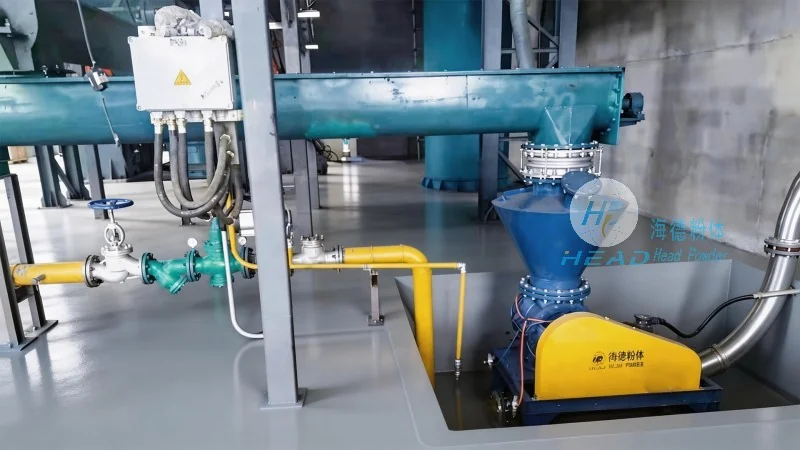
During operation, the system maintains a consistent flow rate of magnesium sulfate, ensuring that the material is conveyed without blockages or excessive pressure drops. The air compressor continuously supplies the necessary air volume to maintain the conveying velocity, which is critical for preventing material deposition in the pipeline. Regular monitoring of the system parameters, such as pressure, flow rate, and temperature, is essential to detect any deviations and adjust the operation accordingly.
The working principle of a magnesium sulfate pneumatic conveying line is based on the principle of fluidization and particle transport. The air compressor provides a high-pressure air stream that creates a low-pressure zone in the conveying pipeline. This pressure differential causes the magnesium sulfate particles to be entrained by the air flow, forming a slurry-like mixture. The velocity of the air stream is sufficient to overcome the gravitational force and frictional resistance of the particles, allowing them to be transported through the pipeline.
The conveying velocity is a critical parameter that determines the efficiency of the system. If the velocity is too low, the particles may settle and cause blockages. Conversely, if the velocity is too high, it can lead to excessive wear on the pipeline and equipment, as well as increased energy consumption. The optimal conveying velocity for magnesium sulfate is typically determined through system testing and adjustment to ensure the most efficient and cost-effective operation.
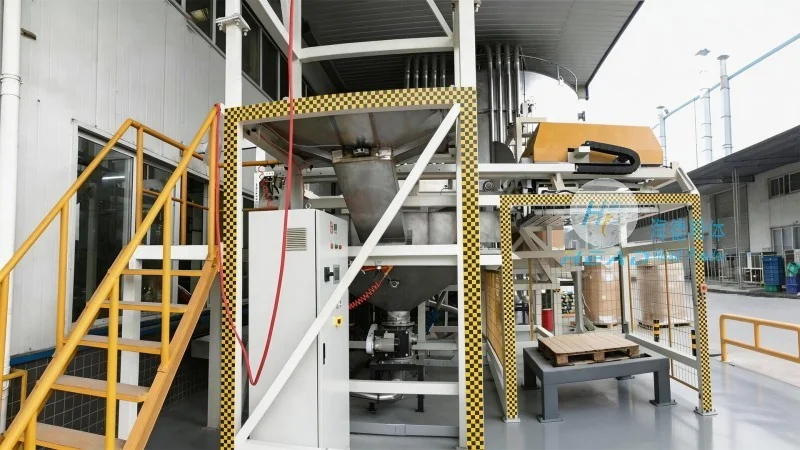
Implementing a pneumatic conveying system for magnesium sulfate offers several advantages over traditional methods such as belt conveyors or bucket elevators. One of the primary benefits is the ability to transport the material in a closed system, which minimizes dust emissions and protects the material from contamination. This is particularly important for magnesium sulfate, which is sensitive to moisture and can degrade if exposed to the environment.
Another advantage is the reduced risk of product degradation. Pneumatic conveying systems operate at lower temperatures compared to other methods, which helps preserve the quality of the magnesium sulfate. Additionally, the system is less prone to material spillage and leakage, ensuring a cleaner and safer working environment. The closed system also enhances safety by preventing the inhalation of dust particles, which can be harmful to workers.
From an operational perspective, pneumatic conveying systems offer greater flexibility in terms of layout and material handling. They can be easily integrated into existing production lines and can handle varying material flow rates. The system also requires less maintenance compared to mechanical conveyors, as there are fewer moving parts and less wear and tear on the equipment.
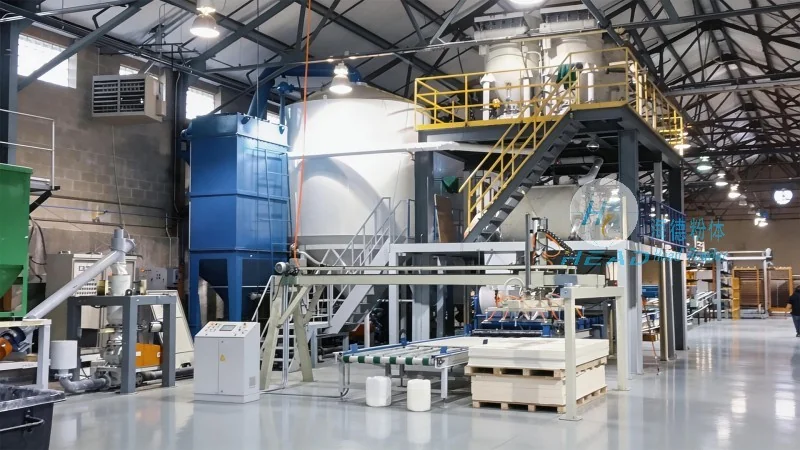
Shandong HeadPowder Engineering Co., Ltd., a leading engineering company based in China, specializes in the design, manufacturing, and installation of pneumatic conveying systems for various industrial applications. With years of experience in the field, HeadPowder has developed expertise in handling materials like magnesium sulfate, which requires specialized equipment and engineering solutions.
HeadPowder's team of engineers and technicians work closely with clients to understand their specific requirements and design a customized pneumatic conveying system that meets their operational needs. The company uses advanced design software and simulation tools to optimize the system layout, ensuring the most efficient use of space and resources. The components used in the system are selected based on the material properties, such as the particle size, density, and moisture content of magnesium sulfate, to ensure long-term reliability and performance.
HeadPowder provides comprehensive services, including system installation, commissioning, and maintenance. The company's team of skilled technicians ensures that the system is installed correctly and operates as per the design specifications. Regular maintenance services are offered to keep the system in optimal condition, minimizing downtime and maximizing productivity. HeadPowder's commitment to quality and customer satisfaction has made it a trusted partner for many industries that rely on efficient material handling for their magnesium sulfate operations.

 Shandong Headpowder Engineering Co., Ltd.
 156-6277-7102(Manager Zhang)
  0531-83386006
  Zhangqiu District, Jinan City, Shandong Province, China
telephone
WeChatconsult
top