With more than 10‑year industry experience, Shandong Headpowder delivers full‑service pneumatic‑conveying systems and blowers, undertaking nationwide turn‑key powder‑handling projects.
For industries dealing with sodium bicarbonate, efficient material handling is crucial. The pneumatic conveying machine, specifically designed for sodium bicarbonate, offers a reliable solution that integrates advanced engineering principles with practical application needs. This article explores the underlying principles of such systems and highlights the key working scene characteristics that make them indispensable in various industrial settings.
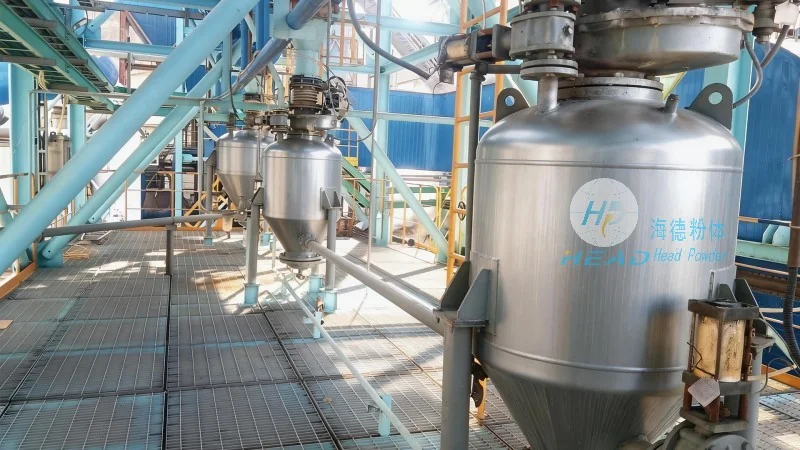
The core of a sodium bicarbonate pneumatic conveying system lies in its ability to transport dry bulk materials through a pipeline using air or gas as the conveying medium. This method, known as pneumatic conveying, can be categorized into two primary types: positive pressure and negative pressure systems. Positive pressure systems generate air flow by blowing air into the conveying line, while negative pressure systems create suction by drawing air out of the line. For sodium bicarbonate, which is a fine, light powder with a relatively low bulk density, positive pressure systems are often preferred due to their efficiency in maintaining consistent flow rates and minimizing material degradation. The system typically includes a hopper, a feeder, a conveying line, and a receiver. The hopper stores the sodium bicarbonate, and the feeder controls the discharge rate into the conveying line. The air is introduced through a blower or compressor, creating a flow that carries the material particles along the pipeline. The receiver collects the conveyed material at the destination point. The design of the system must account for the material's properties, such as its particle size distribution, moisture content, and flowability, to ensure optimal performance. For instance, the use of flexible hoses or rigid pipes may vary based on the distance and the need for gentle handling to prevent agglomeration or particle breakage.
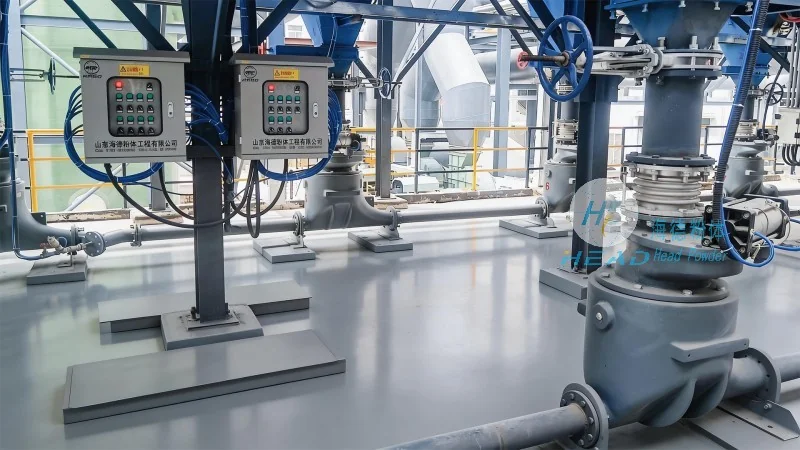
The effectiveness of a sodium bicarbonate pneumatic conveying machine is heavily influenced by the specific working scene in which it operates. These characteristics include the scale of operation, the distance over which material needs to be transported, the required flow rate, and the environmental conditions. In large-scale industrial plants, such as chemical manufacturing facilities or food processing plants, the system may need to handle high volumes of sodium bicarbonate over considerable distances, often requiring multi-stage or high-pressure conveying to maintain efficiency. Conversely, in smaller-scale applications like laboratory or pilot plants, the system might operate at lower flow rates and shorter distances, using simpler, low-pressure setups. The working environment also plays a critical role. For example, in food processing facilities, the system must comply with hygiene standards, using materials like stainless steel for all components to prevent contamination. In contrast, in chemical plants, the system may need to be designed to handle potential dust explosions, incorporating explosion-proof features and proper grounding. Another important aspect is the integration with other equipment. In many industrial processes, the pneumatic conveying system is part of a larger material handling network, connecting the sodium bicarbonate storage, processing, and packaging stages. This integration requires seamless coordination to ensure smooth operation and minimal downtime. The flexibility of the system to adapt to different operational demands is also a key characteristic. Some systems may be designed for continuous operation, providing a steady flow of material around the clock, while others may be set up for intermittent use, handling batches as needed. The ability to switch between different conveying modes, such as pressure or vacuum, based on the material's characteristics and the operational requirements, enhances the system's versatility.
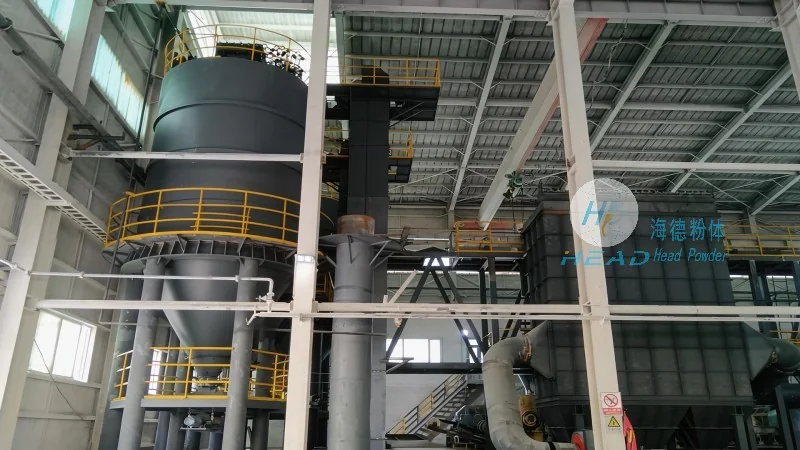
Shandong HeadPowder Engineering Co., Ltd., a leading manufacturer in the field, specializes in developing customized pneumatic conveying solutions tailored to the unique needs of sodium bicarbonate handling. With a strong focus on engineering excellence and customer-centric design, HeadPowder leverages years of experience to create systems that meet the highest standards of efficiency, reliability, and safety. The company's approach involves a thorough understanding of the material's properties and the operational requirements of the client's facility. This includes conducting detailed analyses of the sodium bicarbonate's particle size, moisture content, and flow characteristics, as well as the distance and flow rate requirements. Based on this analysis, HeadPowder engineers design systems that optimize the conveying process, minimizing energy consumption and maximizing material throughput. The company uses advanced materials and components, such as stainless steel for corrosion resistance and high-efficiency blowers for energy savings, to ensure the longevity and performance of the equipment. Additionally, HeadPowder incorporates state-of-the-art control systems that allow for real-time monitoring and adjustment of the conveying parameters, enhancing operational flexibility and reducing the risk of system failures. The company's commitment to quality is evident in its adherence to international standards and rigorous testing protocols, ensuring that each system is reliable and meets the specific demands of the application. By partnering with HeadPowder, industries can benefit from tailored solutions that address their unique challenges, from large-scale production to specialized laboratory applications.
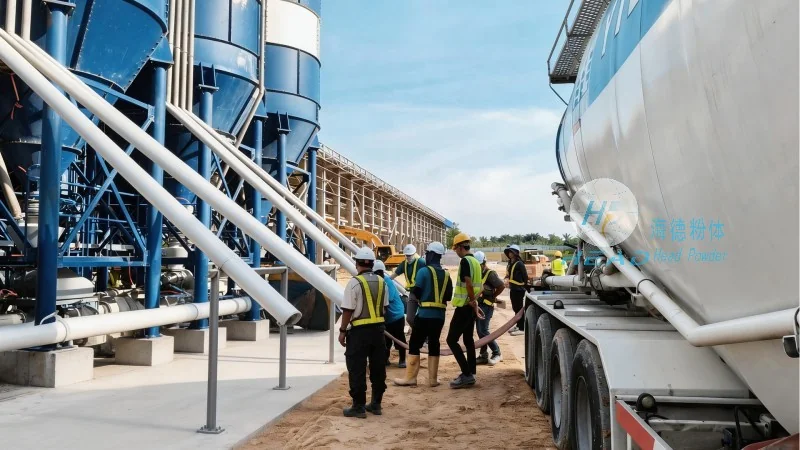
In conclusion, the pneumatic conveying machine for sodium bicarbonate is a sophisticated system that combines engineering principles with practical application to ensure efficient material handling. Its ability to transport dry bulk materials like sodium bicarbonate through pipelines using air or gas makes it an indispensable tool in various industrial sectors. The key working scene characteristics, including the scale of operation, distance, flow rate, and environmental conditions, dictate the design and configuration of the system. By understanding these characteristics and leveraging advanced engineering, manufacturers like Shandong HeadPowder Engineering Co., Ltd. can develop customized solutions that enhance operational efficiency, reduce costs, and improve safety. As industries continue to demand more efficient and reliable material handling solutions, the role of pneumatic conveying systems in sodium bicarbonate processing will only become more critical. The integration of innovative technologies and tailored design approaches ensures that these systems remain a cornerstone of modern industrial operations, supporting the smooth and sustainable processing of sodium bicarbonate in diverse applications.

 Shandong Headpowder Engineering Co., Ltd.
 156-6277-7102(Manager Zhang)
  0531-83386006
  Zhangqiu District, Jinan City, Shandong Province, China
telephone
WeChatconsult
top