With more than 10‑year industry experience, Shandong Headpowder delivers full‑service pneumatic‑conveying systems and blowers, undertaking nationwide turn‑key powder‑handling projects.
Caustic soda, also known as sodium hydroxide, is a highly caustic and reactive chemical widely used in various industrial processes, including chemical manufacturing, paper production, and water treatment. The efficient and safe handling of caustic soda is critical to industrial operations, and pneumatic conveying systems have emerged as a reliable solution for transporting this material. This article explores the principles behind caustic soda pneumatic conveying equipment, along with the specific characteristics of its application scenarios, as presented by Shandong HeadPowder Engineering Co., Ltd., a leading manufacturer based in Shandong, China.
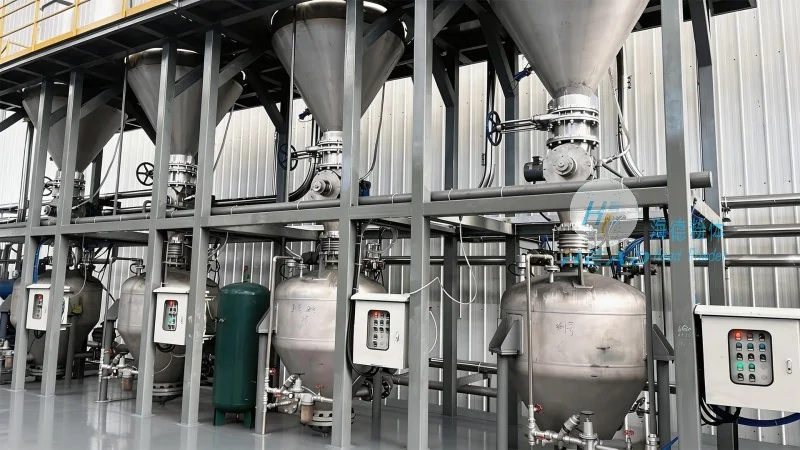
The core principle of pneumatic conveying for caustic soda involves the use of air or other gases to transport solid particles through a pipeline. In this system, the caustic soda powder is introduced into a hopper, where it is mixed with an air stream. The air, often under pressure, propels the material through the pipeline to the destination point, such as a storage tank or processing unit. This method eliminates the need for mechanical components like belts or buckets, reducing wear and maintenance costs while ensuring a continuous flow of material.
Several key components are integral to the operation of caustic soda pneumatic conveying systems. The hopper serves as the storage and feeding unit, where the caustic soda is loaded and prepared for transport. The air compressor or blower generates the necessary pressure to move the material through the pipeline. The pipeline itself is typically made of corrosion-resistant materials, such as stainless steel or special coatings, to withstand the chemical properties of caustic soda and prevent degradation. Additionally, control valves and filters are used to regulate the flow and maintain system efficiency.
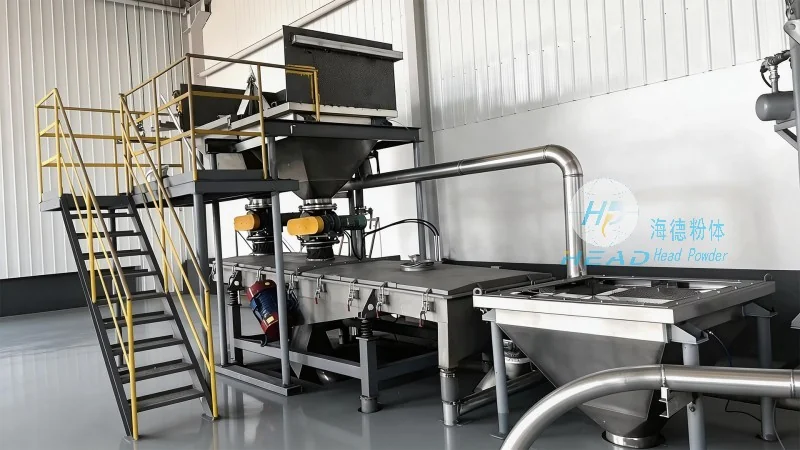
Caustic soda pneumatic conveying is particularly suited for applications where the material needs to be transported over medium to long distances or in environments where dust control and safety are paramount. For instance, in chemical plants, these systems are used to transfer caustic soda from storage silos to reactors or processing lines. In paper mills, they facilitate the delivery of caustic soda to the pulping and bleaching stages. The systems are also employed in water treatment facilities for the distribution of caustic soda used in pH adjustment and water softening processes. The flexibility of pneumatic conveying allows it to adapt to various industrial settings, making it a versatile solution for caustic soda handling.
There are several advantages to utilizing pneumatic conveying for caustic soda transport. First, it offers a dust-free and enclosed system, minimizing the risk of exposure to the caustic material and reducing environmental contamination. Second, the absence of mechanical parts reduces maintenance requirements and extends the operational life of the equipment. Third, the system can handle varying material flow rates and can be easily scaled to meet the needs of different production capacities. Furthermore, pneumatic conveying systems are energy-efficient compared to traditional methods, as they use compressed air to move the material rather than relying on heavy machinery.
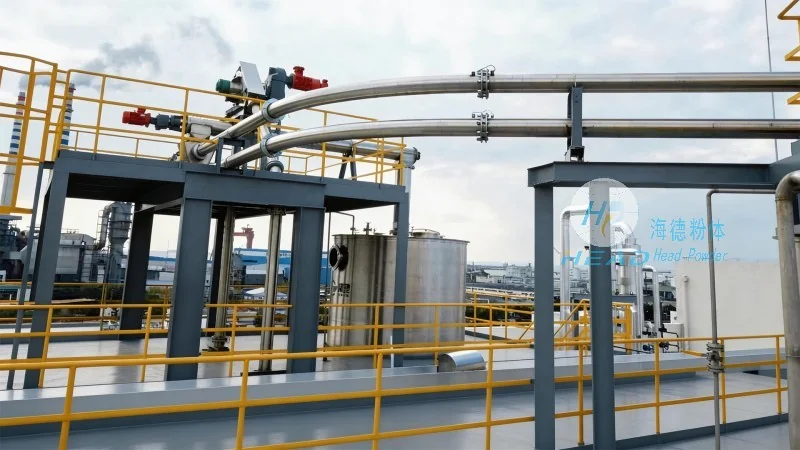
When selecting a caustic soda pneumatic conveying system, several technical specifications and operational considerations must be taken into account. The system's capacity, determined by the air flow rate and pipeline diameter, should match the production requirements. The pressure rating of the components must be sufficient to handle the material's density and the required transport distance. The choice of materials for the pipeline and components is critical, as caustic soda can cause corrosion; thus, stainless steel or specialized coatings are preferred. Additionally, the system should be equipped with safety features, such as pressure relief valves and emergency shut-off mechanisms, to prevent accidents and ensure safe operation.
Shandong HeadPowder Engineering Co., Ltd. has successfully implemented caustic soda pneumatic conveying systems in numerous industrial projects. For example, in a chemical manufacturing plant, their system efficiently transported caustic soda from a storage silo to a reactor, reducing material handling time by 30% and improving overall production efficiency. In another case, a paper mill adopted the system to deliver caustic soda to its pulping stage, achieving better control over the material flow and reducing dust emissions. These real-world applications demonstrate the effectiveness and reliability of pneumatic conveying systems for caustic soda transport, highlighting the expertise of HeadPowder in providing tailored solutions for industrial needs.

 Shandong Headpowder Engineering Co., Ltd.
 156-6277-7102(Manager Zhang)
  0531-83386006
  Zhangqiu District, Jinan City, Shandong Province, China
telephone
WeChatconsult
top