With more than 10‑year industry experience, Shandong Headpowder delivers full‑service pneumatic‑conveying systems and blowers, undertaking nationwide turn‑key powder‑handling projects.
Understanding the principles and application scenarios of pneumatic conveying for PVC granular materials is crucial for optimizing material handling processes in industrial settings. This article explores the fundamental mechanisms behind pneumatic conveying systems and highlights key operational characteristics that define their effectiveness in handling PVC particles.
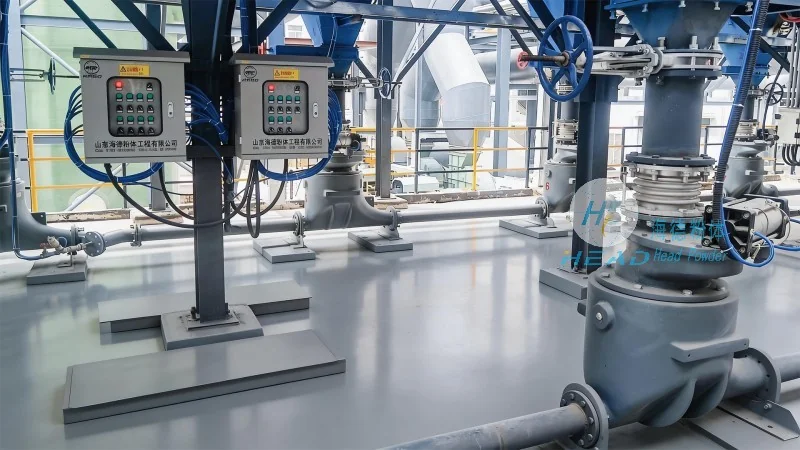
Pneumatic conveying is a method of transporting bulk materials, such as PVC granules, through a pipeline using a stream of pressurized air or vacuum. The process relies on the creation of a gas-solid flow where the material is suspended and transported by the moving air. In the case of PVC granules, which are typically lightweight and have a relatively low density, pneumatic conveying offers a efficient and flexible solution compared to traditional mechanical conveying methods like screw conveyors or belt conveyors.
The fundamental principle involves generating a pressure differential or airflow that lifts and propels the PVC particles through the pipeline. This can be achieved through positive pressure systems, where air is forced into the system to push the material, or negative pressure systems, where air is drawn out to pull the material. The choice between these systems depends on factors like the material's properties, the distance to be conveyed, and the required flow rate. For PVC granules, positive pressure systems are often preferred due to their ability to handle higher material loads and maintain consistent flow rates, especially when dealing with abrasive or corrosive materials that might be present in the PVC production process.
Several key characteristics define the performance and suitability of pneumatic conveying systems for PVC granular materials. First, the system's ability to handle varying particle sizes and shapes is critical. PVC granules can range from fine powders to larger pellets, and the conveying system must be designed to accommodate these variations without causing blockages or excessive wear on components. The use of appropriate pipeline diameters, bends, and transition sections is essential to maintain smooth material flow and prevent material degradation or segregation.
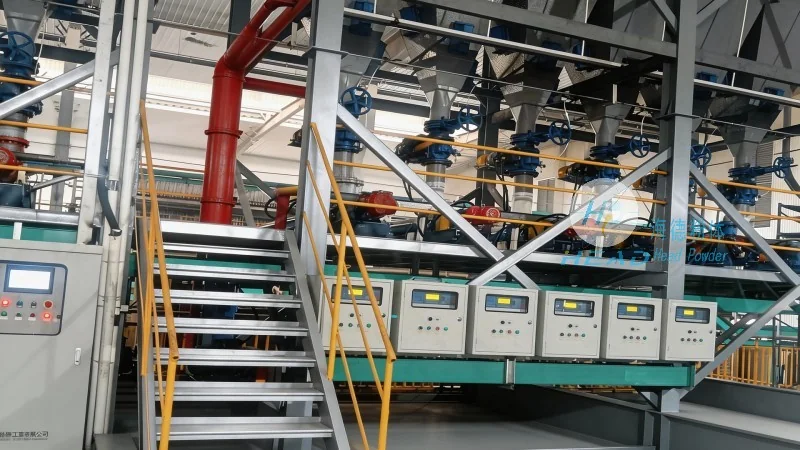
Second, the system's efficiency in terms of energy consumption and material recovery is a significant factor. Pneumatic conveying systems are generally more energy-efficient than mechanical systems for long-distance or high-volume conveying, as they eliminate the need for moving parts that can cause friction and energy loss. Additionally, the ability to recover and recycle air or adjust pressure levels helps optimize energy usage. For PVC applications, this efficiency is particularly important as the material is often expensive and valuable, making cost-effective handling a priority.
Third, the system's ability to maintain material quality and prevent contamination is vital. PVC granules are commonly used in manufacturing applications where purity is essential, such as in the production of pipes, fittings, or other plastic products. Pneumatic conveying systems can be designed with features like enclosed pipelines, filtration systems, and controlled air flow to minimize exposure to external contaminants and prevent cross-contamination between different batches of PVC. This ensures that the material remains in its original state, preserving its properties and meeting quality standards.
Pneumatic conveying systems for PVC granular materials are widely used in various industrial applications, each with specific requirements that influence the system design. One common scenario is in the PVC manufacturing plant, where raw PVC granules are transported from storage silos to processing units like extruders or mixers. In this case, the system must handle large volumes of material over relatively short distances, often with high flow rates to meet production demands. The design typically includes a positive pressure system with a blower or compressor, a hopper for material feeding, and a pipeline network that connects the storage area to the processing equipment.
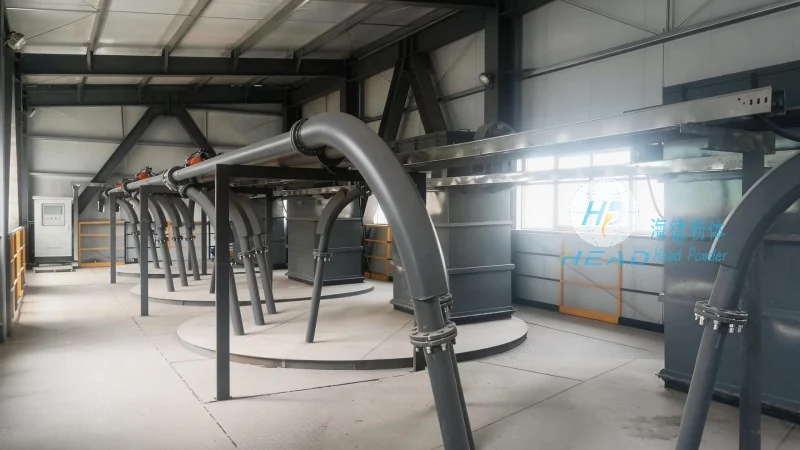
Another typical scenario is in the recycling or reprocessing of PVC waste. Here, the system is used to transport recycled PVC granules from collection points or sorting facilities to reprocessing plants where they are re-melted and reformed into new products. The material in this scenario may contain contaminants or different grades of PVC, requiring the system to be equipped with filtration and cleaning mechanisms to ensure the quality of the recycled material. The conveying system may also need to handle varying material properties, such as moisture content or particle size distribution, which can affect the flow characteristics and system performance.
A third scenario involves the handling of PVC additives or masterbatches in industrial settings. These additives, which may include colorants, stabilizers, or other chemicals, are often in the form of granules or powders and need to be accurately conveyed to mixing equipment. Pneumatic conveying allows for precise control over the flow rate and dosage of these additives, ensuring consistent product quality. The system may be integrated with automated feeding systems and sensors to monitor the material flow and adjust the process parameters in real-time.
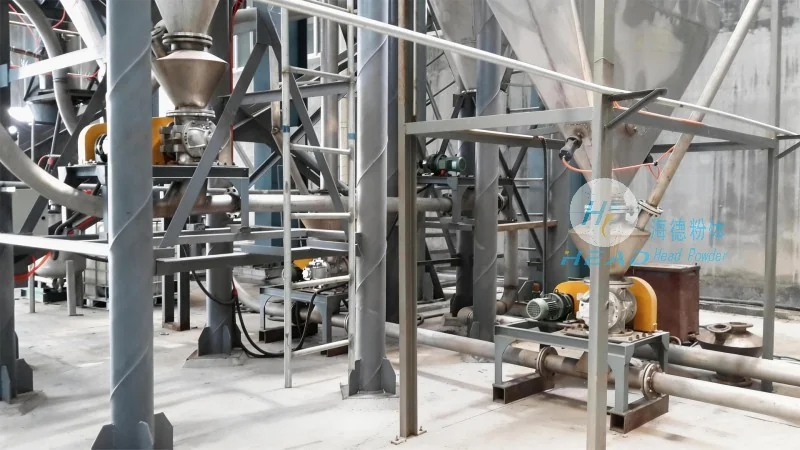
Shandong HeadPowder Engineering Co., Ltd., a leading provider of material handling solutions, specializes in designing and manufacturing pneumatic conveying systems tailored to the unique needs of industries handling PVC granular materials. With a focus on innovation and customer satisfaction, the company has established itself as a trusted partner for businesses seeking efficient and reliable material transport solutions. HeadPowder's expertise lies in understanding the specific challenges of PVC processing, such as material variability, contamination risks, and production efficiency, and developing customized systems that address these challenges effectively.
The company's facilities, located in Shandong, China, are equipped with advanced technology and skilled personnel to ensure the quality and performance of their pneumatic conveying systems. They work closely with clients to assess their operational requirements, conduct site surveys, and provide tailored solutions that meet specific production goals. Whether for new installations or system upgrades, HeadPowder offers comprehensive services, including system design, installation, commissioning, and maintenance, to ensure long-term reliability and optimal performance.
By leveraging their deep understanding of pneumatic conveying principles and the unique characteristics of PVC materials, Shandong HeadPowder Engineering Co., Ltd. delivers systems that enhance productivity, reduce costs, and improve material quality for their clients. Their commitment to quality and customer-centric approach has made them a preferred choice for industries relying on efficient handling of PVC granular materials, contributing to the overall success of their clients' operations.

 Shandong Headpowder Engineering Co., Ltd.
 156-6277-7102(Manager Zhang)
  0531-83386006
  Zhangqiu District, Jinan City, Shandong Province, China
telephone
WeChatconsult
top