With more than 10‑year industry experience, Shandong Headpowder delivers full‑service pneumatic‑conveying systems and blowers, undertaking nationwide turn‑key powder‑handling projects.
Shandong HeadPowder Engineering Co., Ltd., a leading enterprise in the field of powder processing technology, specializes in providing advanced solutions for the pneumatic conveying of glucose materials. This article explores the fundamental principles behind this technology and highlights key application scenarios where it excels in material handling and processing.
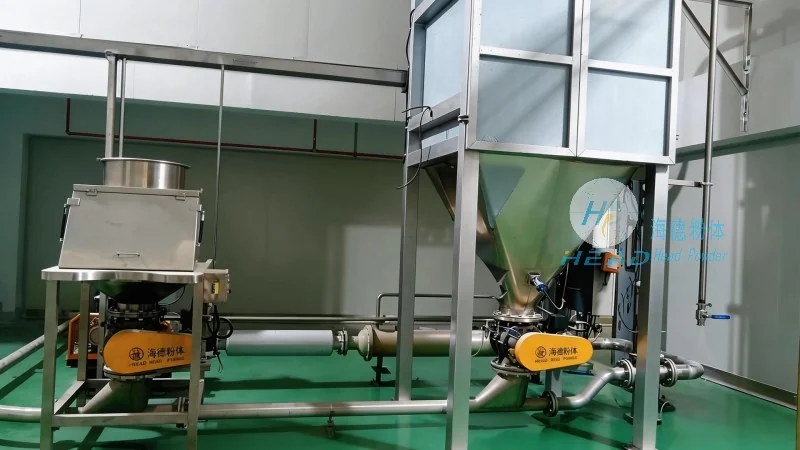
Pneumatic conveying, also known as pneumatic transport, is a method of transporting bulk materials through a pipeline using a gas stream, typically air. In the context of glucose materials, which are often fine powders with specific flow characteristics, the technology leverages the principles of fluid dynamics to move the material from a source to a destination. The core mechanism involves creating a pressure differential or using vacuum to draw the material into the conveying line, where it is then propelled by the moving air. This process is efficient for handling materials that are prone to caking or require gentle handling to maintain their quality.
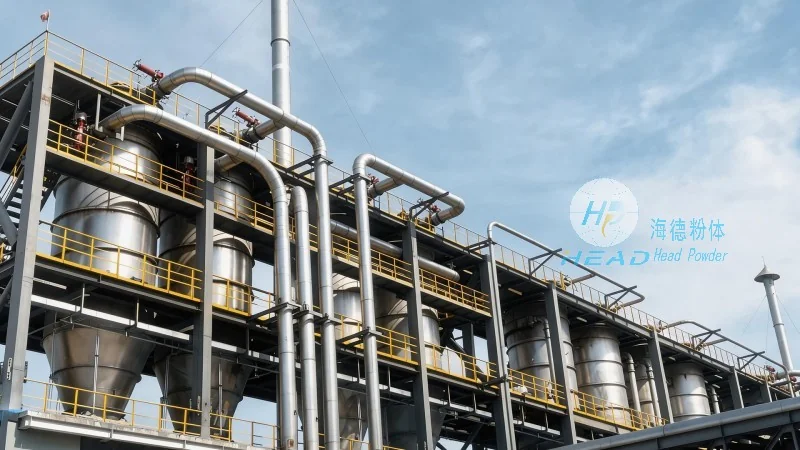
The application of pneumatic conveying for glucose materials is widespread across various industries, including food processing, pharmaceuticals, and chemical manufacturing. In food processing facilities, for instance, this technology is used to transport glucose powders from storage silos to production lines without the need for manual handling, which reduces contamination risks and improves operational efficiency. The gentle handling of the material ensures that the product's quality, such as its moisture content and particle size distribution, remains consistent throughout the process.
One of the primary advantages of pneumatic conveying for glucose materials is its ability to handle materials with high moisture content or those that are hygroscopic. Unlike mechanical conveying systems, which may cause material degradation or blockages, pneumatic systems can maintain the integrity of the product by controlling the air flow and pressure. Additionally, the system's flexibility allows for easy integration into existing production lines, enabling companies to upgrade their material handling processes without major infrastructure changes.
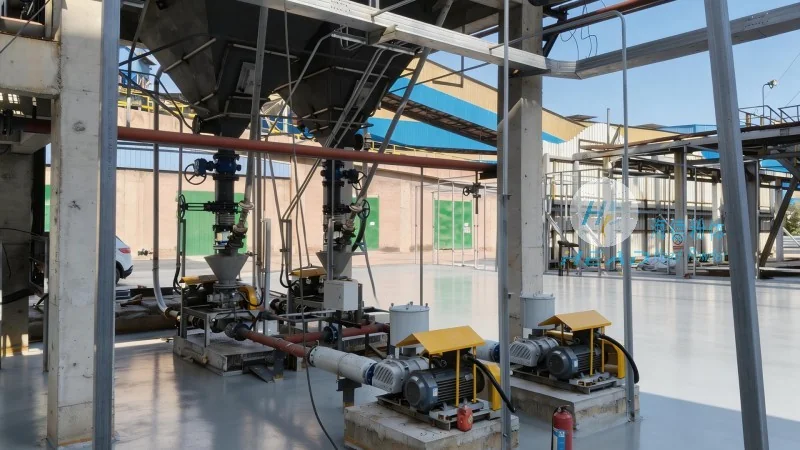
Shandong HeadPowder Engineering Co., Ltd. has extensive experience in designing and implementing pneumatic conveying systems tailored to the unique needs of glucose material handling. With facilities located in Shandong, China, the company leverages local expertise and resources to deliver customized solutions that meet the specific requirements of clients in the food and pharmaceutical sectors. Their expertise includes selecting the appropriate conveying type—such as pressure or vacuum systems—based on the material's properties and the distance to be covered, ensuring optimal performance and cost-effectiveness.

 Shandong Headpowder Engineering Co., Ltd.
 156-6277-7102(Manager Zhang)
  0531-83386006
  Zhangqiu District, Jinan City, Shandong Province, China
telephone
WeChatconsult
top