With more than 10‑year industry experience, Shandong Headpowder delivers full‑service pneumatic‑conveying systems and blowers, undertaking nationwide turn‑key powder‑handling projects.
Trilayer material, commonly utilized in lithium-ion battery cathodes, demands efficient and reliable powder handling solutions to ensure consistent quality and process efficiency. The pneumatic conveying line serves as a critical technology in this domain, offering a closed system for transporting fine powders such as trilayer materials. This article delves into the fundamental principles of such systems and the specific characteristics of their operational environments.
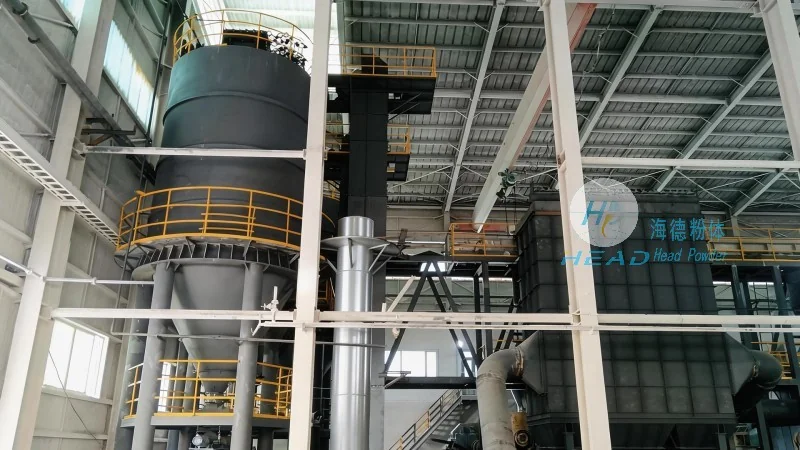
The core principle of a pneumatic conveying line involves utilizing compressed air or other gases to transport bulk materials through a pipeline. For trilayer material powders, which are typically fine and susceptible to agglomeration or dust generation, the design of the conveying system is paramount. The system generally comprises a feeding device, a conveying pipeline, a separation and cleaning system, and a discharge outlet. The feeding device ensures a uniform and controlled flow of the powder into the pipeline, while the conveying medium (air) provides the necessary force to move the material. The separation system, often including cyclones or filters, separates the conveying medium from the material, preventing dust contamination and ensuring the material is delivered to the target location without loss or degradation.
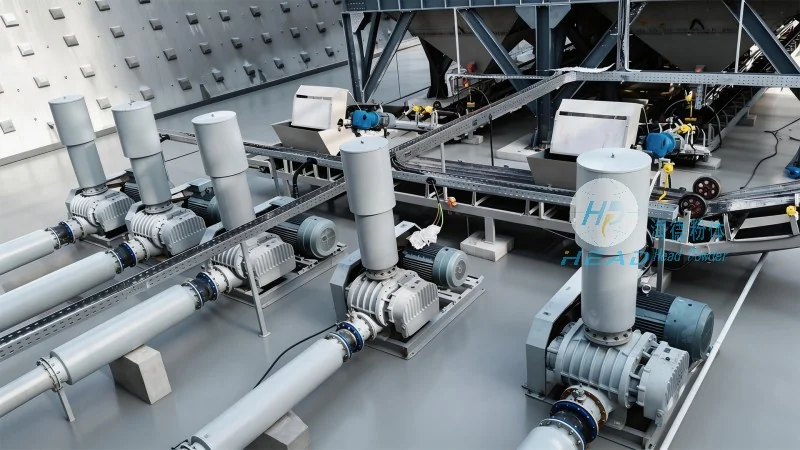
The working scene characteristics of these systems are tailored to the specific demands of trilayer material processing. First, the system must maintain a high level of cleanliness and dust control, as trilayer materials are sensitive to contamination. This is achieved through sealed pipelines and efficient filtration systems. Second, the conveying line needs to handle varying material flow rates and particle sizes, which is crucial for maintaining consistent battery production quality. The system's flexibility allows for adjustments to meet different production scales, from small-scale laboratory testing to large-scale industrial manufacturing. Third, the energy efficiency of the system is a significant consideration, as pneumatic conveying can be energy-intensive. Advanced designs incorporate energy-saving measures, such as optimized air velocity and pressure control, to reduce operational costs while maintaining performance. Additionally, the system's durability and low maintenance requirements are important for continuous operation in industrial settings, minimizing downtime and ensuring long-term reliability.
Trilayer material pneumatic conveying lines are widely employed in various stages of battery production, from raw material handling to final product packaging. In the raw material preparation stage, the system transports trilayer materials from storage silos to mixing and coating equipment. This ensures a consistent feed rate and prevents material degradation due to exposure to air or moisture. During the mixing and coating processes, the conveying line delivers the trilayer powder to the mixing tanks, where it is combined with other components like conductive agents and binders. The precise control of material flow is essential to achieve the correct stoichiometry and particle distribution, which directly impacts the battery's performance and cycle life. In the final assembly stage, the conveying line transports the coated electrodes to the cell formation and packaging lines, ensuring a smooth transition between production stages and maintaining product integrity.
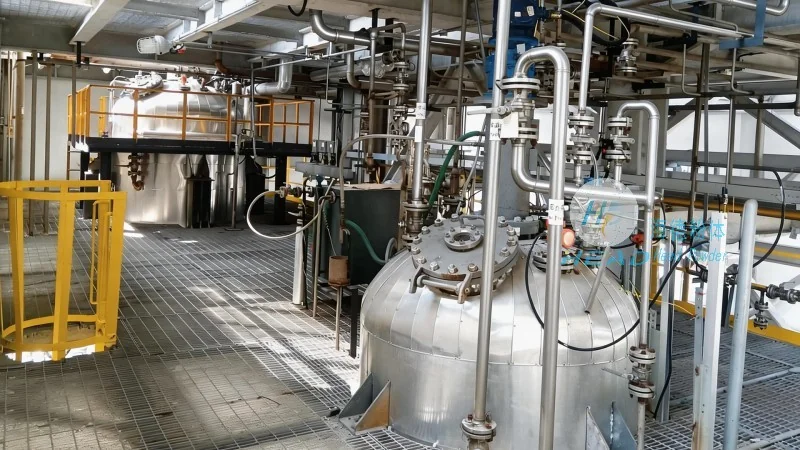
Shandong HeadPowder Engineering Co., Ltd., a leading provider of powder handling solutions, specializes in designing and manufacturing pneumatic conveying systems tailored to the needs of the battery industry. With a focus on innovation and customer satisfaction, the company has developed advanced technologies to handle trilayer materials efficiently and safely. The company's facilities are located in Shandong, China, where it leverages local expertise and resources to deliver high-quality products and services. HeadPowder Engineering's commitment to quality is reflected in its adherence to international standards and rigorous testing protocols, ensuring that its pneumatic conveying lines meet the demanding requirements of modern battery manufacturing. The company's team of experienced engineers and technicians provides comprehensive support, from system design and installation to maintenance and troubleshooting, helping clients optimize their production processes and improve overall efficiency.

 Shandong Headpowder Engineering Co., Ltd.
 156-6277-7102(Manager Zhang)
  0531-83386006
  Zhangqiu District, Jinan City, Shandong Province, China
telephone
WeChatconsult
top