With more than 10‑year industry experience, Shandong Headpowder delivers full‑service pneumatic‑conveying systems and blowers, undertaking nationwide turn‑key powder‑handling projects.
Understanding the mechanisms and operational contexts of dry sand powder conveying is crucial for industries that rely on efficient material handling. This article explores the fundamental principles behind dry sand powder conveying systems, alongside key characteristics of their application scenarios. The information is presented by Shandong HeadPowder Engineering Co., Ltd., a leading provider in the field, based in Shandong, China.
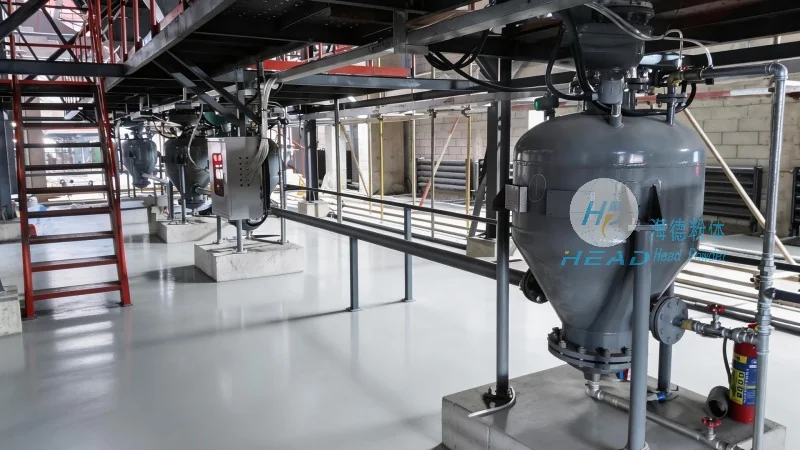
Dry sand powder conveying systems operate on the principle of transporting granular materials, such as dry sand, through a closed pipeline using air or mechanical force. The primary mechanisms include pneumatic conveying, where air is used to move the material, and mechanical conveying, which employs components like screws or belts. The choice of method depends on factors like material properties, distance, and required flow rates. Pneumatic systems are particularly effective for dry sand due to their ability to handle fine particles and maintain low contamination levels. Mechanical systems, on the other hand, offer advantages in handling larger or more abrasive materials. Both approaches ensure that the dry sand is transported efficiently from the source to the destination without degradation or loss.
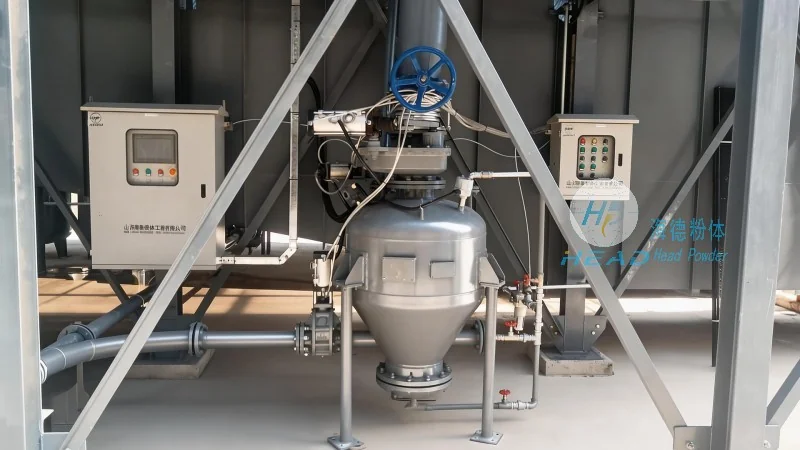
The effectiveness of dry sand powder conveying systems is attributed to several critical components. The hopper or feeder is responsible for feeding the dry sand into the system, ensuring a consistent flow. The pipeline, typically made of corrosion-resistant materials like stainless steel or PVC, transports the material. The conveying medium, whether air or mechanical parts, moves the sand through the system. The receiver or discharge point collects the dry sand at the end of the pipeline. Each component is designed to work in harmony, minimizing friction and ensuring the material remains dry and intact throughout the process. Regular maintenance of these components is essential to maintain system efficiency and prevent downtime.
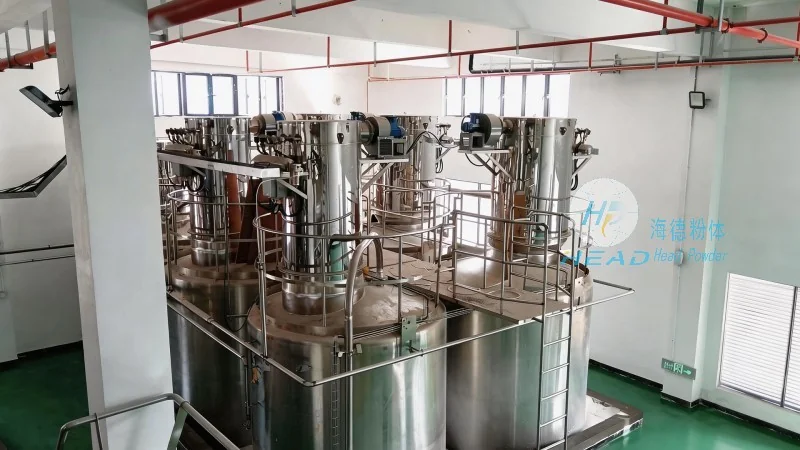
Dry sand powder conveying systems are widely used in various industrial settings. In construction, they are employed for transporting sand to job sites, ensuring a steady supply for concrete and mortar production. In mining operations, these systems help move sand from storage to processing facilities, improving workflow and reducing manual labor. The automotive industry also utilizes dry sand powder conveying for quality control and finishing processes, where the material is used for sandblasting or surface treatment. The operational characteristics of these systems include high efficiency, low maintenance, and the ability to handle large volumes of dry sand. They are designed to operate in environments where dust control is critical, as dry sand can be a source of airborne particles. The systems are also adaptable to different distances, from short on-site transfers to long-distance industrial applications.
Implementing dry sand powder conveying systems offers several advantages. They reduce labor costs by automating the material handling process, and they improve safety by minimizing manual handling of heavy or dusty materials. The systems also enhance product quality by maintaining the dryness and purity of the sand, which is crucial for applications like concrete production. However, there are considerations to keep in mind. The initial investment for these systems can be higher compared to traditional methods, and proper design is essential to avoid issues like blockages or air leaks. The choice of conveying method and system size should be based on the specific requirements of the application, including the type of dry sand, the distance to be covered, and the desired flow rate. By carefully evaluating these factors, industries can select the most suitable dry sand powder conveying system for their needs.
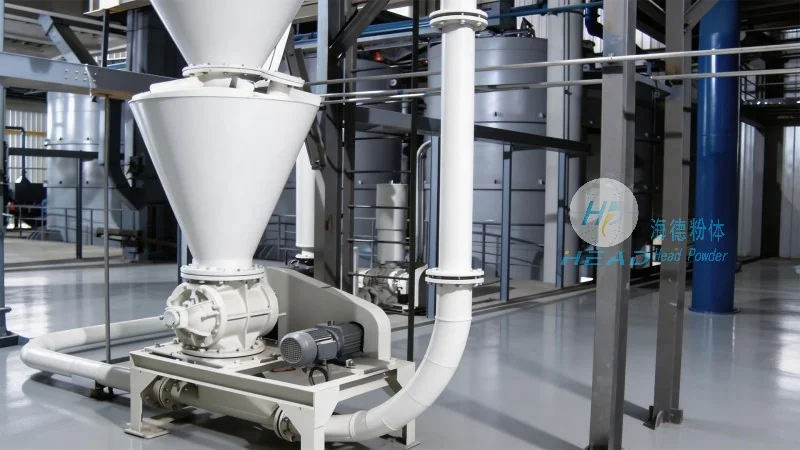
Dry sand powder conveying systems play a vital role in modern industrial operations, providing efficient and reliable transport of dry sand. The principles and components discussed here highlight the technology's effectiveness in various applications. Shandong HeadPowder Engineering Co., Ltd., with its expertise in engineering and manufacturing, offers tailored solutions for dry sand powder conveying. Based in Shandong, China, the company combines advanced technology with practical experience to deliver systems that meet the diverse needs of industries. Whether for construction, mining, or manufacturing, these systems contribute to improved productivity and operational efficiency. As industries continue to seek more efficient material handling solutions, dry sand powder conveying remains a key technology in the field.

 Shandong Headpowder Engineering Co., Ltd.
 156-6277-7102(Manager Zhang)
  0531-83386006
  Zhangqiu District, Jinan City, Shandong Province, China
telephone
WeChatconsult
top