With more than 10‑year industry experience, Shandong Headpowder delivers full‑service pneumatic‑conveying systems and blowers, undertaking nationwide turn‑key powder‑handling projects.
Rice pneumatic conveying systems represent a sophisticated technology designed to efficiently transport rice and related grains from one location to another. These systems are integral to modern agricultural and food processing operations, offering a reliable and efficient method for handling bulk materials. The core of such systems lies in the principles of pneumatic transport, which utilize air pressure to move materials through a network of pipes and components. This approach not only enhances operational efficiency but also minimizes the risk of contamination and damage to the product during transit.
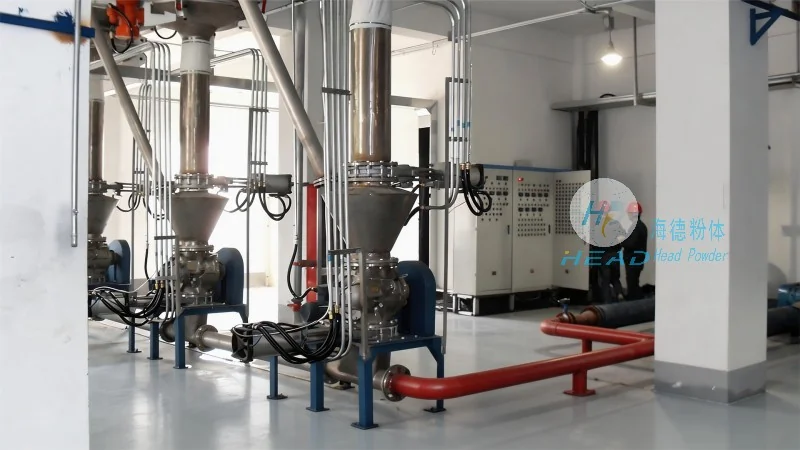
The fundamental principle behind rice pneumatic conveying systems is the use of air as the conveying medium. In a typical setup, a blower or fan generates a flow of air within a closed pipeline system. As air moves through the pipes, it creates a pressure differential that propels the rice particles along the path. The system can operate in either positive or negative pressure modes, depending on the specific application and material characteristics. Positive pressure systems force air and material through the system, while negative pressure systems draw material into the system using a vacuum. For rice, which is relatively light and has a low bulk density, positive pressure systems are often preferred as they provide better control over material flow and reduce the risk of clogging.
Several critical components work in tandem to ensure the smooth operation of a rice pneumatic conveying system. The primary components include the air supply unit (such as a blower or fan), the conveying pipeline, a hopper or feeder to introduce the rice into the system, and a discharge point where the material is released. The air supply unit is responsible for generating the necessary airflow and pressure. The conveying pipeline, typically made of durable materials like stainless steel or plastic, ensures the rice travels without obstruction. The hopper or feeder regulates the flow of rice into the system, preventing overloading and maintaining consistent material feed. The discharge point, often equipped with a valve or control mechanism, allows for precise release of the rice at the desired location. Additionally, some systems may include filters or cyclones to separate any fine particles or dust from the air, ensuring the material remains clean and the system operates efficiently.
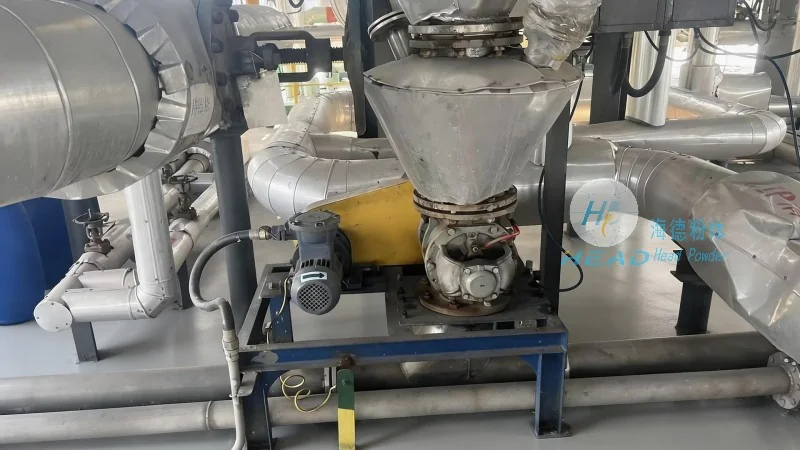
Rice pneumatic conveying systems are employed in a variety of operational scenarios across the rice processing industry. One common application is in rice mills, where the system is used to transport raw rice from storage silos to processing units such as dehuskers or polishers. This allows for a continuous and automated flow of material, reducing manual handling and increasing production throughput. Another scenario involves the transportation of rice from processing facilities to packaging lines, where the system can deliver the product directly into packaging machines without the need for intermediate handling. In storage facilities, pneumatic conveying systems are used to transfer rice between different storage silos or to move the product from the storage area to the processing plant. These systems are also utilized in bulk handling operations, where rice is transported over longer distances or between different facilities. The versatility of pneumatic conveying systems makes them suitable for various operational requirements, from small-scale processing plants to large industrial facilities.
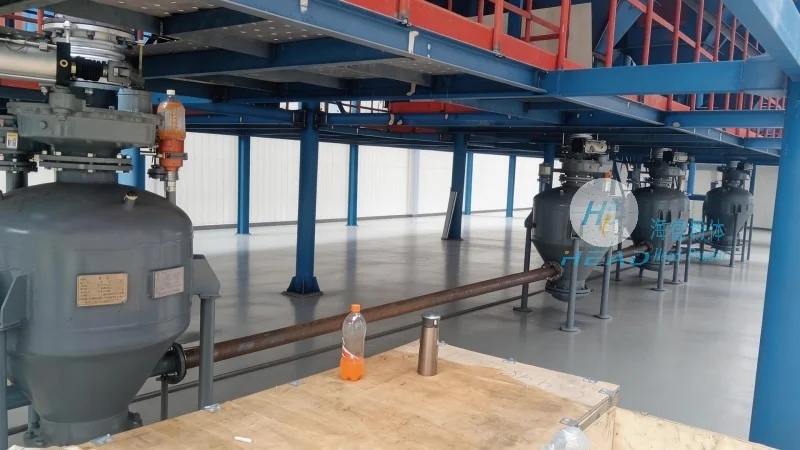
Implementing a rice pneumatic conveying system offers several advantages over traditional methods of material handling. One of the most significant benefits is the reduction in labor costs and manual handling, as the system automates the transport process. This not only improves efficiency but also enhances workplace safety by minimizing the risk of accidents associated with manual lifting and moving of heavy bags or containers. Another advantage is the improved product quality, as pneumatic systems reduce the risk of damage or contamination during transit. The enclosed pipeline system prevents exposure to dust, moisture, or other contaminants, ensuring the rice remains in optimal condition. Additionally, pneumatic conveying systems offer better control over material flow, allowing for precise regulation of the quantity and speed of transport. This level of control is particularly important in processing operations where consistent material feed is critical for maintaining product quality and operational efficiency. Furthermore, the systems are relatively compact and can be easily integrated into existing processing facilities, making them a practical solution for both new and existing operations.
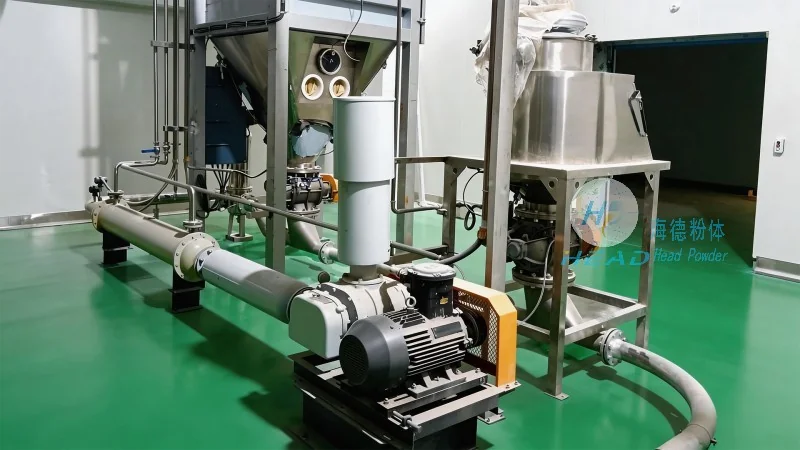
When selecting a rice pneumatic conveying system, several factors must be considered to ensure optimal performance and suitability for the specific application. The first consideration is the material characteristics of the rice, including its bulk density, moisture content, and particle size. These factors influence the system's design, such as the size of the conveying pipeline and the power requirements of the air supply unit. The distance and elevation changes between the start and end points of the transport also play a crucial role in determining the system's capacity and efficiency. For example, longer distances or significant elevation changes may require more powerful air supply units or additional components like cyclones to maintain material flow. The system's capacity, measured in terms of the volume of rice transported per hour, must match the production requirements of the facility. Additionally, the system's durability and maintenance requirements should be evaluated, as rice can be abrasive and may cause wear on components over time. Choosing a system from a reputable manufacturer, such as Shandong HeadPowder Engineering Co., Ltd., based in China, ensures access to high-quality components and reliable technical support.
Rice pneumatic conveying systems are a vital component of modern rice processing and handling operations. By leveraging the principles of pneumatic transport, these systems offer an efficient, reliable, and safe method for moving rice and related grains. The key to successful implementation lies in understanding the operational requirements, selecting the appropriate components, and ensuring proper maintenance. With the right system in place, rice processing facilities can enhance their operational efficiency, improve product quality, and reduce costs. As the demand for efficient grain handling solutions continues to grow, pneumatic conveying systems remain a preferred choice for rice producers and processors worldwide.

 Shandong Headpowder Engineering Co., Ltd.
 156-6277-7102(Manager Zhang)
  0531-83386006
  Zhangqiu District, Jinan City, Shandong Province, China
telephone
WeChatconsult
top