

Principle and Working Scene Characteristics of Continuous Material Loading Pneumatic Conveying Syste
HeadPowder, a leading manufacturer based in Shandong, China, specializes in the design and development of advanced continuous material loading pneumatic conveying systems. These systems represent a sophisticated solution for the efficient transport of bulk materials over varying distances and within diverse industrial settings. This article delves into the fundamental principles behind such systems and highlights the key characteristics that define their operational effectiveness in real-world applications.
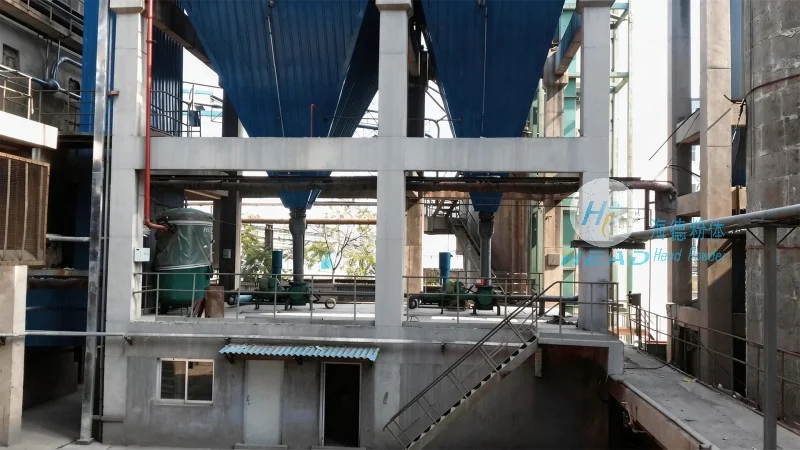
Principle of Operation for Pneumatic Conveying Systems
The core principle of a continuous material loading pneumatic conveying system revolves around the use of air as the primary medium to transport bulk materials. Unlike traditional mechanical conveyors, which rely on mechanical components like belts or screws, pneumatic systems utilize compressed air to create a flow that propels the material through a pipeline. The system typically consists of a hopper for material storage, a feeder to control the flow rate, a conveying line, and a receiver for the discharged material. The operation begins when material is fed into the hopper, and the feeder regulates the amount of material entering the conveying line. Compressed air is then introduced into the line, creating a pressure differential that drives the material forward. The air velocity and pressure are carefully controlled to ensure the material is conveyed without degradation or blockage. This principle allows for a continuous, unbroken flow of material, which is particularly advantageous for high-volume applications where uninterrupted operation is critical.
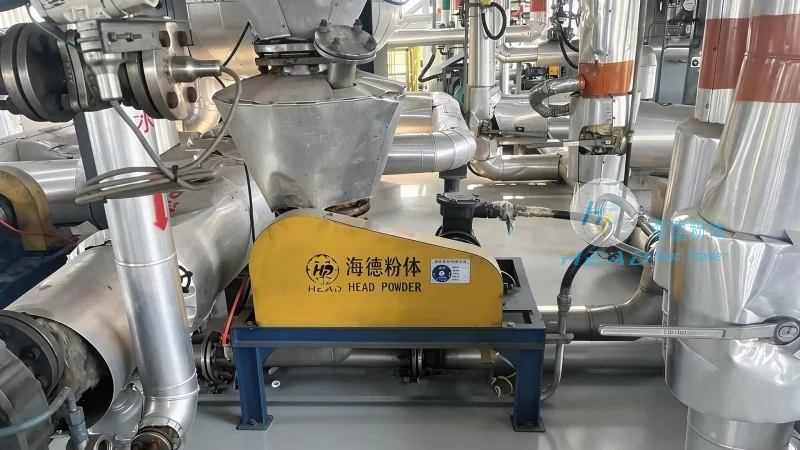
Key Working Scene Characteristics
One of the most notable characteristics of continuous material loading pneumatic conveying systems is their ability to operate in a continuous mode, eliminating the need for stop-and-go cycles typical of batch systems. This continuous operation significantly enhances productivity and reduces downtime, making them ideal for high-throughput industrial processes. Additionally, these systems are highly versatile and can handle a wide range of materials, including powders, granules, and even fine particles, without the risk of material degradation or contamination. The flexibility in material handling is further enhanced by the ability to adjust air pressure and flow rates to accommodate different material properties and conveying distances. Another key characteristic is the compact design of the system, which requires minimal floor space compared to traditional conveyors, making it suitable for installations in confined areas or existing facilities. The system's ability to integrate seamlessly with existing production lines also contributes to its widespread adoption in various industries.
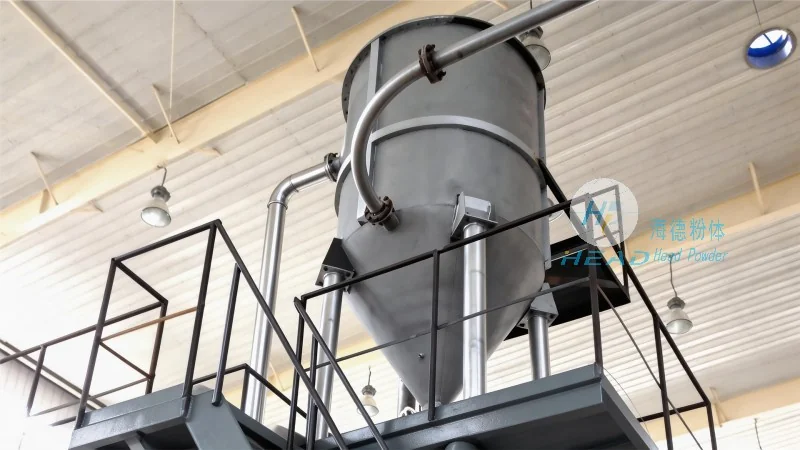
Application Scenarios and Practical Implementation
Continuous material loading pneumatic conveying systems find extensive application across multiple industries, including pharmaceuticals, food processing, chemical manufacturing, and mining. In the pharmaceutical industry, for example, these systems are used to transport raw materials and finished products with strict hygiene requirements, ensuring that the material remains clean and free from contamination. The food processing sector utilizes them for conveying ingredients like flour, sugar, and spices, where maintaining product quality and preventing cross-contamination is paramount. In chemical manufacturing, the systems handle various powders and granules, such as catalysts and reagents, where precise control over material flow is essential for process efficiency. The mining industry also benefits from these systems, as they efficiently transport bulk materials like ore and coal over long distances with minimal maintenance. Each application leverages the system's continuous operation and adaptability to meet the specific demands of the industry, ensuring reliable and efficient material transport.
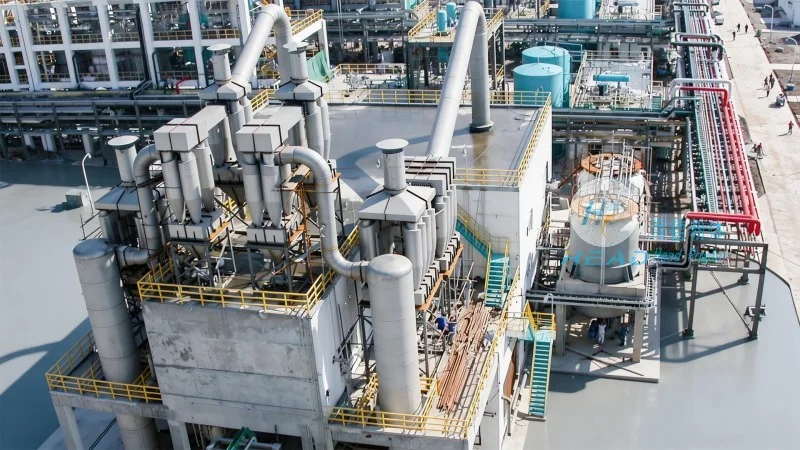
Technical Advantages and Efficiency
The technical advantages of continuous material loading pneumatic conveying systems contribute to their superior performance and efficiency. The use of compressed air as the conveying medium allows for a smooth and consistent flow of material, reducing the risk of blockages or material degradation that can occur with mechanical systems. The system's ability to operate continuously minimizes downtime and maximizes production output, leading to significant cost savings over time. Additionally, the compact design and modular construction of the system make it easy to install and maintain, reducing the overall operational costs. The adjustable air pressure and flow rates provide flexibility in handling different materials and conveying distances, ensuring optimal performance under varying conditions. The system's reliability and low maintenance requirements further enhance its appeal, making it a preferred choice for industries that demand consistent and high-quality material transport. Overall, the combination of these technical advantages positions continuous material loading pneumatic conveying systems as a highly effective solution for modern industrial material handling needs.