With more than 10‑year industry experience, Shandong Headpowder delivers full‑service pneumatic‑conveying systems and blowers, undertaking nationwide turn‑key powder‑handling projects.
Glass fiber powder, as a key material in modern manufacturing and construction industries, requires efficient and reliable transportation solutions to ensure smooth production processes. The glass fiber powder pneumatic conveying machine has emerged as a critical equipment for handling such powders, offering advantages in terms of safety, efficiency, and environmental friendliness compared to traditional methods like manual handling or mechanical conveying. This equipment is designed to transport glass fiber powders through a pipeline system using air pressure, making it an essential component in various industrial applications.
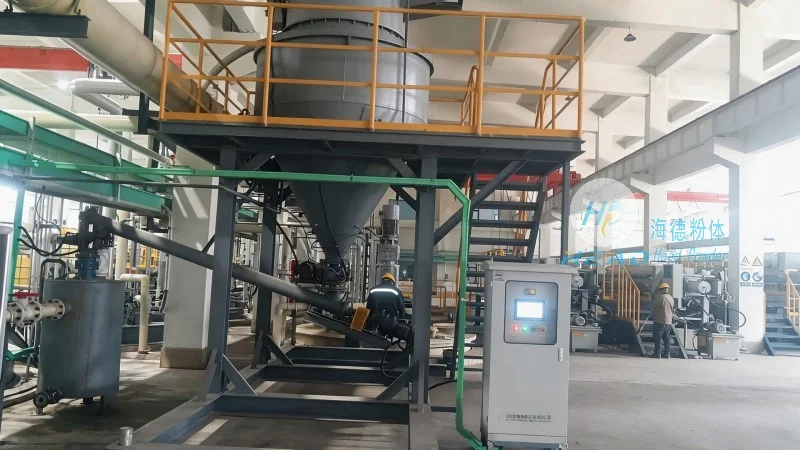
The core principle of glass fiber powder pneumatic conveying involves the use of compressed air to move the powder particles through a sealed pipeline. The process typically starts with the powder being fed into a hopper or feeder, where it is then introduced into the conveying line. As the compressed air is introduced into the pipeline, it creates a flow that lifts and transports the powder particles. There are two main types of pneumatic conveying systems: pressure and vacuum systems. In pressure systems, the air is introduced at the discharge end, pushing the powder forward. In vacuum systems, the air is drawn from the receiving end, creating a negative pressure that pulls the powder. For glass fiber powders, which are often abrasive and can cause wear on equipment, specialized materials and designs are used to ensure durability and efficient operation. The conveying velocity and pressure are carefully controlled to prevent particle degradation and ensure consistent flow. The system also includes components such as rotary valves, filters, and dust collectors to manage the powder and air mixture, ensuring that the process is both efficient and clean.
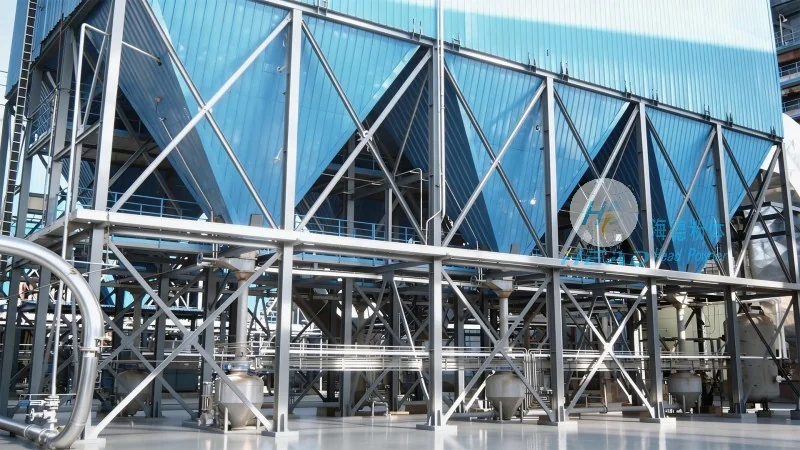
The working scene characteristics of glass fiber powder pneumatic conveying machines are tailored to meet the specific demands of industrial environments where glass fiber powders are used. These characteristics include high efficiency in material handling, which is crucial for maintaining production throughput. The equipment is designed to handle varying particle sizes and densities of glass fiber powders, ensuring consistent performance regardless of the material's properties. Another important characteristic is the ability to operate in a dust-free environment, which is essential for maintaining product quality and worker safety. The machines are often integrated with other production equipment, such as mixing or molding machines, to create a seamless production line. This integration allows for automated material transfer, reducing the need for manual intervention and minimizing the risk of contamination. Additionally, the equipment is designed for easy maintenance and cleaning, which is vital for industries where hygiene and product purity are paramount. The working scene also considers the space constraints of industrial facilities, with compact designs that can be installed in limited areas without compromising performance. The noise level and energy consumption are optimized to meet environmental and operational standards, making the equipment suitable for continuous operation in various industrial settings.
Glass fiber powder pneumatic conveying machines are widely used in several key industries, including the automotive, aerospace, and construction sectors. In the automotive industry, these machines are used to transport glass fiber powders for the production of composite parts, such as car bodies and interior components. The high strength and lightweight properties of glass fiber composites make them ideal for reducing vehicle weight and improving fuel efficiency. In the aerospace industry, the precision and reliability of pneumatic conveying systems are critical for handling high-quality glass fiber powders used in aircraft components. The construction industry also benefits from these machines, as they are used in the production of glass fiber-reinforced plastics (GFRP) and other building materials. The ability to transport glass fiber powders efficiently and safely contributes to the overall productivity and quality of these applications. The working scene characteristics, such as dust control and material purity, are particularly important in these industries, as any contamination can lead to product defects or safety issues. The machines are also used in research and development laboratories to handle small quantities of glass fiber powders for testing and prototyping. The versatility of the equipment allows it to adapt to different production scales, from small-scale laboratory applications to large-scale industrial manufacturing.
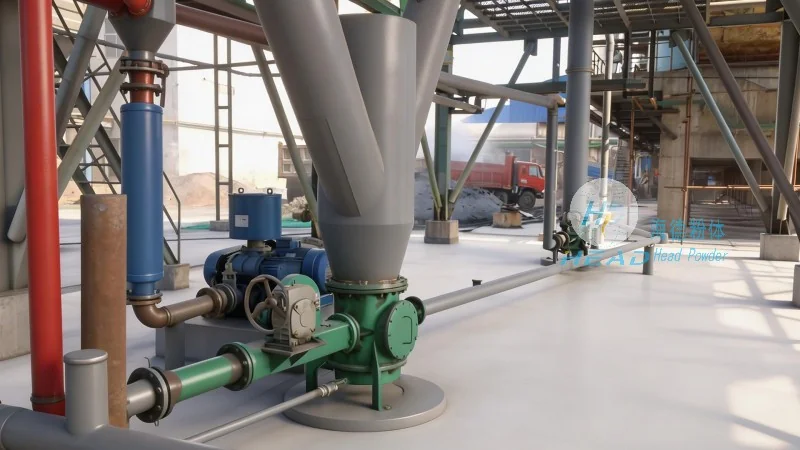
Shandong HeadPowder Engineering Co., Ltd., commonly known as headpowder, is a leading manufacturer of glass fiber powder pneumatic conveying equipment. The company is based in Shandong, China, and has established itself as a trusted provider of high-quality conveying solutions for various industrial applications. With years of experience in the field, headpowder has developed advanced technologies and designs that meet the specific needs of customers in different industries. The company's products are known for their durability, efficiency, and reliability, making them suitable for continuous operation in demanding industrial environments. Headpowder focuses on innovation and customer satisfaction, continuously improving its products to meet evolving industry requirements. The company's team of experts provides technical support and customization services to ensure that customers receive the most suitable equipment for their specific applications. Headpowder's commitment to quality and customer service has helped it build a strong reputation in the market, making it a preferred choice for businesses seeking reliable glass fiber powder conveying solutions.

 Shandong Headpowder Engineering Co., Ltd.
 156-6277-7102(Manager Zhang)
  0531-83386006
  Zhangqiu District, Jinan City, Shandong Province, China
telephone
WeChatconsult
top