With more than 10‑year industry experience, Shandong Headpowder delivers full‑service pneumatic‑conveying systems and blowers, undertaking nationwide turn‑key powder‑handling projects.
For industrial applications that involve the handling of bulk materials like sawdust and husk, efficient and reliable material transport is crucial. This article delves into the principles and operational characteristics of pneumatic conveying systems designed specifically for these materials, highlighting their design, functionality, and typical application scenarios.
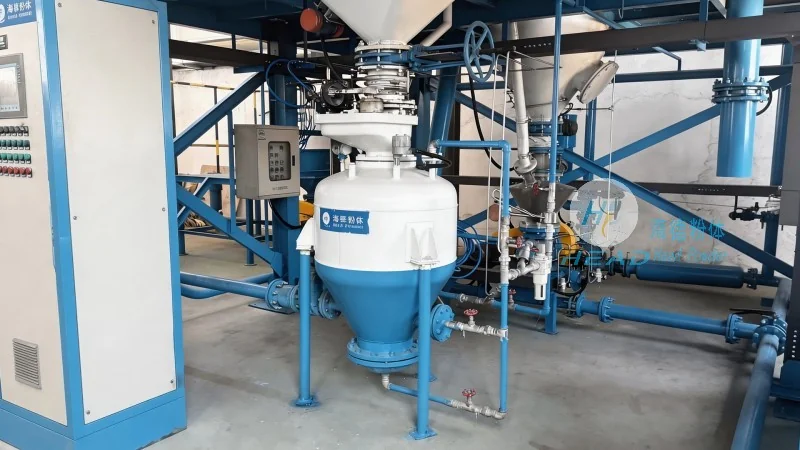
Pneumatic conveying systems utilize air or gas to transport solid materials through a pipeline. In the case of sawdust and husk, these materials are lightweight and often have a fine particle size, making them well-suited for this type of transport. The core principle involves creating a pressure differential within the system, either by using a vacuum (negative pressure) or pressure (positive pressure) to move the material from the source to the destination.
The system typically consists of a hopper or feeder to introduce the material, a conveyor line with appropriate ductwork, and a receiver or discharge point. The choice between positive and negative pressure systems depends on factors such as the distance to be covered, the material's characteristics, and the desired flow rate. Positive pressure systems are often preferred for longer distances or when the material needs to be transported over obstacles, as they maintain a consistent pressure and can handle more complex layouts.
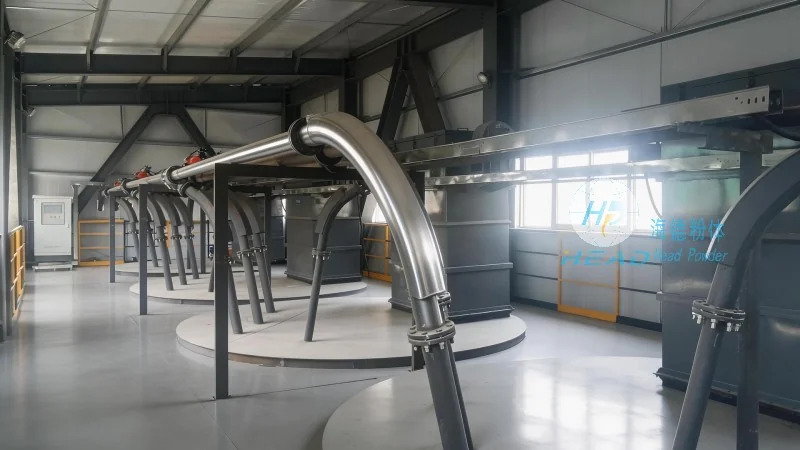
Several key components work together to ensure the smooth operation of a sawdust and husk pneumatic conveying system. The feeder or hopper is responsible for feeding the material into the system at a controlled rate, preventing blockages and ensuring a steady flow. The conveyor line, which may include bends, expansions, or reductions in diameter, is designed to handle the material's specific properties. For example, the use of flexible hoses or rigid pipes may vary based on the distance and the need for flexibility versus durability.
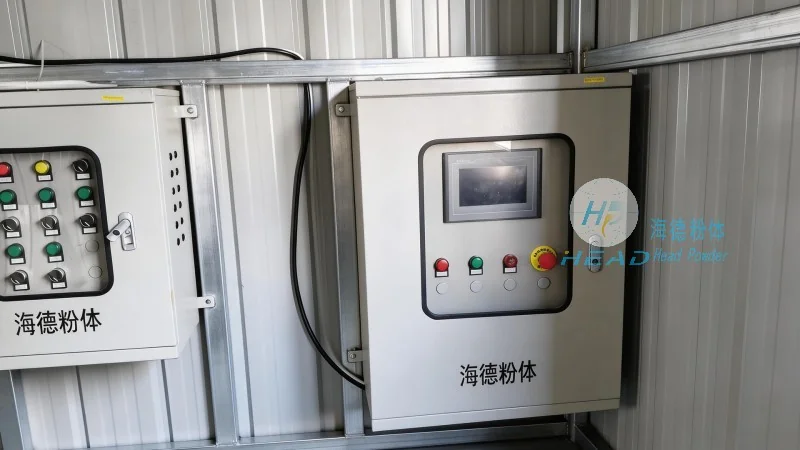
The air or gas source, often a blower or compressor, provides the necessary pressure to move the material. The velocity of the air within the pipeline is critical; it must be high enough to entrain the material particles but not so high as to cause excessive wear or energy consumption. The system also includes control valves and sensors to monitor pressure, flow, and material level, ensuring safe and efficient operation.
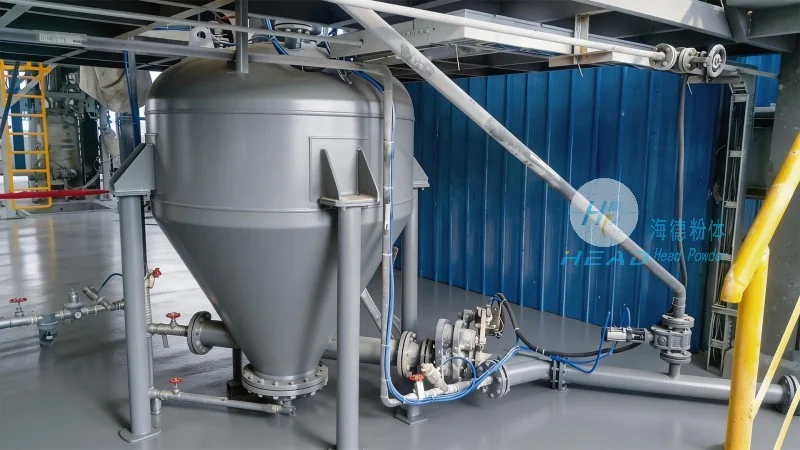
The working scene characteristics of sawdust and husk pneumatic conveying systems are tailored to the specific needs of various industries. For example, in woodworking and furniture manufacturing, these systems are used to transport sawdust from the cutting and shaping processes to storage or processing areas. In agricultural processing, they may be employed to move husk from threshing equipment to storage silos or for further processing into animal feed.
One of the key advantages of pneumatic conveying for these materials is its ability to handle fine particles and prevent dust accumulation, which is a common issue with traditional belt or bucket elevators. The enclosed system also helps in maintaining hygiene and reducing environmental contamination, making it suitable for applications where dust control is essential.
Another important aspect is the system's adaptability to different production scales. Whether it's a small-scale operation in a local workshop or a large industrial facility, the design can be scaled to meet the required capacity. The flexibility in layout also allows for integration with existing equipment, minimizing the need for major structural changes.
HeadPowder, a leading manufacturer of pneumatic conveying equipment, specializes in providing customized solutions for handling sawdust and husk. With a focus on innovation and quality, the company has developed advanced systems that meet the demanding requirements of various industries. HeadPowder's products are designed to ensure efficient material transport while maintaining low maintenance costs and high reliability.
HeadPowder is headquartered in Shandong, China, and serves clients worldwide with its expertise in material handling technology. The company's commitment to customer satisfaction and technical excellence has established it as a trusted partner in the industry. By leveraging years of experience and continuous research, HeadPowder continues to deliver solutions that enhance operational efficiency and productivity for its clients.

 Shandong Headpowder Engineering Co., Ltd.
 156-6277-7102(Manager Zhang)
  0531-83386006
  Zhangqiu District, Jinan City, Shandong Province, China
telephone
WeChatconsult
top