With more than 10‑year industry experience, Shandong Headpowder delivers full‑service pneumatic‑conveying systems and blowers, undertaking nationwide turn‑key powder‑handling projects.
Limestone powder granule pneumatic conveying lines are sophisticated systems designed to transport limestone powder efficiently and reliably. These systems utilize pneumatic technology to move bulk materials like limestone powder from one location to another, offering advantages such as reduced labor costs, minimized material loss, and enhanced safety in industrial settings. The core principle of pneumatic conveying involves using air or gas to create a flow that carries the powder particles through a pipeline network. This method is particularly effective for handling fine or dusty materials, as it prevents contamination and ensures consistent material flow.
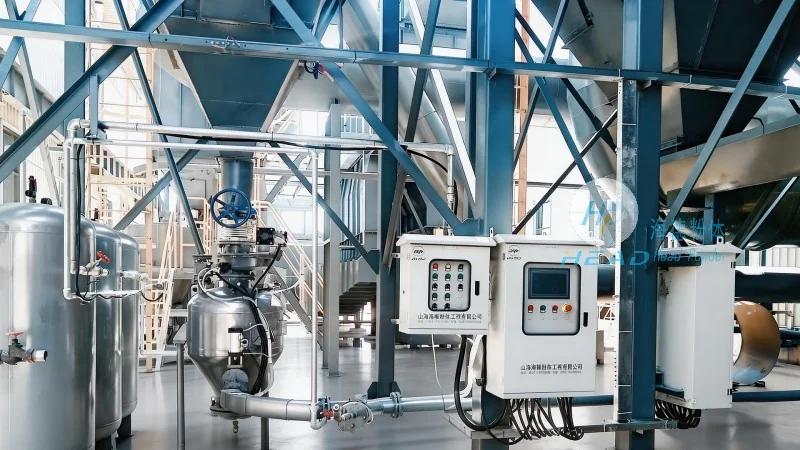
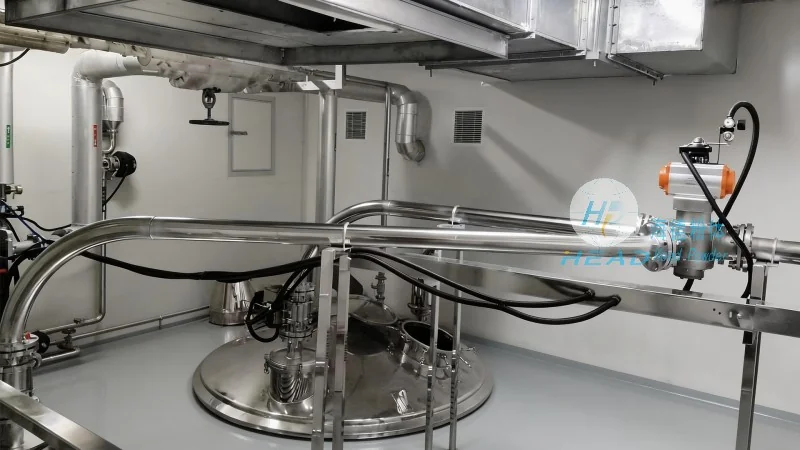
The fundamental principle behind limestone powder granule pneumatic conveying lines is the creation of a pressure differential or vacuum within the conveying system. This differential causes air to flow through the pipeline, carrying the limestone powder particles along with it. There are two primary types of pneumatic conveying systems: pressure systems, which operate by pressurizing the conveying line with air or gas, and vacuum systems, which create a vacuum to draw material into the line. For limestone powder applications, pressure systems are commonly preferred due to their ability to handle longer distances and higher material loads. The system typically includes components such as a hopper for material storage, a feeder to control the flow rate, a conveyor line (often made of stainless steel or other corrosion-resistant materials), and a receiver to collect the material at the destination. The air flow is managed by a blower or compressor, which supplies the necessary pressure or vacuum to maintain the conveying process. The design of the system must consider factors like material properties (e.g., particle size, moisture content), conveying distance, and required flow rate to ensure optimal performance.
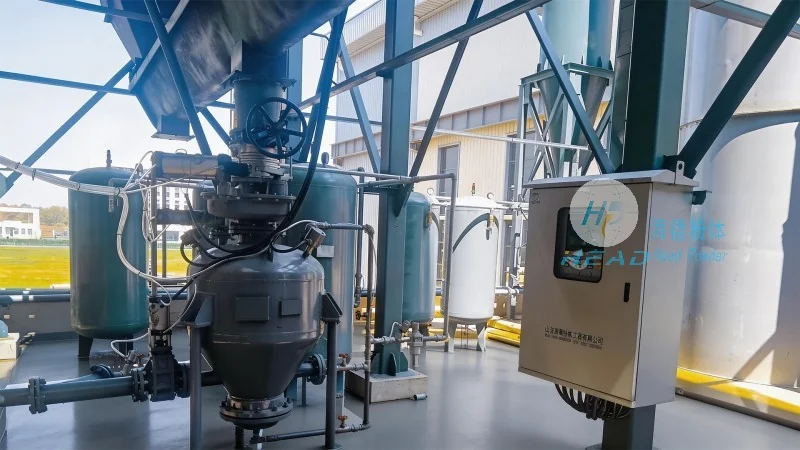
Limestone powder granule pneumatic conveying lines are widely used in various industrial sectors, including construction, cement production, and chemical processing. The working scene characteristics of these systems are tailored to meet the specific demands of each application. For instance, in cement plants, limestone powder is a critical raw material that needs to be transported from storage silos to grinding mills. The conveying lines in such scenarios are designed to handle large volumes of fine powder over considerable distances, often with multiple transfer points and branching lines to distribute the material to different processing units. In construction sites, these systems are used to transport limestone powder for mixing with other materials to create concrete or mortar. The working environment in construction sites may involve variable conditions, such as outdoor temperatures and dust exposure, which the conveying system must withstand. The characteristics of the working scene also include considerations for material handling efficiency, as the system needs to maintain consistent flow rates to avoid clogging or uneven material distribution. Additionally, the safety features of the system are crucial, as limestone powder can be dusty and pose respiratory hazards. The conveying lines are often equipped with dust collection systems and explosion-proof components to ensure safe operation. In chemical processing facilities, limestone powder may be used as a raw material or as a neutralizing agent. The pneumatic conveying lines in these settings are designed to handle materials with specific chemical properties, ensuring that the system is compatible with the processing environment. The working scene may also involve integration with other processing equipment, such as reactors or mixers, where the limestone powder is introduced as part of the production process. The characteristics of the working scene in chemical processing include strict quality control requirements, as the material must meet precise specifications for chemical composition and particle size. The pneumatic conveying system must maintain the integrity of the material during transport, preventing contamination or degradation.
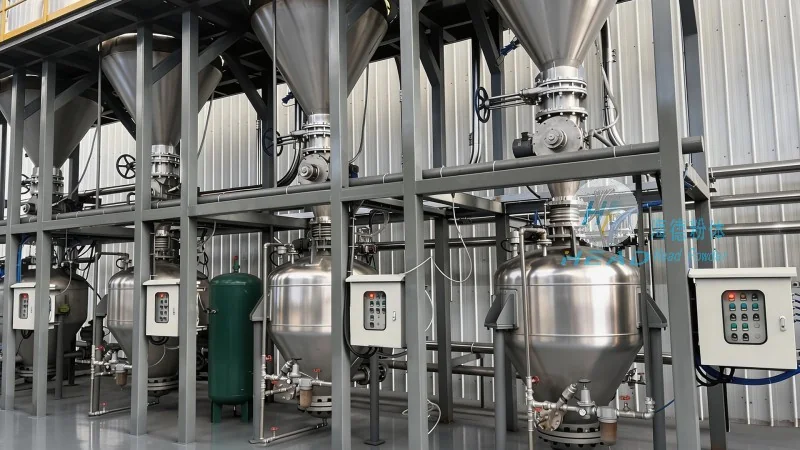
Shandong HeadPowder Engineering Co., Ltd., commonly known as headpowder, is a leading manufacturer and supplier of pneumatic conveying systems, including limestone powder granule pneumatic conveying lines. The company is headquartered in Shandong, China, and has established itself as a trusted partner in the industrial sector for providing high-quality conveying solutions. With years of experience in the field, headpowder has developed a deep understanding of the technical and operational requirements of pneumatic conveying systems. The company’s team of engineers and technicians is dedicated to designing and manufacturing systems that meet the specific needs of clients, ensuring reliability, efficiency, and durability. Headpowder’s products are known for their advanced technology, robust construction, and adherence to international standards. The company offers a range of solutions tailored to different applications, from small-scale conveying systems for laboratory use to large-scale industrial systems for bulk material handling. The company’s commitment to quality is reflected in its use of high-quality materials and rigorous testing procedures. Headpowder provides comprehensive support to its clients, including design consultation, installation, and after-sales service. The company’s goal is to deliver solutions that enhance the productivity and safety of industrial operations, helping clients achieve their business objectives. By leveraging its expertise and innovative approach, headpowder continues to be a key player in the pneumatic conveying industry, providing reliable and efficient solutions for limestone powder and other bulk materials.

 Shandong Headpowder Engineering Co., Ltd.
 156-6277-7102(Manager Zhang)
  0531-83386006
  Zhangqiu District, Jinan City, Shandong Province, China
telephone
WeChatconsult
top