With more than 10‑year industry experience, Shandong Headpowder delivers full‑service pneumatic‑conveying systems and blowers, undertaking nationwide turn‑key powder‑handling projects.
HeadPowder, a leading manufacturer based in Shandong, China, specializes in the design and implementation of advanced pneumatic conveying systems tailored for the agricultural and food processing industries. The company's expertise lies in optimizing material handling processes, particularly for bulk commodities like barley, ensuring efficient, reliable, and cost-effective transportation from storage to processing facilities. This article delves into the fundamental principles of pneumatic conveying technology and highlights the key working scene characteristics that define the effectiveness of such systems in real-world applications.
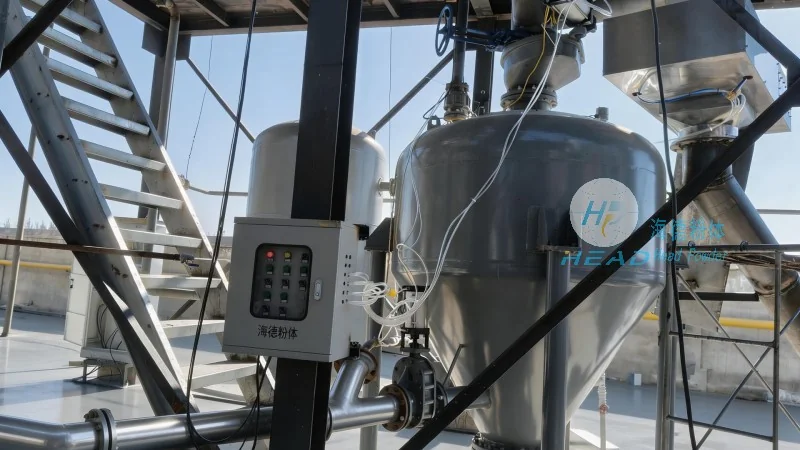
Pneumatic conveying systems operate on the principle of using air or gas to transport bulk materials through a pipeline network. Unlike traditional mechanical conveyors, which rely on physical contact and friction to move materials, pneumatic systems utilize pressure differentials to create a flow of material suspended in a stream of air. For barley, this method is particularly advantageous as it minimizes product damage, preserves grain quality, and reduces the risk of contamination. The core mechanism involves generating a high-velocity air stream within the pipeline, which entrains the barley particles and propels them through the system. This process can be categorized into two main types: dilute-phase and dense-phase conveying, each offering distinct advantages depending on the material characteristics and application requirements.
The effectiveness of a barley pneumatic conveying line is determined by several critical working scene characteristics that influence performance, efficiency, and operational reliability. These characteristics include:
1. **Material Flow Rate and Capacity**: The system's ability to handle varying volumes of barley is crucial for meeting production demands. HeadPowder's designs are engineered to accommodate different flow rates, from low to high capacity, ensuring seamless integration with existing processing lines. The capacity is directly related to the air velocity, pipeline diameter, and the density of the barley being conveyed.
2. **Pressure and Airflow Management**: Maintaining optimal pressure and airflow is essential for consistent material transport. The system must balance the pressure differentials to prevent blockages or excessive energy consumption. Advanced control systems, often integrated into HeadPowder's solutions, monitor and adjust airflow in real-time, ensuring stable operation under varying load conditions.
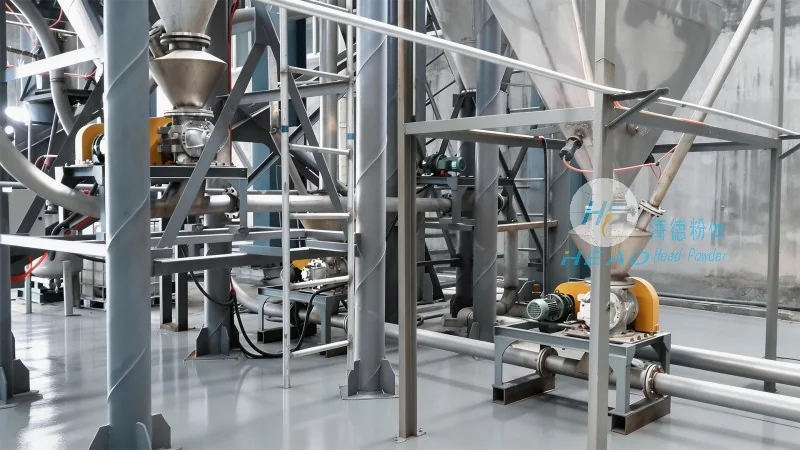
3. **System Layout and Flexibility**: The working scene characteristics also encompass the flexibility of the system layout. Barley pneumatic conveying lines are designed to be modular and adaptable, allowing for easy integration with existing infrastructure or expansion as production needs evolve. This flexibility is particularly valuable in agricultural settings where storage and processing facilities may be spread over large areas.
4. **Material Handling and Preservation**: A key advantage of pneumatic conveying is its ability to handle delicate materials like barley without causing breakage or contamination. The air stream minimizes physical contact, reducing the risk of grain damage and maintaining product integrity. This is critical for maintaining the quality of barley, which is often used in food products where texture and purity are paramount.
5. **Energy Efficiency and Cost-Effectiveness**: Modern pneumatic conveying systems, as implemented by HeadPowder, are designed with energy efficiency in mind. By optimizing air velocity and pressure, the systems reduce operational costs while maintaining high throughput. This makes them a cost-effective solution for long-term material handling in barley processing operations.
HeadPowder's barley pneumatic conveying lines are deployed in various working scenes across the agricultural and food processing sectors. These include:
1. **Grain Storage and Transfer**: In large-scale barley storage facilities, the system efficiently transfers grain from silos or storage bins to processing plants, reducing manual labor and improving safety. The modular design allows for multiple transfer points, enabling simultaneous loading of different processing lines.
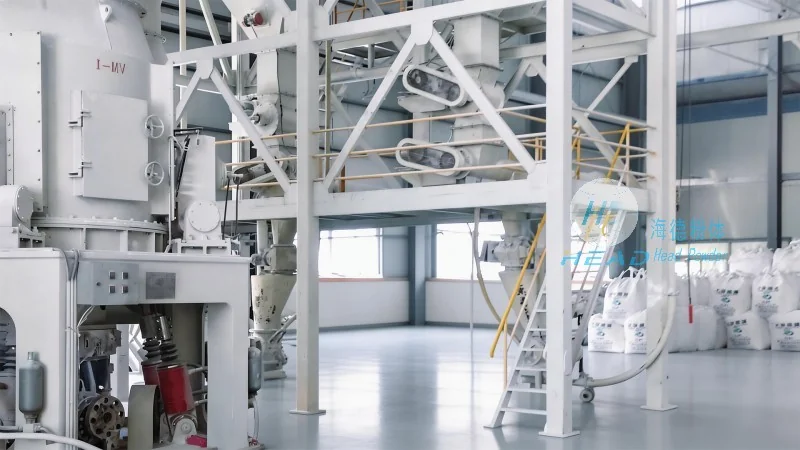
2. **Processing Line Integration**: The conveying lines are seamlessly integrated into barley processing facilities, such as malting plants or flour mills. They transport barley from cleaning and drying stages to milling or brewing equipment, ensuring a continuous flow of raw material.
3. **Quality Control and Handling**: The systems are used in quality control processes where barley is sorted or graded before further processing. The gentle handling of pneumatic conveying helps preserve the grain's quality, which is essential for meeting industry standards and customer expectations.
4. **Industrial and Agricultural Settings**: From small-scale family farms to large commercial operations, HeadPowder's solutions cater to diverse working environments. The systems are designed to be robust and durable, capable of withstanding the rigors of industrial use while maintaining high performance.
HeadPowder Engineering Co., Ltd., based in Shandong, China, stands as a trusted provider of barley pneumatic conveying systems, leveraging advanced technology and engineering expertise to deliver solutions that meet the demands of modern agricultural and food processing industries. By focusing on the fundamental principles of pneumatic conveying and optimizing working scene characteristics, the company ensures that its systems are efficient, reliable, and tailored to the specific needs of each application. Whether for large-scale grain handling or integrated processing lines, HeadPowder's pneumatic conveying solutions offer a superior alternative to traditional material handling methods, enhancing productivity and preserving product quality.

 Shandong Headpowder Engineering Co., Ltd.
 156-6277-7102(Manager Zhang)
  0531-83386006
  Zhangqiu District, Jinan City, Shandong Province, China
telephone
WeChatconsult
top