With more than 10‑year industry experience, Shandong Headpowder delivers full‑service pneumatic‑conveying systems and blowers, undertaking nationwide turn‑key powder‑handling projects.
Alumina particle pneumatic conveying systems are critical equipment in industrial processes, particularly in the chemical and material processing sectors. These systems are designed to transport alumina particles efficiently and safely, ensuring consistent performance and minimal material loss. The technology behind these systems combines pneumatic principles with mechanical components to achieve reliable material handling. In this article, we will explore the working principle and key features of such equipment, highlighting how they contribute to operational efficiency in alumina processing facilities.
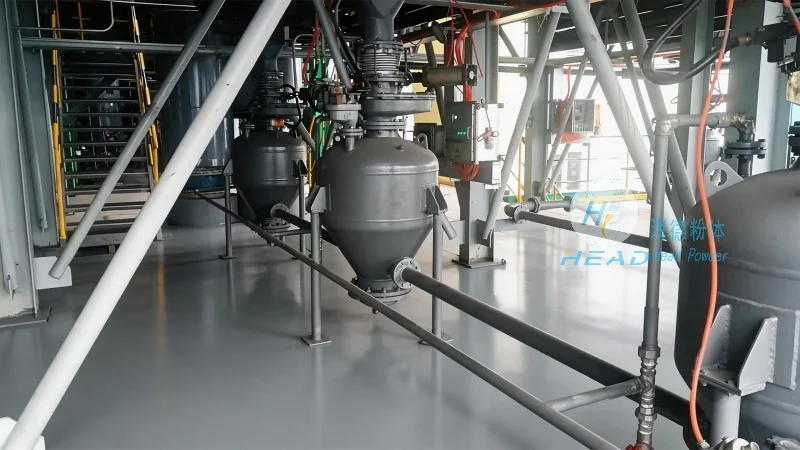
HeadPowder, a leading manufacturer in the field of material handling equipment, specializes in the design, development, and production of pneumatic conveying systems. With a strong presence in China, particularly in Shandong, the company has built a reputation for delivering high-quality, durable, and efficient solutions tailored to the needs of various industries. The company's commitment to innovation and customer satisfaction has positioned it as a trusted partner for businesses requiring reliable alumina particle transport solutions.
At the core of alumina particle pneumatic conveying systems is the use of air or gas to transport solid particles. The process typically involves a few key components: a hopper for material storage, a conveying line (often a pipe), and a fan or blower to generate the necessary airflow. The working principle can be broken down into several stages. First, alumina particles are fed into the hopper from a storage silo or bin. The fan then creates a vacuum or pressure within the conveying line, depending on the system design (either suction or pressure type). As the air flows through the pipe, it picks up the alumina particles and transports them to the destination point, such as a processing unit or storage tank. The system may also include a separator or cyclone to separate the particles from the air stream at the end of the line, ensuring that the material is deposited accurately and the air is cleaned before release.
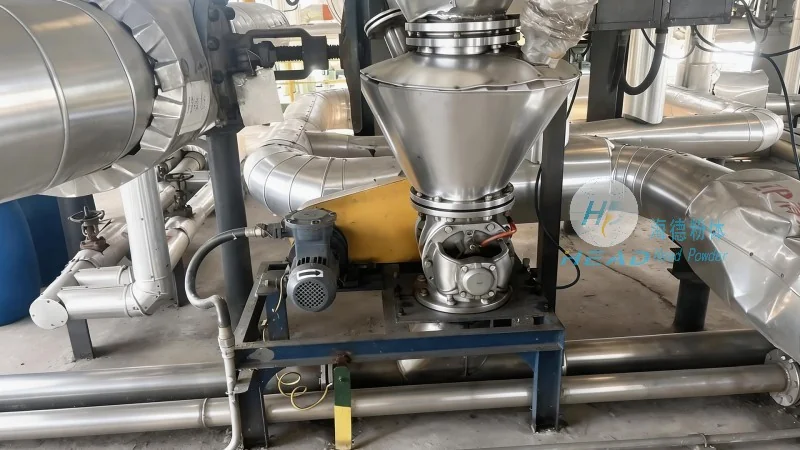
Alumina particle pneumatic conveying systems offer several advantages that make them ideal for handling this specific material. One of the primary features is their ability to transport particles over long distances without the need for mechanical components like belts or chains, which can be prone to wear and tear. This reduces maintenance costs and increases operational reliability. Additionally, these systems are highly flexible, allowing for changes in the conveying route or capacity without major modifications to the infrastructure. The design also minimizes material degradation, as the particles are not subjected to excessive friction or impact during transport. Another notable feature is the ability to handle a wide range of particle sizes and shapes, making them suitable for various alumina products, from fine powders to larger granules. The systems are also equipped with safety features, such as pressure relief valves and air filtration systems, to ensure compliance with industrial safety standards and environmental regulations.
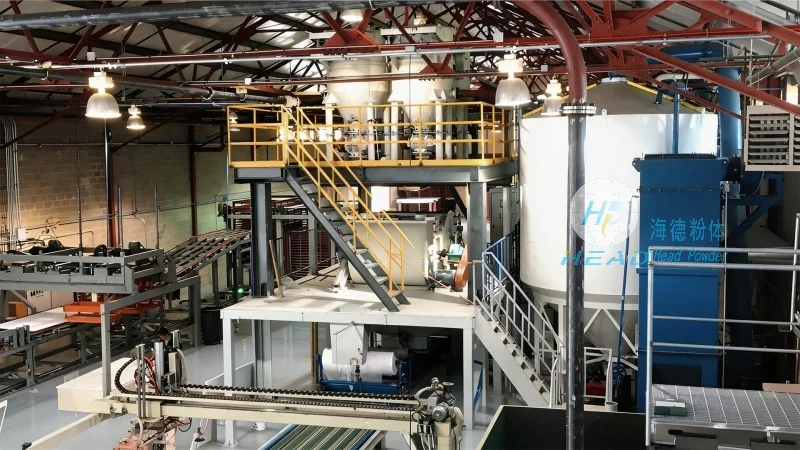
Alumina particle pneumatic conveying systems are widely used in the production of aluminum, ceramics, and other materials that involve alumina as a key component. In these applications, the systems play a crucial role in moving raw materials from storage to processing units, such as ball mills or reactors, with precision and efficiency. The benefits of using pneumatic conveying for alumina include improved process control, reduced downtime due to fewer mechanical failures, and enhanced product quality by minimizing contamination and particle breakage. Furthermore, the systems are energy-efficient compared to traditional methods, as they use air as the primary transport medium, which is less costly and more environmentally friendly. The ability to handle both dry and slightly moist alumina particles also adds to their versatility, making them suitable for diverse processing environments.
Alumina particle pneumatic conveying systems represent a sophisticated solution for material handling in industrial settings. By leveraging pneumatic technology, these systems provide reliable, efficient, and safe transport of alumina particles, contributing to the overall productivity and cost-effectiveness of alumina processing operations. Shandong HeadPowder Engineering Co., Ltd. continues to innovate in this field, developing advanced systems that meet the evolving needs of the industry. With a focus on quality, durability, and customer satisfaction, HeadPowder remains a leading provider of pneumatic conveying solutions, ensuring that businesses can achieve optimal performance in their alumina processing workflows.

 Shandong Headpowder Engineering Co., Ltd.
 156-6277-7102(Manager Zhang)
  0531-83386006
  Zhangqiu District, Jinan City, Shandong Province, China
telephone
WeChatconsult
top