With more than 10‑year industry experience, Shandong Headpowder delivers full‑service pneumatic‑conveying systems and blowers, undertaking nationwide turn‑key powder‑handling projects.
Quicklime powder pneumatic conveying systems are essential in industrial processes for efficiently transporting quicklime, a crucial material in various applications such as chemical manufacturing, construction, and environmental treatment. Understanding the working principle and key features of these systems is vital for optimizing material handling and ensuring operational efficiency. This article provides a detailed overview of the working principle and characteristics of quicklime powder pneumatic conveying systems, with a focus on the expertise of Shandong HeadPowder Engineering Co., Ltd., a leading provider based in Shandong, China.
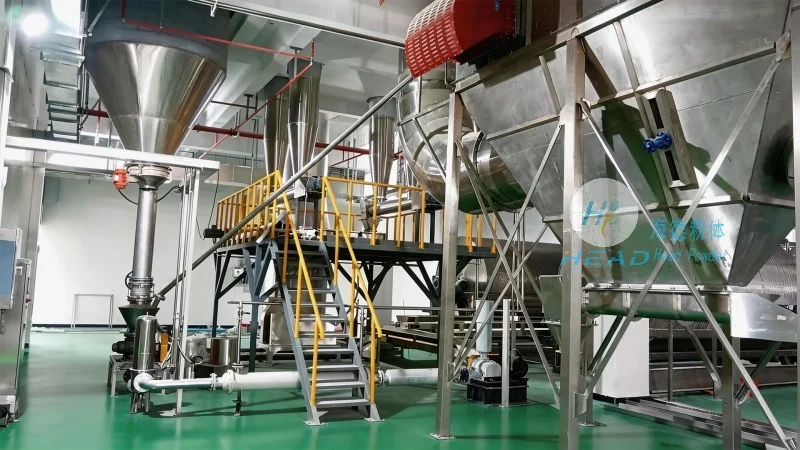
Quicklime, also known as calcium oxide (CaO), is a widely used industrial material derived from limestone through calcination. Its fine powder form requires specialized handling to maintain product integrity and ensure safe transport. Pneumatic conveying systems offer a reliable solution by using air or gas to move the powder through pipelines, eliminating the need for mechanical components like belts or buckets that may cause contamination or wear. The systems are designed to handle the unique properties of quicklime, including its reactivity and potential dust generation, while maintaining high efficiency and low maintenance costs.
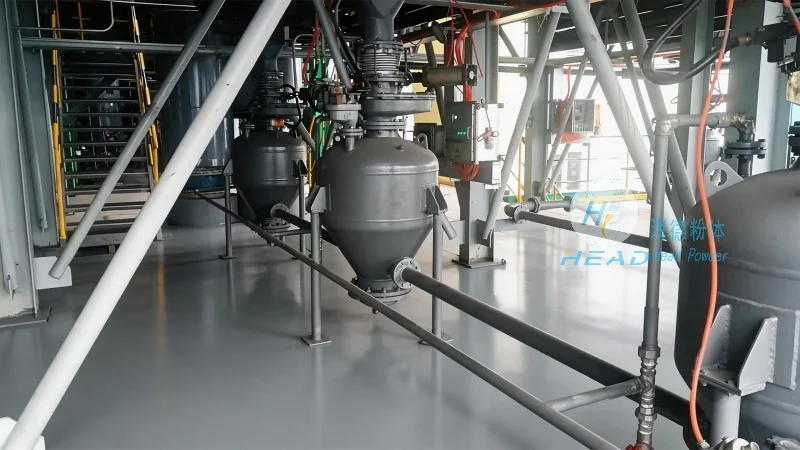
The core working principle of a quicklime powder pneumatic conveying system involves the use of a compressor or blower to generate airflow that propels the powder particles through a network of pipes. There are two primary types of pneumatic conveying systems: positive pressure and negative pressure. Positive pressure systems, also known as pressure or dense phase systems, use high-pressure air to push the material through the pipeline, often at a lower velocity to minimize particle degradation. Negative pressure systems, or vacuum systems, use a vacuum to draw the material into the pipeline, typically at higher velocities. For quicklime, which is highly reactive and can cause caking or blockages, positive pressure systems are commonly preferred as they provide better control over particle flow and reduce the risk of material buildup. The system typically consists of a hopper for material storage, a feeder to control the flow rate, a compressor to generate the necessary air pressure, and a pipeline network that transports the powder to the destination. The process begins when the quicklime is discharged from the hopper into the feeder, which meters the material at a consistent rate. The feeder then transfers the powder into the pipeline, where it is mixed with the compressed air. The air-powder mixture travels through the pipeline to the discharge point, where the air is separated from the powder, often using a cyclone separator or a filter, and the powder is collected in a receiving hopper or directly into the process equipment.
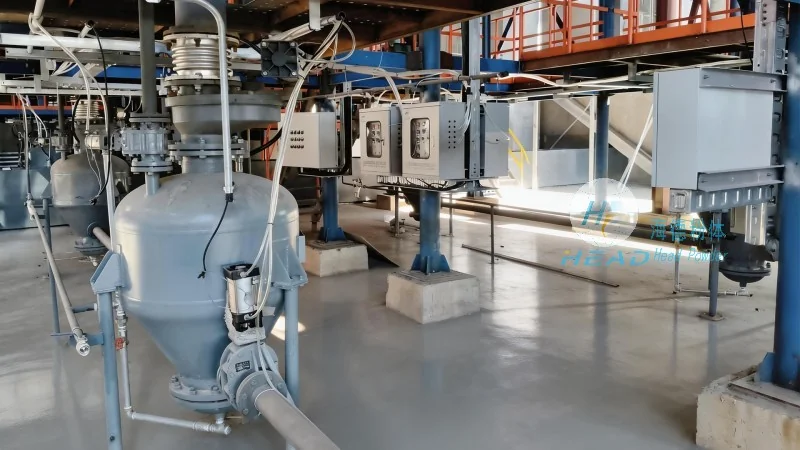
Quicklime powder pneumatic conveying systems offer several advantages that make them an ideal choice for industrial applications. One of the primary features is their ability to handle fine powders without causing segregation or degradation. The systems are designed to maintain the particle size distribution and chemical properties of the quicklime, which is critical for downstream processes. Another key feature is the high efficiency in material transport, as the systems can move large quantities of powder over long distances with minimal energy consumption compared to traditional methods like trucks or conveyor belts. Safety is also a significant advantage, as the enclosed pipeline system prevents dust exposure and reduces the risk of dust explosions, which are a major concern with powders like quicklime. The systems are also relatively low maintenance, with fewer moving parts compared to mechanical conveyors, reducing downtime and operational costs. Additionally, the systems can be easily integrated with existing industrial infrastructure, allowing for seamless integration into production lines. The flexibility of pneumatic conveying systems allows for adjustments in flow rate and pressure to accommodate varying production demands, providing adaptability in different operational scenarios. Environmental considerations are also addressed, as the systems minimize material loss and dust emissions, contributing to a cleaner and safer working environment. The systems are designed to comply with industry standards for dust control and air quality, ensuring compliance with regulatory requirements.
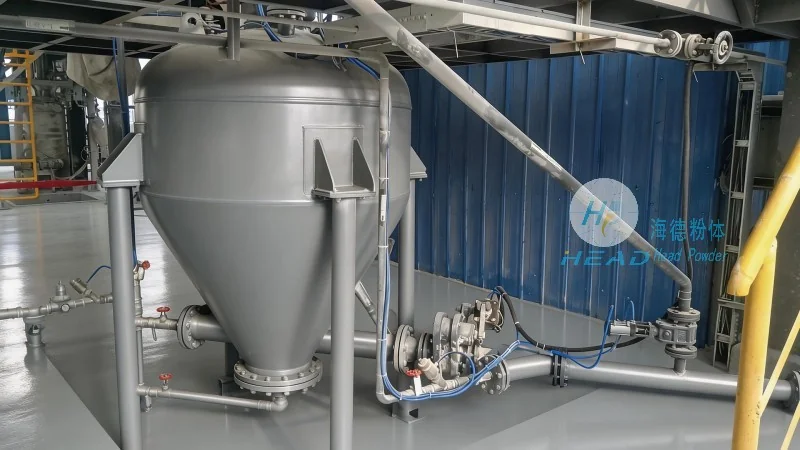
Quicklime powder pneumatic conveying systems are widely used in various industrial sectors due to their versatility and efficiency. In the chemical industry, these systems are used to transport quicklime to reactors for the production of calcium compounds, such as calcium hydroxide or calcium chloride. The systems ensure that the quicklime is delivered in a controlled manner, maintaining the required concentration and preventing any contamination from external sources. In the construction industry, quicklime is used as a component in cement and mortar production. Pneumatic conveying systems efficiently transport the quicklime from storage silos to mixing plants, ensuring consistent quality and reducing labor costs associated with manual handling. The environmental sector also benefits from these systems, as quicklime is used in flue gas desulfurization (FGD) processes to neutralize acidic gases. The systems enable the precise delivery of quicklime to the scrubbers, optimizing the treatment process and reducing emissions. Additionally, in the food and pharmaceutical industries, quicklime is used as a food additive or in the production of certain medications. Pneumatic conveying systems provide a hygienic and contamination-free method of transporting the material, ensuring compliance with food safety regulations. The systems are also used in the production of steel and other metal industries, where quicklime is used as a flux to remove impurities from molten metal. The ability to handle high temperatures and corrosive materials makes these systems suitable for such demanding applications.

 Shandong Headpowder Engineering Co., Ltd.
 156-6277-7102(Manager Zhang)
  0531-83386006
  Zhangqiu District, Jinan City, Shandong Province, China
telephone
WeChatconsult
top