With more than 10‑year industry experience, Shandong Headpowder delivers full‑service pneumatic‑conveying systems and blowers, undertaking nationwide turn‑key powder‑handling projects.
For industrial operations that involve the processing of potatoes, an efficient and reliable potato material handling system is crucial. This article will delve into the working principle and key features of such systems, highlighting how they enhance productivity and ensure the quality of potato processing. The information is presented by Shandong HeadPowder Engineering Co., Ltd., a leading manufacturer based in Shandong, China.
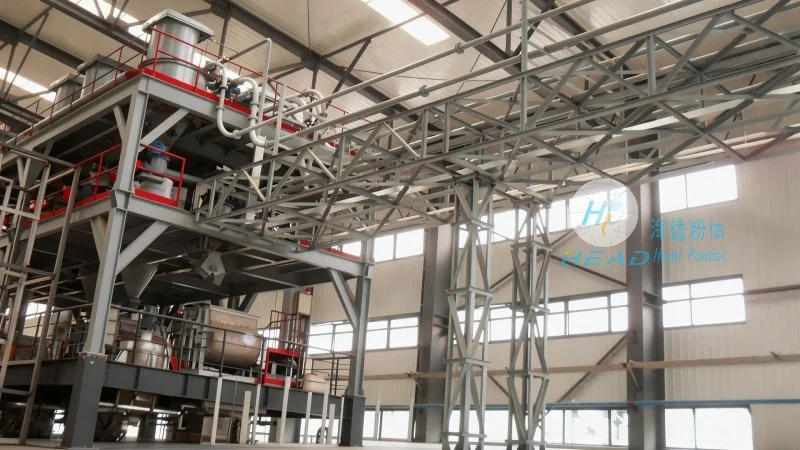
At the core of a potato material handling system is a series of components designed to move, sort, and process raw potatoes through various stages of production. The system typically begins with a receiving and storage area where potatoes are unloaded from trucks or other transport vehicles. This initial stage ensures that the potatoes are stored in a controlled environment to maintain their quality before processing.
Once the potatoes are ready for processing, they are transferred to a washing and cleaning unit. This step is critical as it removes dirt, debris, and any contaminants from the surface of the potatoes. The washing process often involves high-pressure water jets and rotating brushes to ensure thorough cleaning without damaging the potato's skin. After washing, the potatoes are moved to a sorting and grading section. Here, the potatoes are sorted based on size, shape, and quality. This is usually achieved through a combination of mechanical conveyors, vibrating screens, and optical sorting systems. The sorted potatoes are then sent to the next processing stage, such as peeling, cutting, or frying.
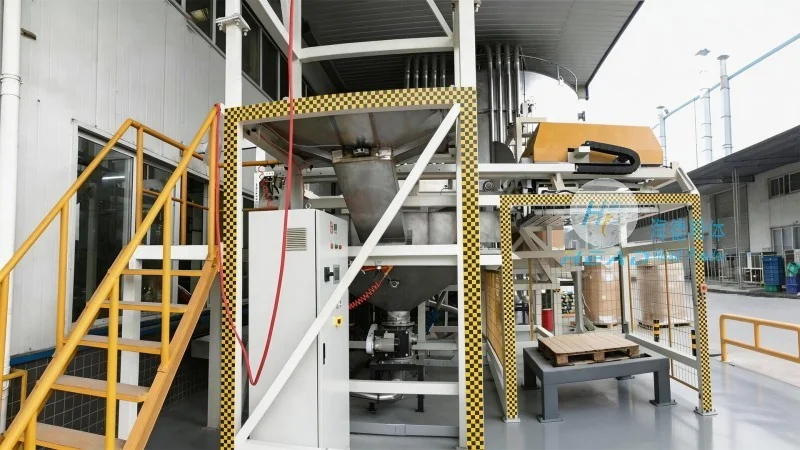
The transportation within the system is facilitated by a network of conveyors, including belt conveyors, chain conveyors, and screw conveyors. These conveyors are designed to handle the weight and size of potatoes efficiently. The system may also include elevators and incline conveyors to move potatoes vertically or over long distances. The entire process is controlled by a central control system that monitors the flow of potatoes and adjusts the speed and direction of the conveyors as needed. This automation ensures that the system operates smoothly and efficiently, minimizing downtime and maximizing throughput.
Modern potato material handling systems are equipped with several advanced features that enhance their performance and versatility. One of the key features is the integration of automation and control systems. These systems use sensors and software to monitor the entire process, from the initial reception of potatoes to the final packaging. This allows for real-time data collection and analysis, enabling operators to make informed decisions and optimize the system's performance. Another important feature is the use of flexible and modular components. This allows the system to be customized to meet the specific needs of different potato processing plants, whether they are processing for fresh market, processing into chips, or other products.
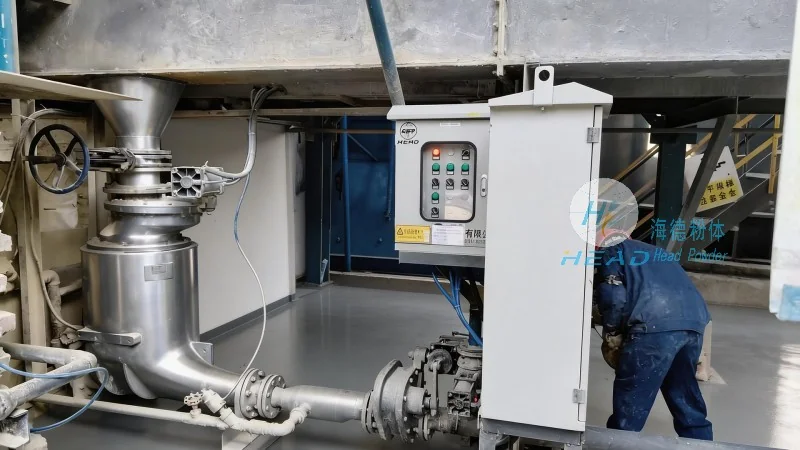
Energy efficiency is another critical feature of modern potato material handling systems. The use of energy-efficient motors and conveyor systems reduces the overall energy consumption of the plant, leading to lower operating costs. Additionally, the systems are designed to minimize waste and maximize the utilization of raw materials. This includes features such as waste reduction in the washing and sorting stages, and the ability to recycle water and other resources. The systems also prioritize safety, with features such as emergency stop buttons, safety guards, and automated shutdowns in case of malfunctions. These safety features ensure that the system operates safely and complies with industry regulations.
Another notable feature is the integration of data management and reporting tools. These tools allow operators to track the performance of the system, identify areas for improvement, and generate reports on production metrics. This data-driven approach helps in making strategic decisions and improving the overall efficiency of the potato processing operation. The systems also support remote monitoring and maintenance, allowing technicians to diagnose and resolve issues from a remote location, reducing downtime and maintenance costs.
Investing in a potato material handling system offers numerous benefits for potato processing plants. The primary benefit is the significant improvement in productivity and efficiency. By automating the movement and processing of potatoes, the system reduces the time and labor required for each stage of production. This leads to higher throughput and lower production costs. Another benefit is the improvement in product quality. The system ensures that potatoes are handled gently and consistently, reducing the risk of damage and spoilage. This results in higher-quality products that meet the standards of the market.
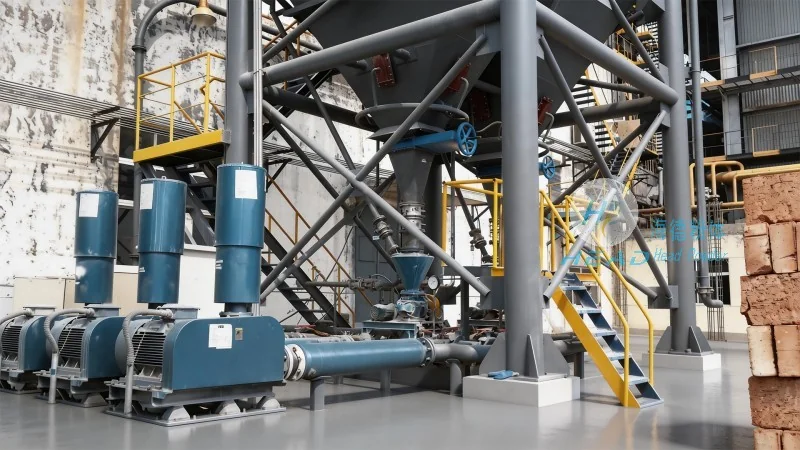
The system also enhances safety in the workplace. By automating the handling of potatoes, the risk of injury to workers is reduced. The system's safety features, such as emergency stops and safety guards, provide an additional layer of protection. This not only improves the safety of the workers but also helps the plant comply with safety regulations and avoid potential legal issues. Furthermore, the system's energy efficiency reduces the plant's carbon footprint, making it more environmentally friendly. This is increasingly important as consumers and regulatory bodies demand more sustainable practices in the food industry.
Finally, the system provides a competitive advantage for potato processing plants. By improving efficiency, reducing costs, and enhancing product quality, the plant can offer better products at competitive prices. This helps the plant to attract and retain customers, and to expand its market share. The system also allows the plant to adapt to changing market demands, such as the increasing demand for value-added potato products. This flexibility is crucial for the long-term success of the plant.

 Shandong Headpowder Engineering Co., Ltd.
 156-6277-7102(Manager Zhang)
  0531-83386006
  Zhangqiu District, Jinan City, Shandong Province, China
telephone
WeChatconsult
top