With more than 10‑year industry experience, Shandong Headpowder delivers full‑service pneumatic‑conveying systems and blowers, undertaking nationwide turn‑key powder‑handling projects.
Continuous quantitative material conveying systems are fundamental to modern industrial operations, offering efficient and precise bulk material handling solutions. Understanding their operational mechanics and distinctive attributes is essential for selecting appropriate equipment tailored to specific production requirements. This article delves into the core working principles of these systems and highlights their key characteristics that enhance performance and reliability.
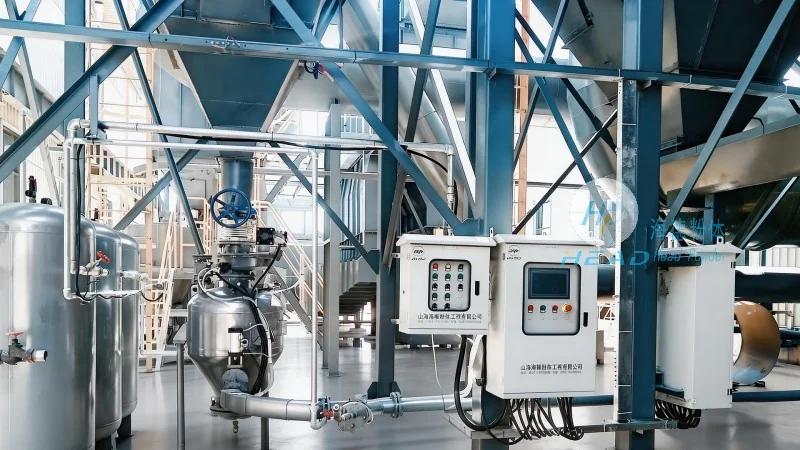
Continuous quantitative material conveying refers to the process of transporting bulk materials in a steady, uninterrupted flow while maintaining a consistent and measurable quantity per unit time. Unlike batch or intermittent conveying methods, this system ensures a uniform supply of materials to downstream processes, such as blending, mixing, or packaging. The primary goal is to achieve precise control over material flow, which is critical for applications where consistency and accuracy are non-negotiable.
The working principle of continuous quantitative material conveying involves a coordinated interaction between several key components. These typically include a feeding mechanism, a conveying device, and a sophisticated control system. The feeding mechanism ensures a uniform input of material to the conveyor, while the conveying device—such as a belt, screw, or pneumatic system—transports the material along the designated path. The control system, often equipped with sensors, variable speed drives, and digital controllers, monitors and adjusts the flow rate to maintain the desired quantity. For example, in a screw conveyor system, the rotation speed of the screw is dynamically adjusted to control the volume of material moved per unit time. Similarly, in a belt conveyor with an integrated weigh feeder, the speed of the belt and the position of the feeder are regulated to achieve precise weight measurement and delivery. This closed-loop control ensures that the material flow remains stable despite variations in material density, moisture content, or bulk properties.
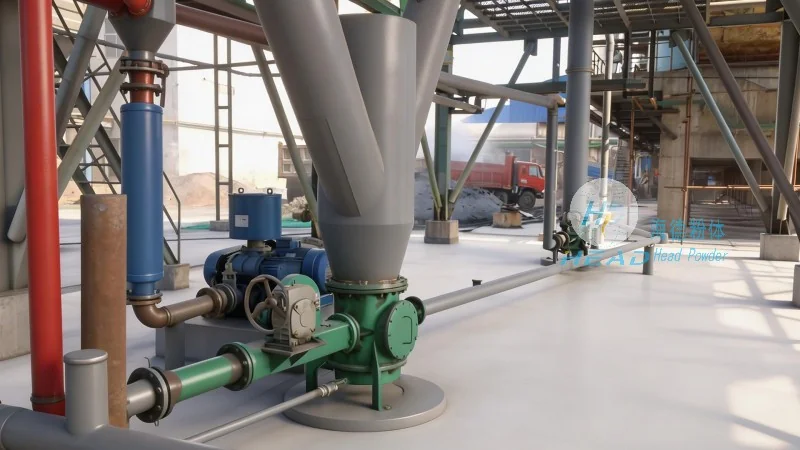
Continuous quantitative material conveying systems are distinguished by several critical features that enhance their functionality and adaptability. One of the most significant features is the ability to maintain a consistent flow rate, which is essential for processes requiring uniform material input. This consistency is achieved through advanced control technologies that compensate for fluctuations in material characteristics, ensuring stable operation. Another key feature is the high throughput and efficiency, as these systems can handle large volumes of material without interruption, minimizing downtime and maximizing production capacity. This makes them ideal for high-production environments where continuous operation is paramount.
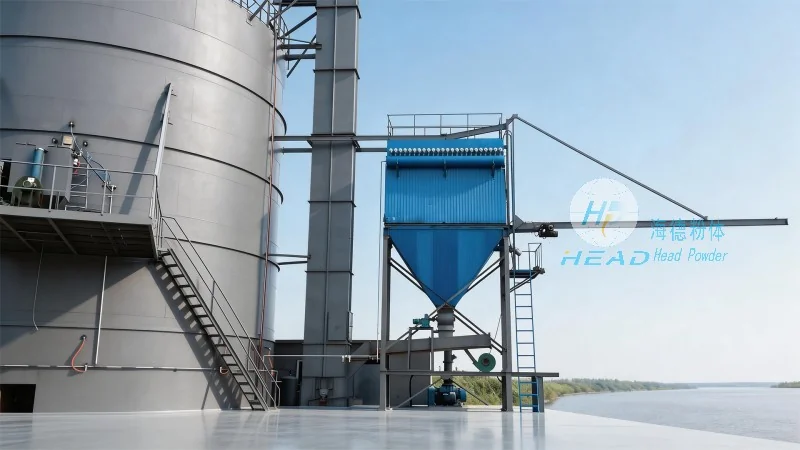
A third important feature is the flexibility in material handling. These systems can be adapted to transport a wide range of materials, from powders and granules to bulk solids, with minimal adjustments. This versatility is supported by modular designs that allow for easy integration of different components, such as variable speed drives, sensors, and control panels. Additionally, these systems often incorporate safety features, including emergency stop mechanisms and overload protection, to ensure safe operation in industrial settings. The robust construction and durability of the equipment also contribute to long-term reliability and low maintenance costs.
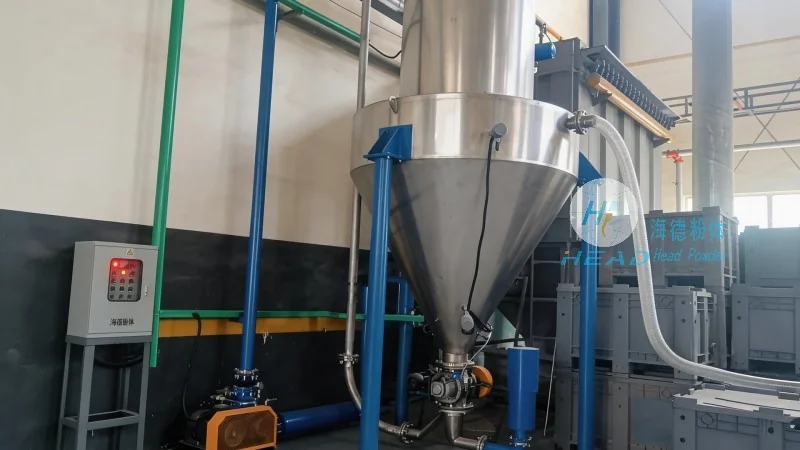
Continuous quantitative material conveying systems find extensive applications across various industries, including pharmaceuticals, food processing, chemicals, and mining. In the pharmaceutical industry, for instance, these systems are used to transport raw materials with high precision, ensuring compliance with stringent quality standards and regulatory requirements. In food processing, they help maintain consistent ingredient ratios in products like snacks, beverages, and baked goods. The benefits of using such systems include improved production efficiency, reduced material waste, and enhanced process control. By delivering materials in precise quantities, these systems contribute to higher product quality and lower operational costs, ultimately enhancing the competitiveness of industrial facilities.
Continuous quantitative material conveying systems represent a sophisticated solution for modern industrial material handling needs. Their working principles, based on precise control and continuous flow, enable efficient and reliable material transport. The key features, including consistency, efficiency, and flexibility, make them indispensable in various applications. As a leading provider in this field, Shandong HeadPowder Engineering Co., Ltd. specializes in designing and manufacturing high-quality continuous quantitative material conveying systems tailored to meet the specific requirements of clients. With a focus on innovation and quality, the company ensures that its products deliver optimal performance and durability, supporting the operational success of industrial facilities worldwide. HeadPowder's expertise in engineering and manufacturing ensures that each system is customized to enhance productivity and meet the unique demands of industrial processes.

 Shandong Headpowder Engineering Co., Ltd.
 156-6277-7102(Manager Zhang)
  0531-83386006
  Zhangqiu District, Jinan City, Shandong Province, China
telephone
WeChatconsult
top