With more than 10‑year industry experience, Shandong Headpowder delivers full‑service pneumatic‑conveying systems and blowers, undertaking nationwide turn‑key powder‑handling projects.
Intermittent powder conveying equipment is a critical component in industrial processes that require the precise and controlled movement of bulk powders. Understanding its working principle and key features is essential for selecting the right equipment for specific applications. This article provides an in-depth look at the mechanisms behind intermittent powder conveyors and the attributes that make them suitable for various industrial needs.
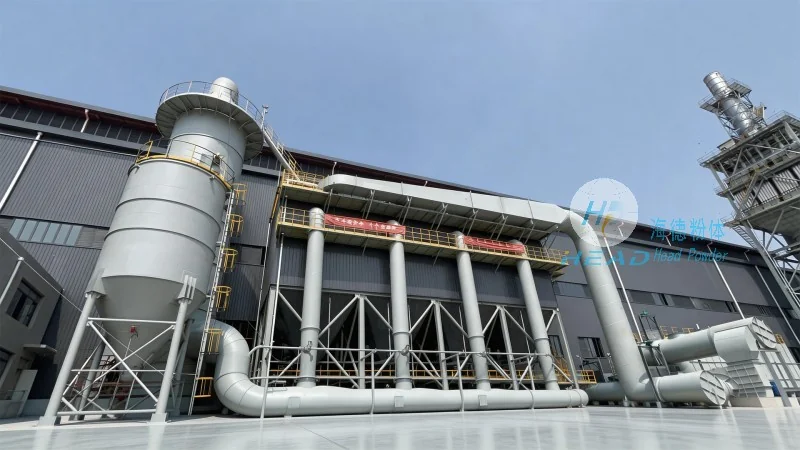
Intermittent powder conveyors are designed to transport dry bulk materials in a controlled, step-by-step manner. Unlike continuous conveying systems, these machines operate by moving material in discrete cycles, ensuring accurate dosing and minimal product degradation. The technology is widely used in pharmaceutical, food, chemical, and other industries where product integrity and precise flow control are paramount.
The core working principle of an intermittent powder conveyor involves a series of mechanical actions that move material from the inlet to the outlet. Typically, the process begins with the material being fed into the hopper or inlet chamber. A drive mechanism, such as a motor and gearbox, activates the conveying element—commonly a screw or a belt with specialized paddles. As the conveying element rotates, it pushes the powder forward in short, controlled increments. This intermittent motion allows for precise control over the quantity of material transferred, preventing overloading and ensuring consistent output.
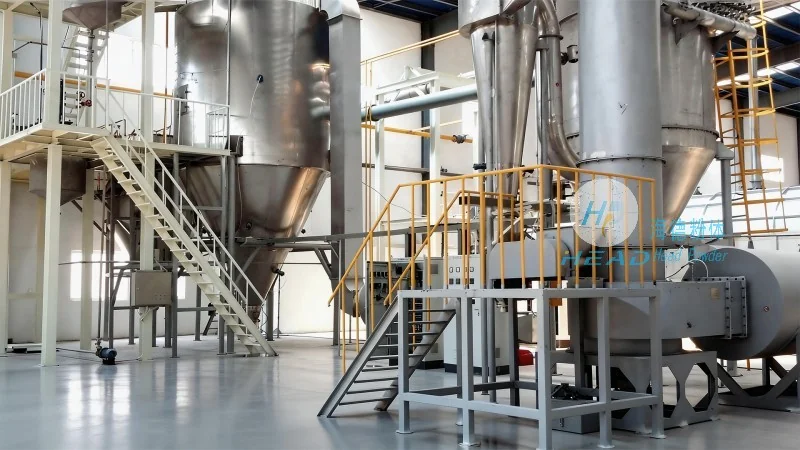
Key components of the system include the hopper, which holds the bulk material; the conveying element (screw or paddle); the drive system; and the discharge mechanism. The hopper is designed to maintain a consistent material level, while the conveying element provides the necessary force to move the powder. The drive system controls the speed and direction of the conveying element, and the discharge mechanism regulates the release of material at the outlet. Together, these components work in harmony to achieve efficient and reliable powder transfer.
Intermittent powder conveyors offer several advantages that make them a preferred choice in many industrial applications. One of the primary features is their ability to provide precise dosing and control over material flow. This is particularly important in industries where exact quantities are critical, such as pharmaceutical manufacturing or food processing. The intermittent operation also minimizes product degradation, as the material is not subjected to continuous high-speed movement or shear forces.
Another notable feature is the equipment's versatility. Intermittent conveyors can handle a wide range of powder characteristics, including fine powders, granules, and even sticky or cohesive materials. The design of the conveying element and hopper can be customized to accommodate different material properties, ensuring optimal performance. Additionally, these systems are relatively compact and can be integrated into existing production lines without significant modifications.
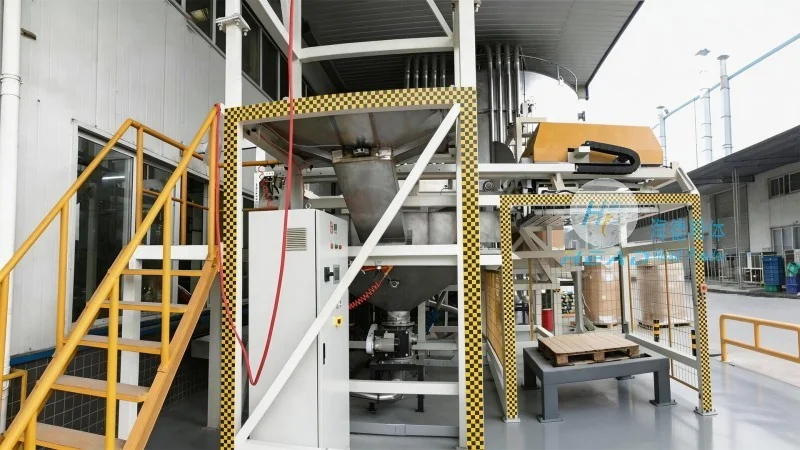
Efficiency is another key advantage. By operating in discrete cycles, intermittent conveyors reduce energy consumption compared to continuous systems, especially when handling smaller quantities of material. The controlled movement also minimizes material waste and reduces the risk of clogging or blockages, which can occur in continuous conveying systems. This makes them cost-effective and reliable for long-term use.
Intermittent powder conveyors are used in a variety of industrial settings where bulk powder handling is required. In the pharmaceutical industry, they are used to transport active pharmaceutical ingredients (APIs) and excipients with high precision, ensuring that the correct dosage is delivered to the final product. In the food industry, they are used to convey ingredients like flour, sugar, and spices, maintaining product quality and preventing contamination.
In the chemical industry, these conveyors are used to handle various chemicals, including powders that are corrosive or reactive. The controlled movement and minimal exposure to air help prevent reactions and ensure safety. Additionally, in the agricultural sector, intermittent conveyors are used to transport fertilizers and other bulk materials, improving efficiency in farming operations.
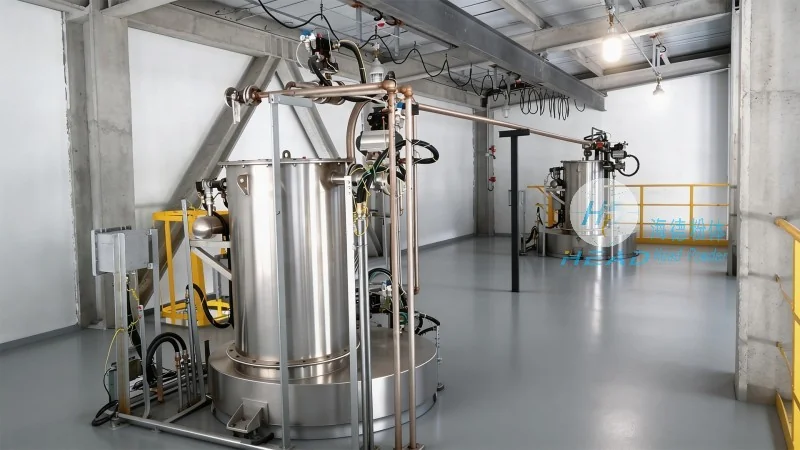
Intermittent powder conveyors are essential equipment for industries that require precise, controlled movement of bulk powders. Their working principle, which involves discrete, controlled cycles, allows for accurate dosing and minimal product degradation. The key features, including versatility, efficiency, and reliability, make them suitable for a wide range of applications. For businesses in need of reliable powder handling solutions, understanding the working principle and advantages of these systems is crucial.
Shandong HeadPowder Engineering Co., Ltd., a leading manufacturer of powder handling equipment, specializes in designing and manufacturing high-quality intermittent powder conveyors. With years of experience in the industry, the company provides customized solutions tailored to the specific needs of its clients. HeadPowder's commitment to quality and innovation ensures that their products meet the highest standards in terms of performance and durability. Based in Shandong, China, the company serves customers worldwide, delivering reliable and efficient powder conveying solutions that enhance productivity and product quality.

 Shandong Headpowder Engineering Co., Ltd.
 156-6277-7102(Manager Zhang)
  0531-83386006
  Zhangqiu District, Jinan City, Shandong Province, China
telephone
WeChatconsult
top