

Working Principle and Features of Lime Pneumatic Conveying Equipment
HeadPowder, a prominent enterprise headquartered in Shandong, China, specializes in the development and production of advanced pneumatic conveying systems tailored for industrial applications. This article delves into the working principle and key characteristics of lime pneumatic conveying machines, which are critical for efficient material handling in sectors such as chemical processing, environmental treatment, and food manufacturing.
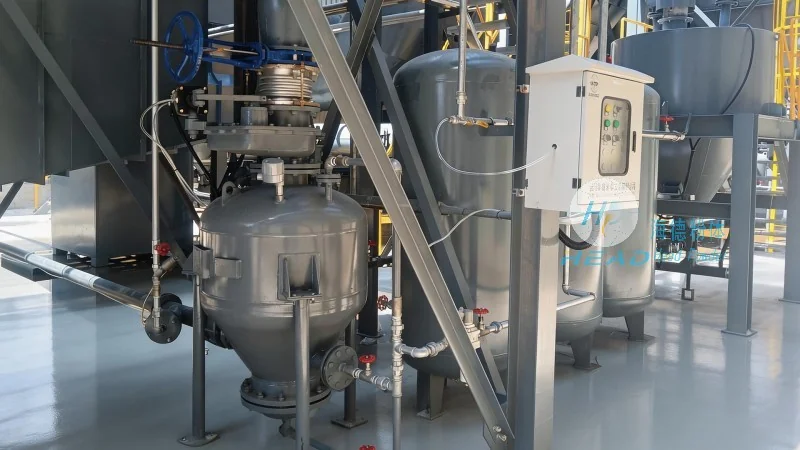
Working Principle of Lime Pneumatic Conveying Machines
The fundamental operation of a lime pneumatic conveying system revolves around the use of compressed air to transport bulk materials. The process initiates with the material being loaded into a hopper or storage silo. From this point, a high-capacity fan or blower generates a powerful air stream that draws the material particles into the pipeline. The system may operate in either dilute-phase or dense-phase modes, with the choice depending on the material's properties—such as particle size, density, and moisture content—and the required delivery distance. In dilute-phase conveying, the material is suspended in the air stream, while in dense-phase conveying, the material travels in a compacted form, often with a higher air-to-material ratio. The air and material mixture travels through the pipeline until it reaches the discharge point, where a separator or cyclone separates the material from the air, allowing the material to be deposited into the receiving container. This method eliminates the need for mechanical components like belts, buckets, or screw conveyors, reducing maintenance requirements and increasing operational reliability.
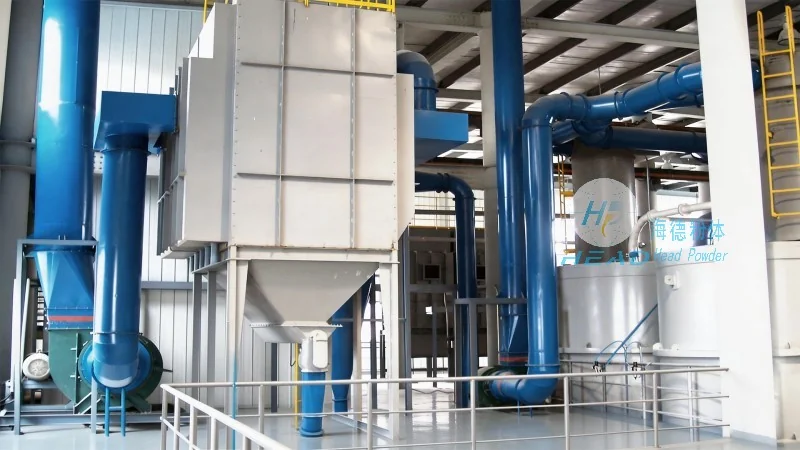
Key Features of Lime Pneumatic Conveying Equipment
Lime pneumatic conveying machines from HeadPowder are engineered with several distinctive features that enhance performance and durability. One of the most notable advantages is the ability to handle dusty or abrasive materials without causing excessive wear on system components. The design incorporates wear-resistant materials and components, such as stainless steel or special alloys, to ensure long-term service life. Additionally, these systems offer flexible installation options, allowing for vertical, horizontal, or inclined pipe configurations to accommodate various plant layouts and spatial constraints. Another significant feature is the integration of advanced control systems that monitor critical parameters like air pressure, flow rate, and material level. These systems provide real-time feedback and automated adjustments, ensuring optimal operation and preventing system failures. The equipment also supports variable speed control, enabling precise regulation of material flow rates to match production demands. Furthermore, the modular design of the machines facilitates easy maintenance and repair, with accessible components that can be replaced quickly, minimizing downtime and reducing maintenance costs.
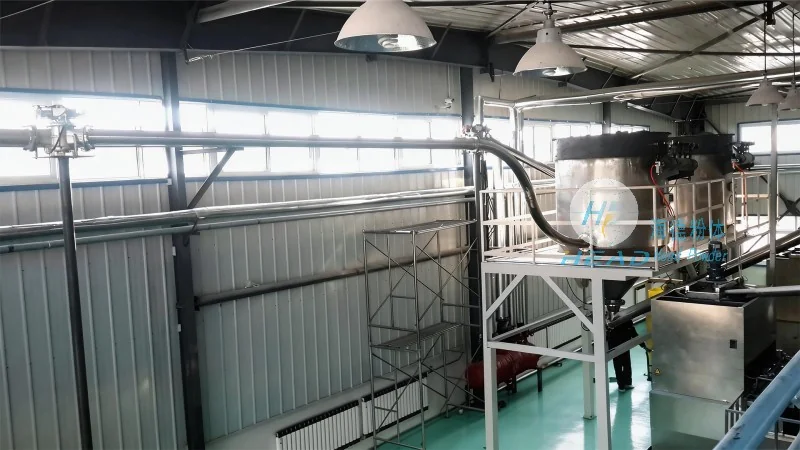
Application and Benefits in Industrial Settings
Lime pneumatic conveying equipment is widely utilized in industries where efficient and safe material handling is essential. In chemical manufacturing, these systems are used to transport lime for processes like flue gas desulfurization, where the material must be delivered to reactors or storage tanks with minimal loss. In food processing, the equipment ensures hygienic handling of lime used in product formulation or as a neutralizing agent, maintaining compliance with food safety regulations. The environmental sector also benefits from these systems, as they enable the transport of lime for wastewater treatment and soil remediation projects. The primary benefits of using lime pneumatic conveying machines include improved safety by eliminating manual handling of bulk materials, reduced labor costs due to automated operation, and enhanced energy efficiency by minimizing material waste and optimizing air usage. The compact design of the equipment allows for installation in confined spaces, making it suitable for retrofitting into existing facilities. The reliability of pneumatic conveying systems ensures consistent material delivery, which is crucial for maintaining production schedules and meeting quality standards in industrial operations.
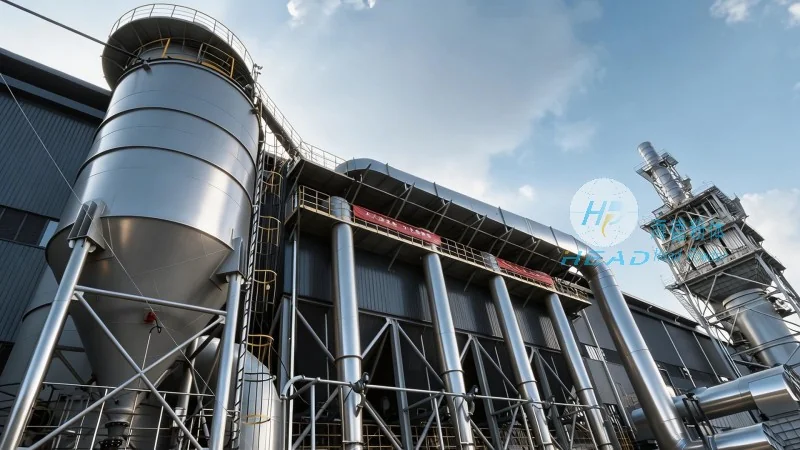
Conclusion
HeadPowder's lime pneumatic conveying machines represent a reliable and efficient solution for bulk material handling in various industrial applications. By leveraging advanced pneumatic technology, these systems offer superior performance, durability, and flexibility compared to traditional mechanical conveying methods. With a focus on quality and innovation, HeadPowder continues to provide tailored solutions that meet the evolving needs of industries worldwide.