

Working Principle and Features of Automatic Blending and Feeding Pneumatic Conveying Equipment
HeadPowder, a leading manufacturer based in Shandong, China, specializes in the design and production of advanced automatic blending and feeding pneumatic conveying equipment. This article provides an in-depth exploration of the working principle and key features of such systems, highlighting their efficiency and reliability in material handling applications.
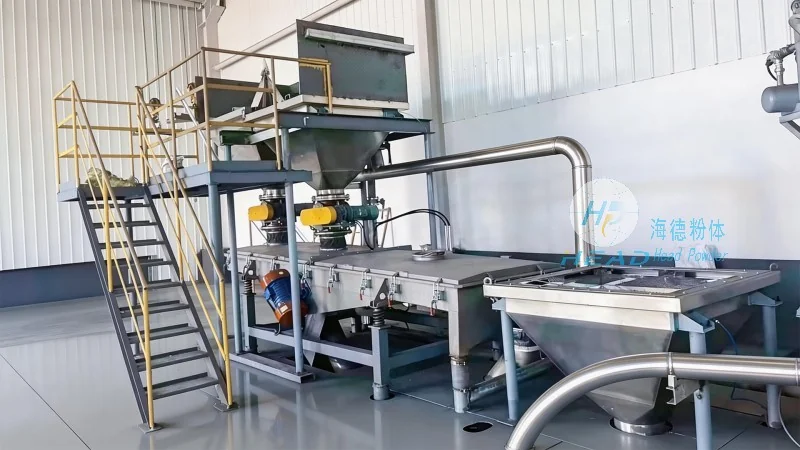
Overview of Automatic Blending and Feeding Pneumatic Conveying Systems
Automatic blending and feeding pneumatic conveying systems are sophisticated industrial equipment designed to handle, transport, and blend bulk materials with precision. These systems are widely used in various industries, including food processing, pharmaceuticals, chemicals, and mining, where consistent material quality and efficient processing are critical. The core function of these machines is to automate the material handling process, reducing manual intervention and enhancing operational efficiency.
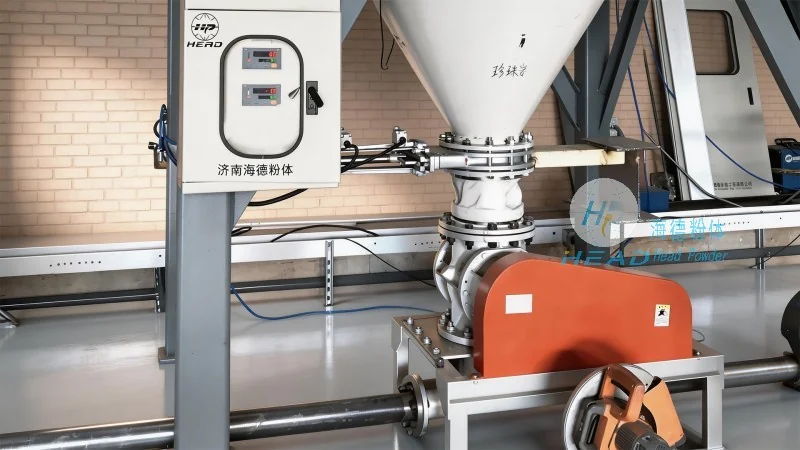
The Working Principle of Automatic Blending and Feeding Pneumatic Conveying Equipment
The operation of automatic blending and feeding pneumatic conveying equipment is based on the principles of pneumatic transport, where materials are conveyed through a pipeline using air or other gases. The system typically consists of several key components, including a hopper for material storage, a feeder to control the flow rate, a conveying line, and a blending chamber. The process begins with the material being fed from the hopper into the feeder, which regulates the discharge rate to maintain a consistent flow. The feeder then transfers the material into the conveying line, where it is propelled by the air flow generated by a blower or compressor. The air and material mixture travels through the pipeline to the blending chamber, where the material is mixed with other ingredients if required. The blended material is then discharged from the system for further processing or packaging.
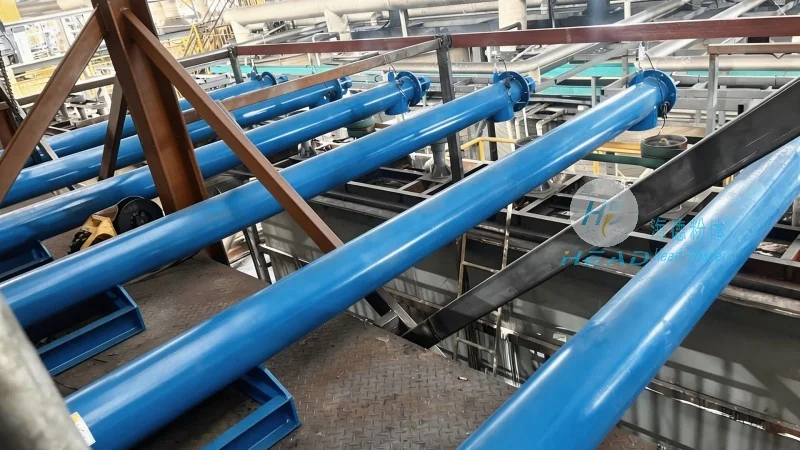
Key Features of Automatic Blending and Feeding Pneumatic Conveying Systems
Automatic blending and feeding pneumatic conveying systems offer several advantages that make them ideal for modern industrial applications. One of the primary features is the ability to handle a wide range of materials, from fine powders to granules, with minimal degradation. The systems are designed to maintain a consistent material flow rate, ensuring uniform blending and preventing overloading or underloading of downstream equipment. Another important feature is the integration of advanced control systems, which allow for precise regulation of the feeding rate and blending ratio. This control capability is crucial for applications where material consistency is paramount, such as in the production of pharmaceuticals or food products. Additionally, these systems are equipped with safety features, including pressure relief valves and material flow monitors, to prevent accidents and ensure safe operation. The compact design of the equipment also makes it suitable for installation in limited space, and the modular construction allows for easy maintenance and replacement of components.
Applications and Benefits in Industrial Settings
The automatic blending and feeding pneumatic conveying systems manufactured by Shandong HeadPowder Engineering Co., Ltd. are tailored to meet the specific needs of various industries. In the food industry, these systems are used to blend ingredients for snacks, cereals, and other processed foods, ensuring a uniform product quality. In the pharmaceutical sector, the systems are employed to handle active pharmaceutical ingredients (APIs) and excipients, maintaining the purity and consistency of the final product. The chemical industry utilizes these systems for blending chemicals and additives, enhancing the efficiency of production processes. The mining and mineral processing industries also benefit from these systems, which help in transporting and blending raw materials for further processing. The benefits of using these systems include improved product quality, reduced labor costs, increased production throughput, and enhanced safety in the workplace. By automating the material handling process, these systems minimize human error and improve overall operational efficiency.
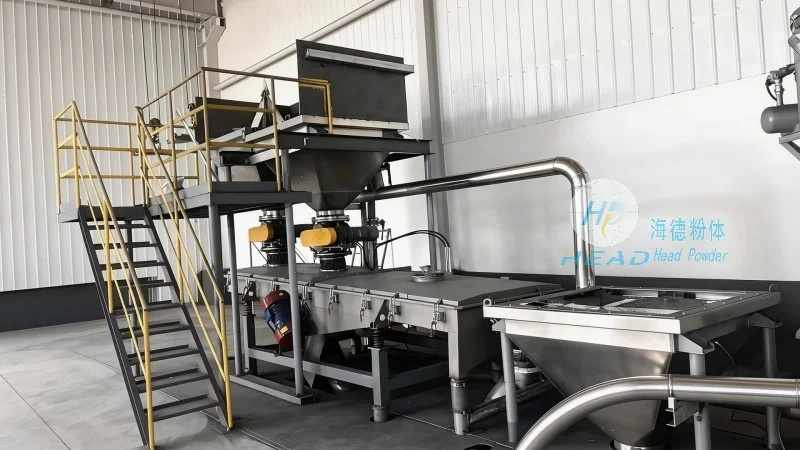
Conclusion
Automatic blending and feeding pneumatic conveying equipment from Shandong HeadPowder Engineering Co., Ltd. represents a significant advancement in material handling technology. The systems combine advanced engineering with user-friendly operation, providing reliable and efficient solutions for a wide range of industrial applications. With their ability to handle diverse materials, maintain consistent quality, and integrate seamlessly into existing production lines, these systems are essential for modern manufacturing operations. As industries continue to demand higher productivity and quality standards, the role of such equipment will only become more critical in ensuring operational success.