

Working Principle and Features of Dry Flue Gas Desulfurization Ash Pneumatic Conveying System
Dry flue gas desulfurization (FGD) is a critical process in power plants and industrial facilities to reduce sulfur dioxide emissions. The byproduct of this process is desulfurization ash, which needs to be transported efficiently and safely. The dry FGD ash pneumatic conveying system is a specialized solution designed to handle this task, ensuring optimal performance and reliability in ash handling operations.
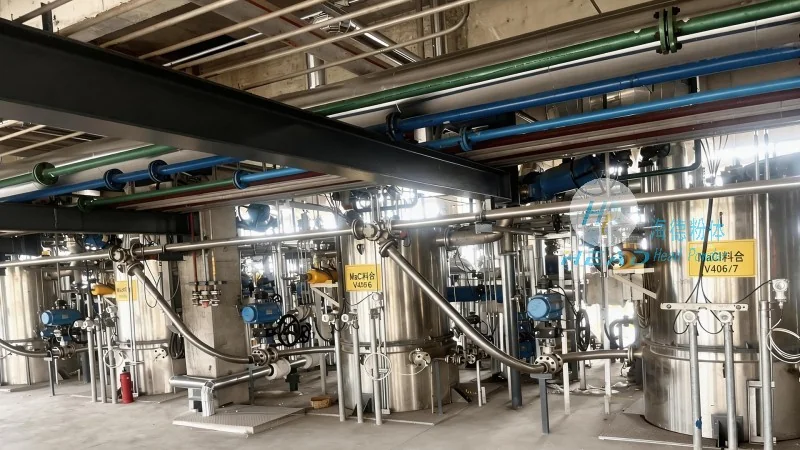
Company Profile: Shandong HeadPowder Engineering Co., Ltd.
HeadPowder, a leading provider in the field of powder handling and material transport solutions, specializes in designing and manufacturing advanced pneumatic conveying systems. With a strong commitment to innovation and quality, HeadPowder has established itself as a trusted partner for industries requiring efficient and reliable ash handling technologies. The company’s headquarters is located in Shandong, China, where it leverages local expertise and resources to deliver cutting-edge solutions tailored to global market needs.
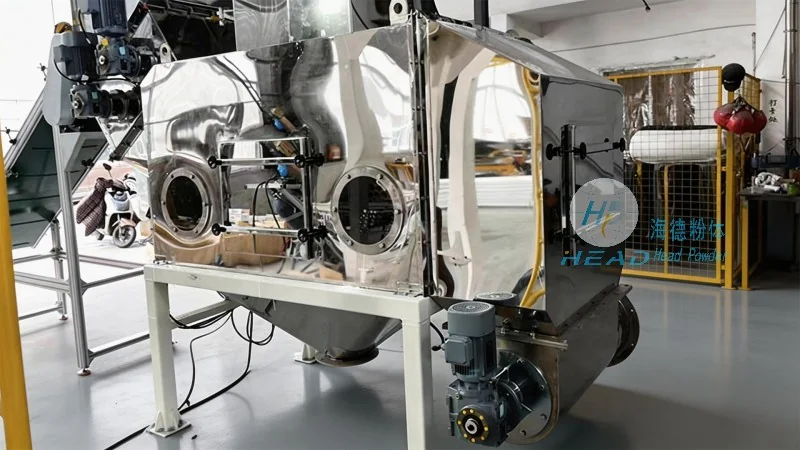
Working Principle of the Dry FGD Ash Pneumatic Conveying System
The dry FGD ash pneumatic conveying system operates on the principle of air-based transport, utilizing a combination of positive and negative pressure systems to move ash from the collection point to the disposal or utilization site. The system typically consists of several key components, including ash hoppers, airlocks, conveying pipes, and control valves. The process begins with ash being collected in the hopper, where it is then fed into the conveying line through an airlock. Compressed air is then introduced into the pipe, creating a flow that propels the ash particles through the system. The air velocity is carefully controlled to ensure that the ash is transported without clogging or degradation. The system can operate in both positive and negative pressure modes, depending on the specific application and layout requirements.

Key Features and Advantages of the System
The dry FGD ash pneumatic conveying system offered by HeadPowder is characterized by several distinct features that enhance its performance and reliability. One of the primary advantages is its ability to handle fine and abrasive ash particles without causing wear and tear on the equipment. The system is designed with high-quality materials, such as stainless steel and special alloys, to withstand the corrosive nature of the ash and the abrasive effects of the particles. Another key feature is the system’s flexibility in terms of layout and integration. It can be customized to fit various plant configurations, allowing for seamless integration with existing infrastructure. The system also features advanced control systems that provide real-time monitoring and adjustment of air pressure, flow rate, and ash feed rate, ensuring optimal operation and minimizing downtime. Additionally, the system is energy-efficient, with optimized air consumption and reduced energy costs compared to traditional conveying methods. The compact design of the system also saves space in the plant, making it suitable for facilities with limited floor area.
Application and Benefits in Industrial Settings
The dry FGD ash pneumatic conveying system is widely used in power plants, chemical plants, and other industrial facilities where FGD processes are employed. The primary benefit of this system is its ability to transport ash efficiently over long distances, reducing the need for manual handling and associated safety risks. By automating the ash transport process, the system improves operational safety and reduces labor costs. Additionally, the system helps in maintaining a clean and dust-free environment within the plant, as the ash is conveyed through enclosed pipes, preventing dust emissions and contamination. The system also enables the ash to be utilized as a raw material in other processes, such as cement production or soil amendment, promoting sustainable waste management practices. Overall, the dry FGD ash pneumatic conveying system provides a cost-effective and environmentally friendly solution for ash handling, contributing to the overall efficiency and sustainability of industrial operations.
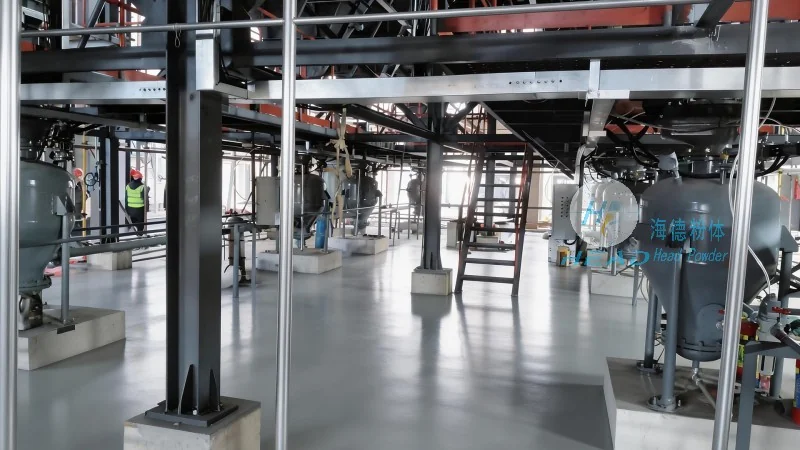
Conclusion and Company Commitment
HeadPowder Engineering Co., Ltd. continues to lead the industry in developing advanced pneumatic conveying systems for dry FGD ash handling. With a focus on innovation, quality, and customer satisfaction, the company provides tailored solutions that meet the specific needs of its clients. The dry FGD ash pneumatic conveying system exemplifies HeadPowder’s commitment to delivering reliable, efficient, and sustainable solutions for ash transport. By leveraging its expertise and advanced technology, HeadPowder ensures that its clients can achieve optimal performance and operational efficiency in their ash handling processes. The company’s presence in Shandong, China, allows it to serve a wide range of industrial clients globally, providing comprehensive support and after-sales services to ensure long-term customer satisfaction.