

Working Principle and Features of Micron Sand Powder Pneumatic Conveying Systems
For industrial applications requiring efficient and reliable transport of micron sand powder, pneumatic conveying systems offer a sophisticated solution. These systems are engineered to handle fine powders like micron sand, ensuring minimal product degradation and optimal operational performance. The following sections delve into the working principle and key characteristics of such systems, highlighting their advantages and practical applications. This content is provided by Shandong HeadPowder Engineering Co., Ltd., a leading manufacturer specializing in advanced material handling solutions based in China.
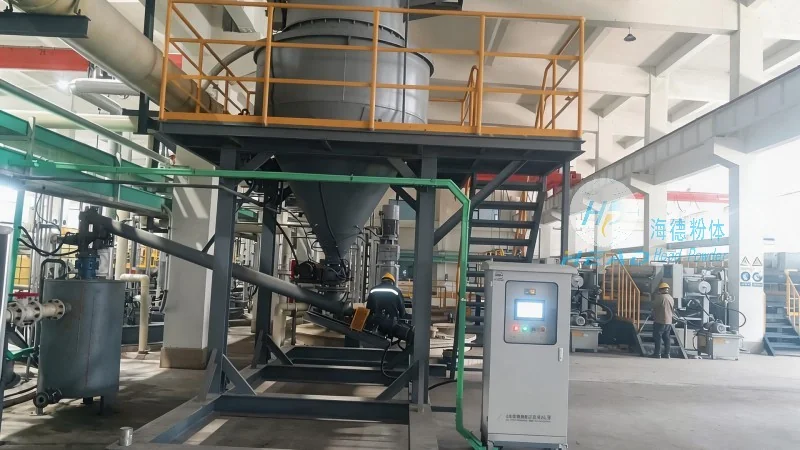
Overview of Micron Sand Powder Pneumatic Conveying Systems
Micron sand powder, characterized by its fine particle size and high specific surface area, presents unique challenges in material handling. Traditional methods like belt conveyors or bucket elevators may cause dust accumulation, product agglomeration, or loss of material due to friction. Pneumatic conveying systems address these issues by utilizing air as the conveying medium, enabling a dust-free, continuous, and energy-efficient transport process. The technology is widely adopted in industries such as construction, foundries, and chemical processing, where the integrity of micron sand powder is critical.
Working Principle of Micron Sand Powder Pneumatic Conveying Lines
The core of a pneumatic conveying system for micron sand powder involves several key components and a sequential process. The system typically consists of a hopper for material storage, a feeder to control the flow rate, a conveying line (either positive or negative pressure), and a receiver for the discharged material. The operation begins with the micron sand powder being fed from the hopper into the conveying line. In a positive pressure system, a blower or compressor generates high-pressure air that propels the powder through the pipeline. The air and powder mixture travels to the receiver, where the air is separated from the powder using a cyclone or filter, and the powder is collected. In a negative pressure (or vacuum) system, a vacuum pump creates a low-pressure environment that draws the powder from the source into the receiver. The choice between positive and negative pressure depends on factors like the distance, material properties, and system design requirements.
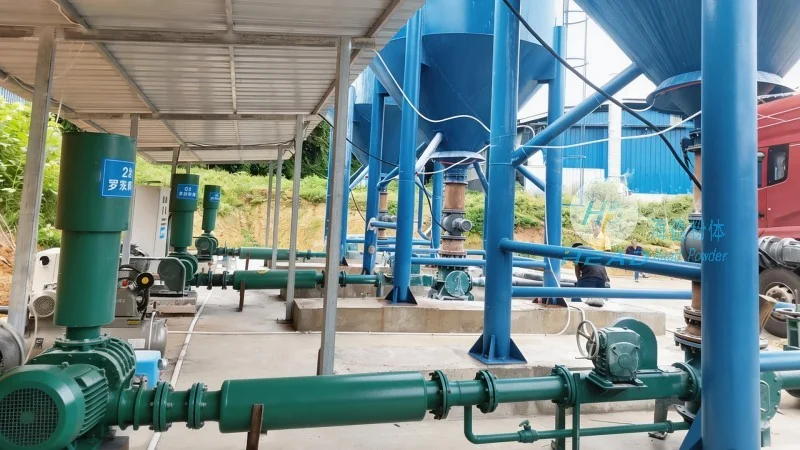
Key Features and Advantages of Micron Sand Powder Pneumatic Conveying Systems
Several distinct features make pneumatic conveying systems ideal for micron sand powder transport. Firstly, the systems are capable of handling fine powders without causing particle breakage or agglomeration, preserving the material's quality and consistency. Secondly, they provide a dust-free operation, which enhances workplace safety and reduces environmental contamination. Thirdly, the systems offer high transport efficiency, with the ability to move large volumes of material over significant distances with minimal energy consumption. Additionally, the design allows for easy integration with existing industrial processes, enabling seamless material flow from storage to processing or packaging. The flexibility of pneumatic conveying also allows for multiple discharge points, facilitating complex material handling requirements in large-scale operations.
Technical Considerations and System Design
When designing a pneumatic conveying system for micron sand powder, several technical factors must be considered to ensure optimal performance. Particle size and density are critical parameters, as they affect the air velocity required for stable transport. The system's pressure drop along the pipeline must be carefully calculated to avoid excessive energy use or material blockage. The choice of materials for the conveying line and components is also important, as micron sand powder can be abrasive and corrosive, requiring durable materials like stainless steel or special coatings. Furthermore, the system's control mechanisms, such as variable speed feeders and pressure sensors, are essential for maintaining consistent flow rates and preventing system failures. Proper maintenance, including regular cleaning of filters and cyclones, is crucial to ensure long-term system reliability and efficiency.
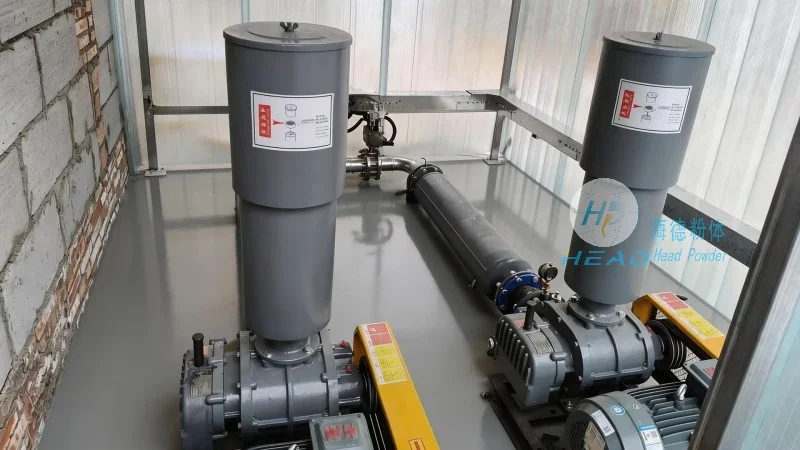
Applications and Industry Impact
Micron sand powder pneumatic conveying systems are widely used in various industrial sectors. In the construction industry, they are employed for transporting sand and other fine aggregates to concrete mixing plants, ensuring uniform material distribution and quality control. In foundries, the systems facilitate the transport of sand molds and refractory materials, improving production efficiency and reducing labor costs. In chemical processing, they are used for handling fine powders in pharmaceutical and food industries, where product purity and contamination control are paramount. The adoption of these systems has significantly improved operational efficiency, reduced downtime, and enhanced product quality across these industries.
Conclusion
Micron sand powder pneumatic conveying systems represent a advanced solution for the efficient and reliable transport of fine powders. By leveraging air as the conveying medium, these systems offer numerous advantages, including dust-free operation, high transport efficiency, and minimal product degradation. The working principle, which involves precise control of air flow and material feed, ensures consistent performance and adaptability to various industrial needs. As industries continue to demand higher standards of material handling, the importance of such systems will only grow, making them a critical component in modern industrial operations. With proper design, maintenance, and integration, pneumatic conveying systems for micron sand powder can deliver long-term benefits, including increased productivity, reduced costs, and improved product quality. Shandong HeadPowder Engineering Co., Ltd. remains committed to providing innovative and reliable solutions for material handling challenges, supporting industries worldwide in achieving operational excellence.