With more than 10‑year industry experience, Shandong Headpowder delivers full‑service pneumatic‑conveying systems and blowers, undertaking nationwide turn‑key powder‑handling projects.
Understanding the mechanisms and features of sodium glutamate pneumatic conveying is crucial for industries dealing with this essential food additive. This article provides a detailed overview of the working principle and key characteristics of such systems, presented by Shandong HeadPowder Engineering Co., Ltd., a leading provider in the field.
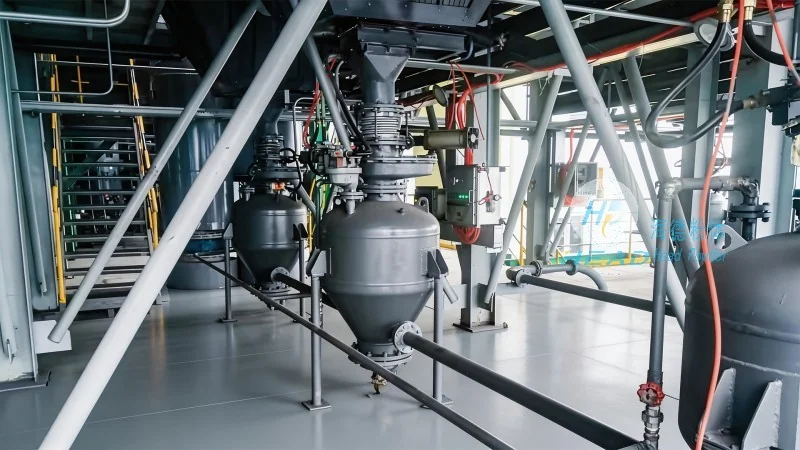
Sodium glutamate, commonly known as MSG, is a widely used flavor enhancer in the food industry. Efficient and reliable transportation of this product from production to storage or packaging facilities is vital for maintaining quality and ensuring smooth operations. Pneumatic conveying systems offer an effective solution for handling sodium glutamate, combining the benefits of automation and material integrity.
The core of a pneumatic conveying system for sodium glutamate involves the use of air or other gases to transport the material through a pipeline. The process typically begins with the material being fed into a hopper or feeder, where it is then introduced into the conveying line. A blower or compressor generates the necessary air pressure, which propels the sodium glutamate particles through the system. The design of the system, including the type of air flow (e.g., dilute phase or dense phase), influences the efficiency and capacity of the conveying process.
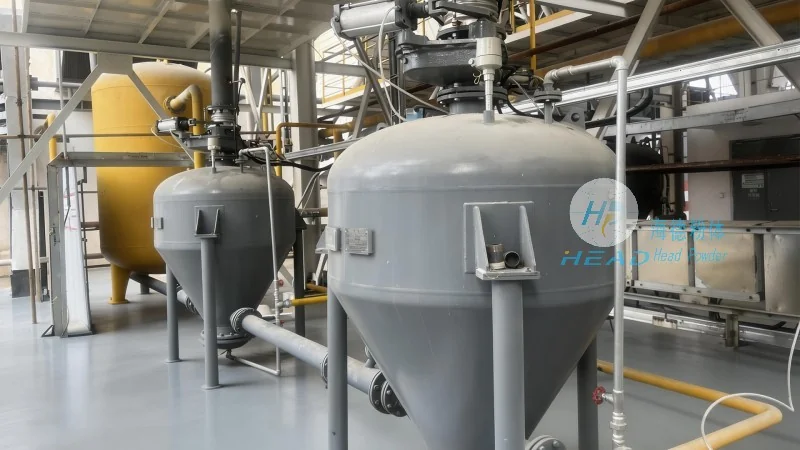
In dilute phase conveying, the material is suspended in the air stream, allowing for higher speeds and longer distances. This method is suitable for lighter materials like sodium glutamate, as it minimizes particle degradation and ensures consistent flow. Conversely, dense phase conveying uses lower air velocities, where the material travels in a more compact form, reducing the risk of product degradation and making it ideal for sensitive or high-value products.
Several key characteristics define the performance and suitability of pneumatic conveying systems for sodium glutamate. Firstly, the system's ability to maintain product purity is paramount. Pneumatic systems minimize direct contact with external contaminants, preserving the quality and flavor of the sodium glutamate. This is particularly important in food processing, where product integrity is non-negotiable.
Secondly, the efficiency of material handling is a critical factor. Pneumatic conveying systems can handle large volumes of sodium glutamate with minimal labor, reducing operational costs and increasing throughput. The flexibility of these systems allows for easy integration into existing production lines, adapting to varying production rates and product changes.
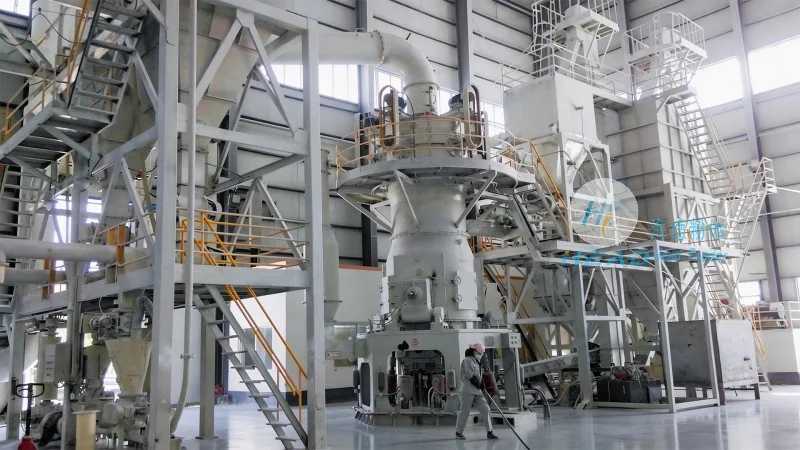
Thirdly, the energy efficiency of the system plays a significant role in overall operational costs. Modern pneumatic conveying systems utilize advanced blower technology and optimized air flow designs to minimize energy consumption while maintaining high conveying rates. This not only reduces operational expenses but also contributes to environmental sustainability.
Additionally, the durability and maintenance requirements of the equipment are important considerations. High-quality materials and robust construction ensure that the system can withstand the abrasive nature of sodium glutamate particles, reducing downtime and maintenance costs over the system's lifespan.
The application of sodium glutamate pneumatic conveying systems has a significant impact on the food processing industry. By enabling efficient and hygienic transportation of this essential ingredient, these systems support the production of high-quality food products. The ability to handle sodium glutamate in a controlled environment ensures that the product remains free from contamination and maintains its optimal flavor profile, which is crucial for consumer acceptance.
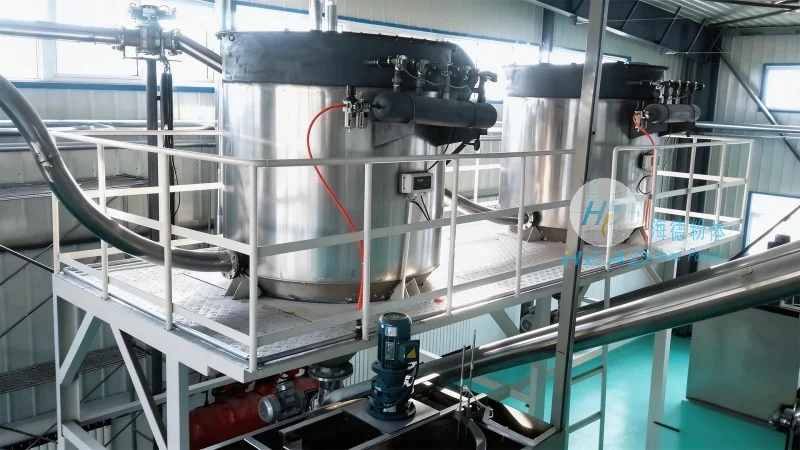
Shandong HeadPowder Engineering Co., Ltd. specializes in designing and manufacturing customized pneumatic conveying solutions tailored to the specific needs of sodium glutamate handling. With years of experience in the industry, the company provides comprehensive services, including system design, installation, and maintenance, ensuring that clients achieve optimal performance and reliability.
In conclusion, sodium glutamate pneumatic conveying systems offer a highly effective and efficient method for transporting this vital food additive. The working principle, which relies on air pressure to move the material through a pipeline, combined with key characteristics such as product purity, efficiency, and energy savings, makes it an ideal choice for modern food processing facilities. By leveraging advanced technology and expert engineering, companies like Shandong HeadPowder Engineering Co., Ltd. continue to enhance the capabilities of pneumatic conveying systems, supporting the global food industry's demand for high-quality, hygienic processing solutions.

 Shandong Headpowder Engineering Co., Ltd.
 156-6277-7102(Manager Zhang)
  0531-83386006
  Zhangqiu District, Jinan City, Shandong Province, China
telephone
WeChatconsult
top