With more than 10‑year industry experience, Shandong Headpowder delivers full‑service pneumatic‑conveying systems and blowers, undertaking nationwide turn‑key powder‑handling projects.
HeadPowder, a leading provider in the field of material handling technology, specializes in pneumatic conveying systems designed for the efficient transport of metal particles. This article delves into the fundamental working principle and key characteristics of such systems, offering insights into their operational mechanisms and practical applications.
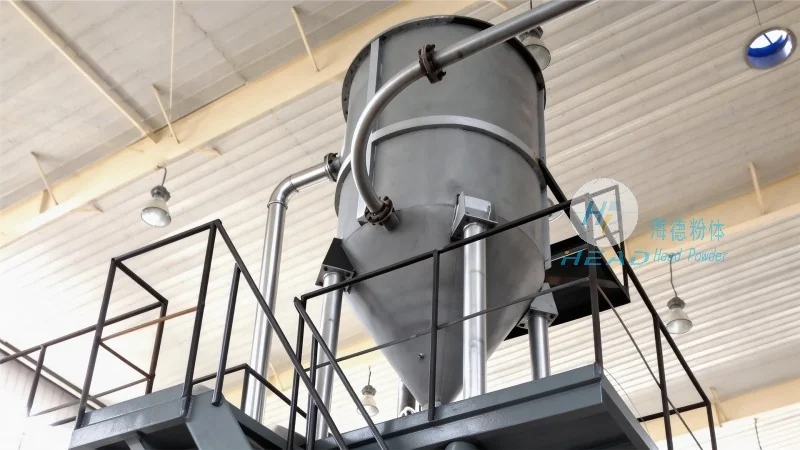
Pneumatic conveying for metal particles operates on the principle of using compressed air or other gases to move particulate materials through a pipeline. The process typically involves a hopper or feeder where metal particles are introduced, followed by the introduction of air or gas into the system. As the air flows through the pipeline, it creates a flow that lifts and transports the metal particles from the source to the destination. This method eliminates the need for mechanical components like belts or chains, reducing wear and maintenance requirements while ensuring a clean and dust-free transfer of materials.
The working principle can be further categorized into two main types: dilute phase and dense phase conveying. Dilute phase systems use higher air velocities to transport particles in a relatively low concentration, suitable for long-distance or high-velocity applications. Dense phase systems, on the other hand, operate at lower air velocities with higher particle concentrations, which is ideal for handling abrasive or sensitive metal powders, as it minimizes particle degradation and equipment wear.
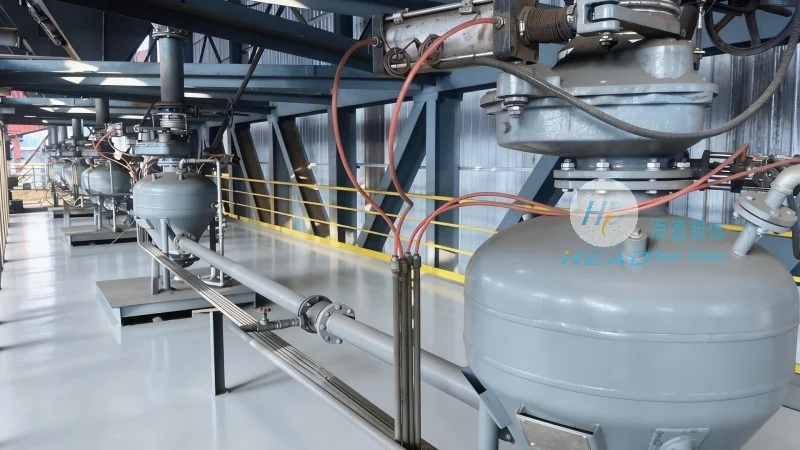
Key characteristics of metal particle pneumatic conveying systems include high efficiency in material transport, as they can move large volumes of material over considerable distances with minimal energy consumption compared to traditional methods. Additionally, these systems offer flexibility in layout, allowing for complex piping configurations to accommodate various industrial setups. The enclosed nature of the conveying process ensures environmental safety by preventing dust emissions and contamination, which is crucial for metal processing industries where cleanliness and product integrity are paramount.
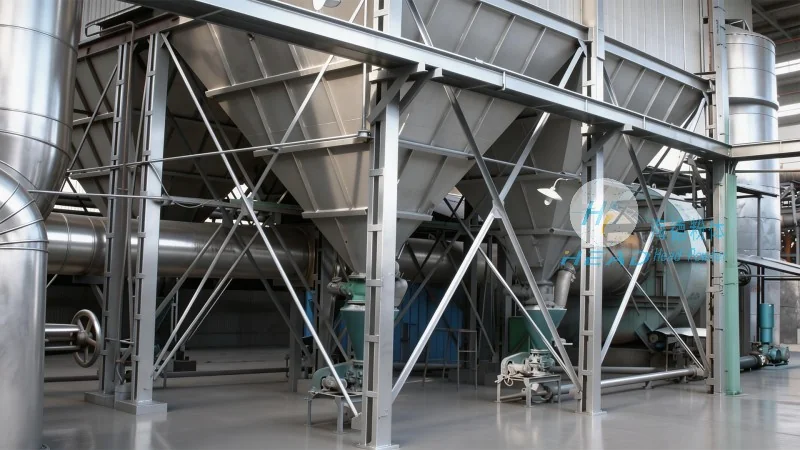
Another significant characteristic is the ability to handle a wide range of metal particle sizes and shapes, from fine powders to larger chunks, without requiring pre-processing or sorting. This versatility makes pneumatic conveying a preferred choice for industries dealing with diverse metal materials, such as steel, aluminum, or copper powders. The systems also provide precise control over the flow rate and pressure, enabling operators to adjust the conveying speed according to specific production needs, thereby optimizing operational efficiency.
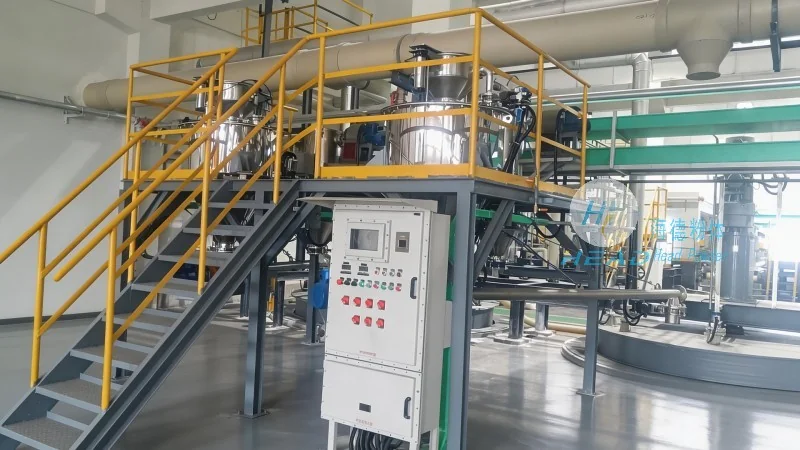
From an operational perspective, the maintenance of pneumatic conveying systems for metal particles is generally lower compared to mechanical systems. The absence of moving parts in the conveying line reduces the risk of mechanical failure and simplifies routine checks. However, the system relies on the proper management of air pressure and flow, which requires regular monitoring and adjustment to maintain optimal performance. HeadPowder's expertise in designing and manufacturing these systems ensures that clients receive equipment tailored to their specific material characteristics and operational requirements, enhancing reliability and longevity.
In conclusion, the working principle and characteristics of pneumatic conveying for metal particles highlight its advantages in material handling, particularly in industries that demand efficient, clean, and flexible transport solutions. By leveraging compressed air to move metal particles through pipelines, these systems offer a reliable alternative to traditional methods, contributing to improved productivity and reduced operational costs for businesses in the metal processing sector. HeadPowder, with its commitment to engineering excellence, continues to provide advanced pneumatic conveying solutions that meet the evolving needs of the industry.

 Shandong Headpowder Engineering Co., Ltd.
 156-6277-7102(Manager Zhang)
  0531-83386006
  Zhangqiu District, Jinan City, Shandong Province, China
telephone
WeChatconsult
top