

What is an Intelligent Material Pneumatic Conveying System? What Are Its Design Principles?
Intelligent material pneumatic conveying systems represent a sophisticated advancement in material handling technology, designed to efficiently transport bulk materials through a network of pipes using air or other gases. These systems are particularly valuable in industries where traditional methods like belt conveyors or bucket elevators may be less suitable due to material characteristics, space constraints, or the need for dust control. Understanding the core components and design principles of such systems is essential for optimizing material flow and operational efficiency.
Key Components of an Intelligent Material Pneumatic Conveying System
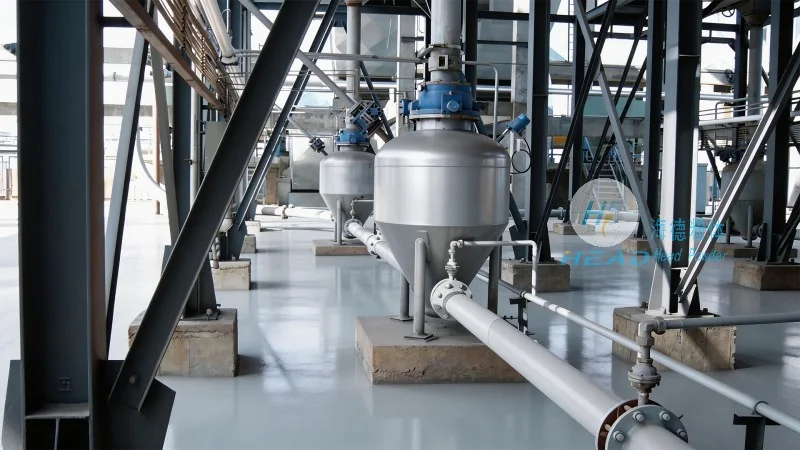
An intelligent material pneumatic conveying system typically consists of several critical components that work in tandem to ensure reliable and efficient material transport. The primary elements include a material feeder, which accurately meters and introduces the bulk material into the system. This is often followed by a venturi or eductor that creates the necessary airflow to move the material through the pipeline. A filter system is also integral, as it captures and separates any fine particles or dust from the air stream, ensuring compliance with environmental regulations and maintaining system cleanliness. Additionally, a control unit manages the entire operation, allowing for real-time adjustments based on material type, flow rate, and system pressure. The system may also incorporate sensors and monitoring devices to provide feedback on performance, enabling proactive maintenance and optimizing operational parameters.
Design Principles Underpinning Intelligent Material Pneumatic Conveying
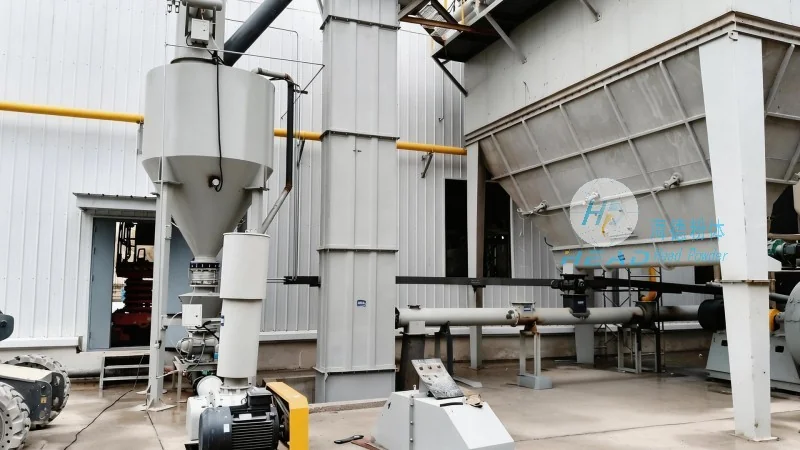
The design of an intelligent material pneumatic conveying system is guided by several fundamental principles aimed at maximizing efficiency, reliability, and adaptability. One key principle is the selection of appropriate air velocity and pressure to ensure that the material is adequately suspended and transported without causing excessive wear on components or excessive energy consumption. Engineers must consider the specific physical properties of the material, such as particle size, density, and moisture content, to determine the optimal air flow rate and pressure. Another critical principle is the system layout, which must be carefully planned to minimize pressure losses and ensure smooth material flow. This includes considerations of pipe diameter, bends, and the placement of components like filters and controls. The integration of intelligent controls further enhances the system's performance, allowing for dynamic adjustments to accommodate varying material loads or operational conditions. This adaptability is crucial for maintaining consistent throughput and preventing system downtime.
Applications and Benefits of Intelligent Material Pneumatic Conveying
Intelligent material pneumatic conveying systems find widespread application across various industries, including pharmaceuticals, food processing, chemical manufacturing, and mining. Their ability to handle a diverse range of materials, from fine powders to granules, makes them an ideal solution for processes requiring precise material control and minimal contamination. The systems offer several distinct benefits, including improved safety through enclosed material handling, reduced labor costs by automating material transport, and enhanced environmental compliance by effectively managing dust and emissions. Additionally, the intelligent control features allow for real-time monitoring and adjustment, leading to higher operational efficiency and lower maintenance costs over the system's lifecycle.
Conclusion and Company Overview
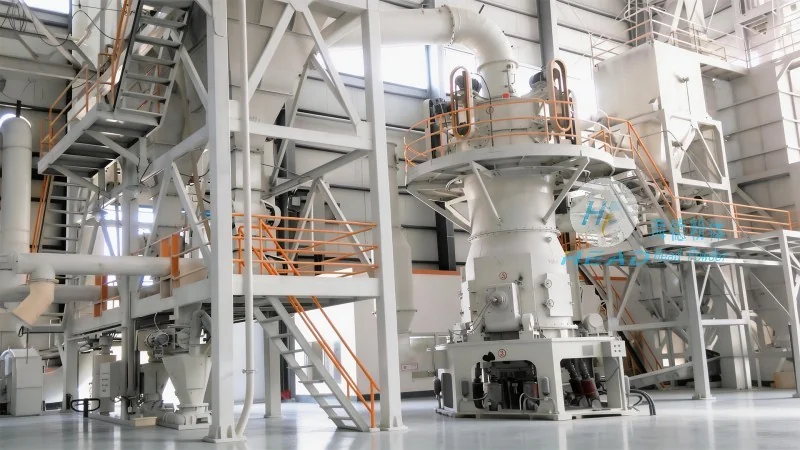
Intelligent material pneumatic conveying systems represent a sophisticated solution for modern material handling challenges, combining advanced technology with robust design principles to deliver reliable and efficient material transport. By understanding the key components and design considerations, industries can optimize their operations and achieve greater productivity. As a leading provider in this field, Shandong HeadPowder Engineering Co., Ltd. specializes in the design, manufacturing, and implementation of such systems, leveraging years of expertise to deliver tailored solutions that meet the unique needs of each client. With a commitment to quality and innovation, the company continues to advance the capabilities of pneumatic conveying technology, supporting industries in achieving their operational goals while maintaining high standards of safety and environmental responsibility.