

What is a Potato Starch Material Pneumatic Conveying System? And What Are Its Design Principles?
When it comes to efficiently handling and transporting bulk materials like potato starch, the choice of a reliable and effective system is crucial. This article delves into the world of potato starch material pneumatic conveying systems, exploring their functionality and the underlying design principles that make them a preferred solution in various industrial applications.
Pneumatic Conveying Systems: An Overview
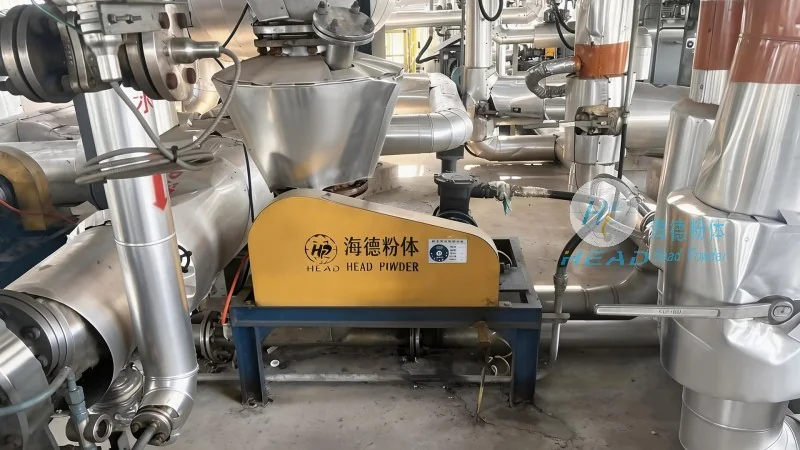
Pneumatic conveying systems utilize air or other gases to transport solid materials through a pipeline. Unlike traditional mechanical systems that rely on belts, buckets, or screws, pneumatic systems offer advantages such as reduced maintenance, lower energy consumption, and the ability to handle a wide range of materials, including fine powders like potato starch. The core components of a typical pneumatic conveying system include a material feed hopper, a conveyor line, a dust collector, and a control system. These components work in tandem to ensure smooth and continuous material transfer from the source to the destination.
Design Principles for Potato Starch Material Pneumatic Conveying
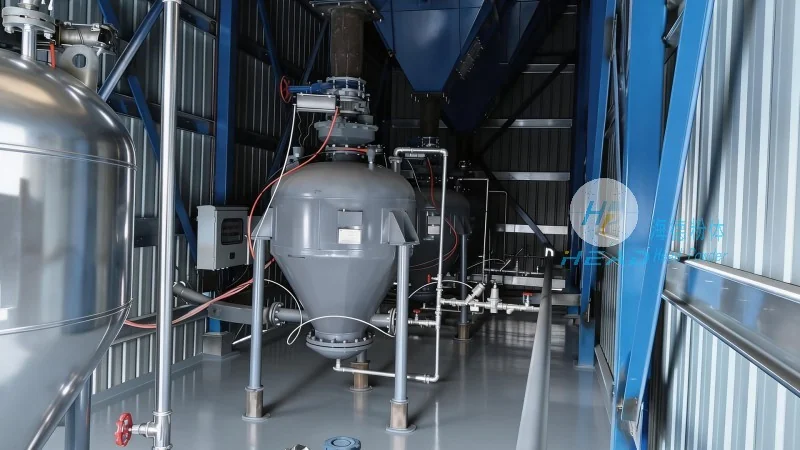
The design of a potato starch material pneumatic conveying system is tailored to the specific characteristics of the material being handled. For potato starch, which is a fine, dry powder, several key design principles must be considered to ensure optimal performance and prevent issues like blockages or material degradation. First, the system must be designed to handle the material's particle size and flow properties. Potato starch particles are typically small and can be prone to agglomeration, so the system may incorporate features like agitators or vibration mechanisms to maintain material flow. Second, the air velocity within the pipeline is critical. Proper air velocity ensures that the material is fully entrained and conveyed without causing excessive pressure drops or energy waste. Engineers often use computational fluid dynamics (CFD) to model and optimize the air velocity and pipeline dimensions for the specific material. Third, the system must address the potential for dust and air pollution. Effective dust collection and filtration systems are integrated to comply with environmental regulations and maintain a clean working environment. Additionally, the system's material of construction is important, as potato starch can be hygroscopic and may require corrosion-resistant materials to prevent degradation over time.
HeadPowder: Expert in Potato Starch Material Pneumatic Conveying Solutions
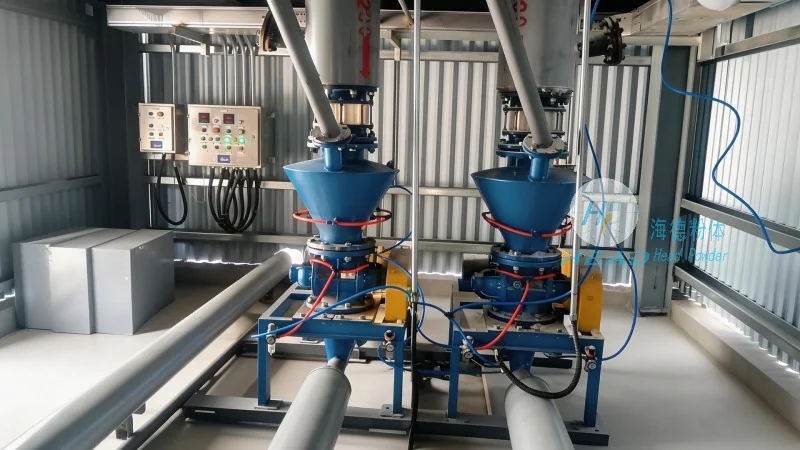
Shandong HeadPowder Engineering Co., Ltd., commonly known as HeadPowder, is a leading provider of specialized pneumatic conveying systems for the food and starch processing industries. With years of experience and a deep understanding of material handling challenges, HeadPowder has developed innovative solutions tailored to the unique needs of potato starch processing. The company's expertise lies in designing systems that not only meet but exceed industry standards for efficiency, reliability, and safety. HeadPowder's team of engineers works closely with clients to assess their specific requirements, from the type of potato starch being processed to the scale of the operation, and then designs a customized system that maximizes performance while minimizing downtime and maintenance costs. The company's commitment to quality is evident in its use of high-grade materials and rigorous testing protocols, ensuring that each system is built to withstand the demands of continuous operation in a starch processing facility. HeadPowder's systems are known for their durability, energy efficiency, and ease of integration into existing production lines, making them a trusted choice for businesses looking to enhance their material handling capabilities.
Key Features and Benefits of HeadPowder's Systems
HeadPowder's potato starch material pneumatic conveying systems are equipped with several key features that contribute to their superior performance. These include variable speed drives that allow for precise control of air flow and material transport, reducing energy consumption and preventing over-pressurization. The systems also feature advanced control panels with real-time monitoring capabilities, enabling operators to track system performance and identify potential issues before they escalate. Additionally, the company's systems are designed with easy access points for maintenance, minimizing downtime and ensuring that routine checks and repairs can be performed quickly and efficiently. The benefits of using HeadPowder's systems extend beyond just improved efficiency; they also contribute to a safer working environment by reducing the need for manual handling of bulk materials and minimizing dust exposure. For potato starch processors, this translates to higher productivity, lower operational costs, and a more sustainable operation.
Conclusion
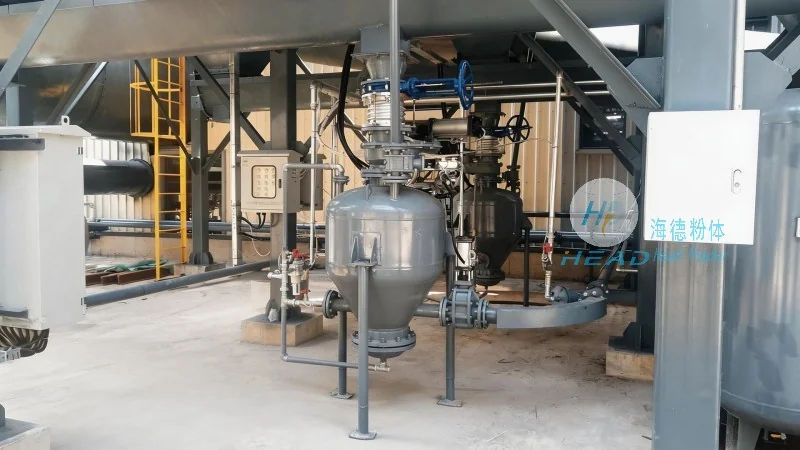
In conclusion, potato starch material pneumatic conveying systems represent a sophisticated and efficient solution for the transportation of fine powders in the food processing industry. The design principles that underpin these systems, combined with the expertise of companies like Shandong HeadPowder Engineering Co., Ltd., ensure that they can handle the unique challenges of potato starch processing while delivering reliable and cost-effective performance. As industries continue to seek more efficient and sustainable material handling solutions, pneumatic conveying systems remain a top choice, and companies like HeadPowder play a vital role in advancing this technology to meet the evolving needs of the market.