

What is a Plastic Powder Pneumatic Conveying Equipment? And What Are Its Design Principles?
Plastic powder pneumatic conveying equipment is a specialized system designed to transport plastic powders and granules through a pipeline using compressed air or other gas as the conveying medium. This technology is widely used in the plastic manufacturing industry to efficiently move raw materials from storage to processing units, ensuring a smooth and controlled flow of materials. The equipment plays a crucial role in enhancing production efficiency and maintaining the quality of plastic powders during transportation.
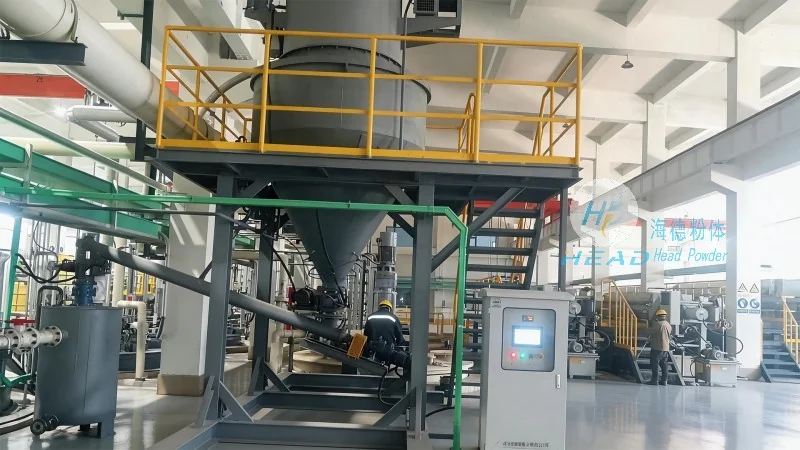
Key Components of the Pneumatic Conveying System
The plastic powder pneumatic conveying system typically consists of several key components that work together to facilitate the transport process. These components include the hopper or feeder, which holds the plastic powder and controls the flow rate; the air compressor or blower, which generates the necessary pressure to move the material; the pipeline system, which serves as the conduit for the powder and air mixture; and the receiver or discharge unit, where the material is collected after transport. Each component is carefully designed to ensure optimal performance and minimal material degradation during the conveying process.
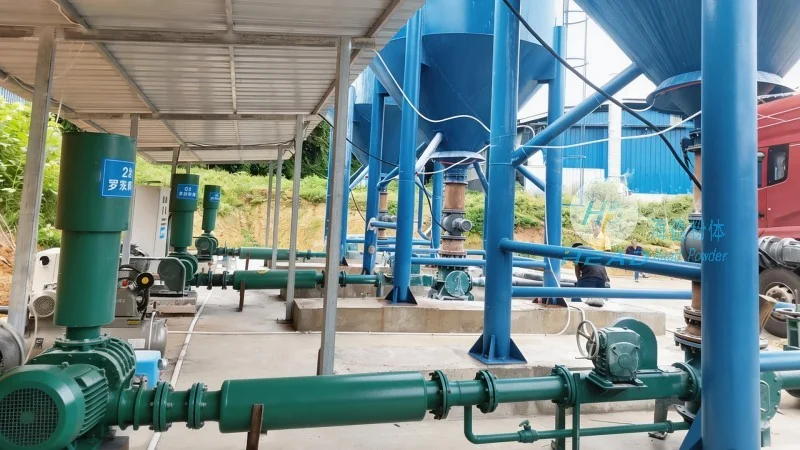
Design Principles and Operational Mechanisms
The design principles of plastic powder pneumatic conveying equipment are centered on achieving efficient material transport with minimal energy consumption and material loss. The system operates based on the principle of fluidization, where the plastic powder is suspended in the air stream and carried through the pipeline. The velocity of the air and the size of the powder particles are critical factors that determine the conveying capacity and efficiency of the system. Engineers design the equipment to maintain a consistent air velocity that is sufficient to keep the powder particles in suspension without causing excessive pressure drops or material degradation. Additionally, the system may incorporate features such as cyclone separators or filters to separate the powder from the air and prevent dust emissions, ensuring compliance with environmental regulations and maintaining a clean working environment.
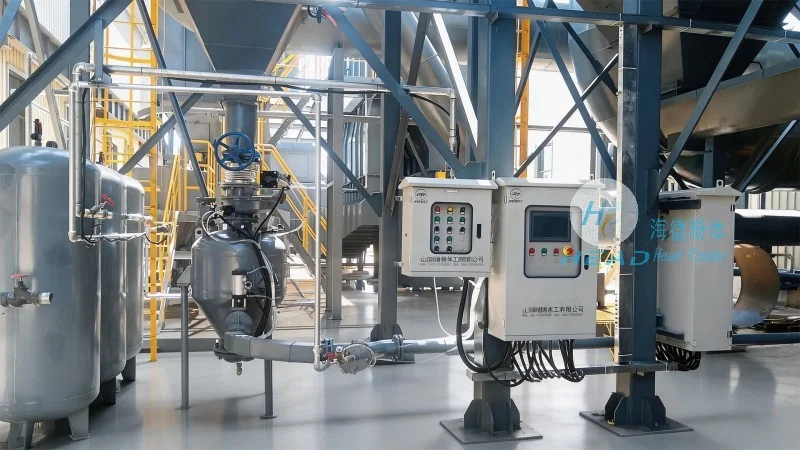
Advantages of Using Pneumatic Conveying for Plastic Powders
There are several advantages to using pneumatic conveying equipment for plastic powders compared to traditional methods like belt conveyors or bucket elevators. One of the primary benefits is the ability to transport materials in a closed system, which helps to prevent contamination from external sources and reduces dust emissions. This is particularly important for plastic powders, which can be sensitive to moisture and other environmental factors. Another advantage is the flexibility of the system, as it can be easily adapted to different production layouts and can transport materials over long distances with minimal maintenance. The equipment also offers high conveying rates and can handle a wide range of plastic powder types, including those with varying particle sizes and densities. Furthermore, pneumatic conveying systems can be integrated with other processing equipment, such as mixers and extruders, to create a seamless production line that improves overall efficiency and reduces downtime.
Applications in the Plastic Industry
Plastic powder pneumatic conveying equipment is widely used in various applications within the plastic manufacturing industry. For example, in the production of plastic resins, the equipment is used to transport raw plastic powders from storage silos to the extrusion or molding machines. In the manufacturing of plastic compounds, it can be used to blend different plastic powders and additives before processing. Additionally, the equipment is used in the production of plastic pellets, where it helps to transport the finished product from the extrusion line to storage or packaging units. The versatility of the system makes it suitable for a wide range of plastic products, from common polymers like polyethylene and polypropylene to more specialized materials like engineering plastics and bioplastics.
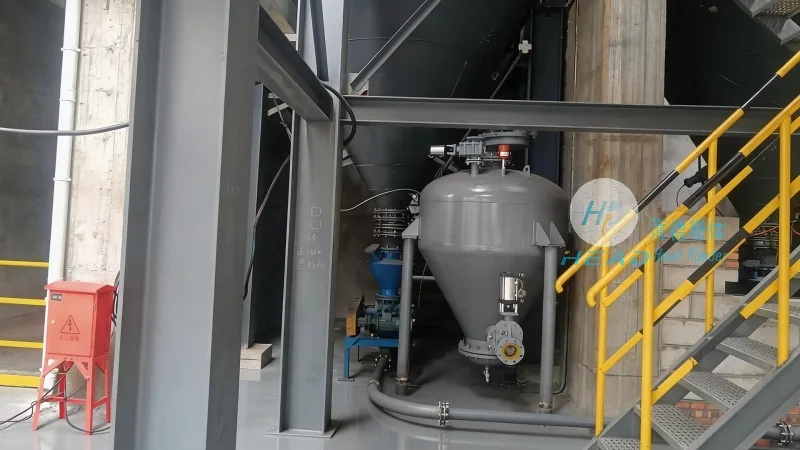
Maintenance and Operational Considerations
Proper maintenance and operational considerations are essential to ensure the long-term performance and reliability of plastic powder pneumatic conveying equipment. Regular maintenance tasks include checking the air compressor for proper operation, inspecting the pipeline for leaks or blockages, and cleaning the cyclone separators and filters to prevent clogging. It is also important to monitor the air pressure and flow rate to ensure they are within the optimal range for the specific material being conveyed. Additionally, operators should be trained to handle the equipment safely and to recognize any signs of wear or damage that may indicate a need for repair or replacement. By following proper maintenance procedures and operational guidelines, manufacturers can extend the lifespan of the equipment and minimize downtime, ultimately improving production efficiency and reducing costs.