

What is a Dry Powder and Particulate Pneumatic Conveying System? And What Are Its Design Principles?
A dry powder and particulate pneumatic conveying system is a specialized industrial solution designed to transport dry powders and particulate materials through a pipeline using air or other gas as the conveying medium. This technology is widely used across various industries, including pharmaceuticals, food processing, chemical manufacturing, and mining, due to its efficiency, flexibility, and ability to handle a wide range of materials. The system operates by creating a flow of air within a closed pipeline, which lifts and transports the material from the source to the destination. The design of such a system involves several critical components and principles that ensure optimal performance and reliability.
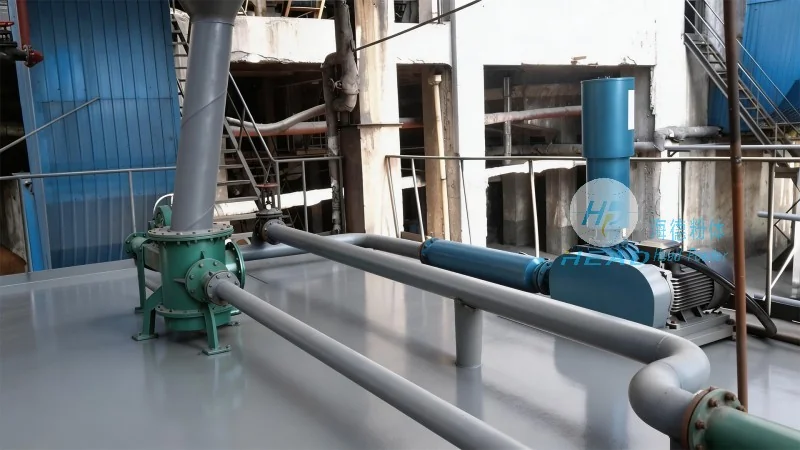
Key Components of a Pneumatic Conveying System
The core components of a dry powder and particulate pneumatic conveying system typically include a material feed hopper, a conveyor line (usually made of metal or plastic), a fan or blower to generate the air flow, and a discharge unit at the receiving end. The feed hopper is responsible for storing and feeding the material into the system, while the conveyor line provides the path for material transport. The fan or blower generates the necessary air pressure and velocity to move the material. The discharge unit, such as a rotary valve or a venturi, controls the release of the material at the destination. Additionally, the system may include accessories like filters, cyclones, and pressure vessels to manage dust and maintain air quality.
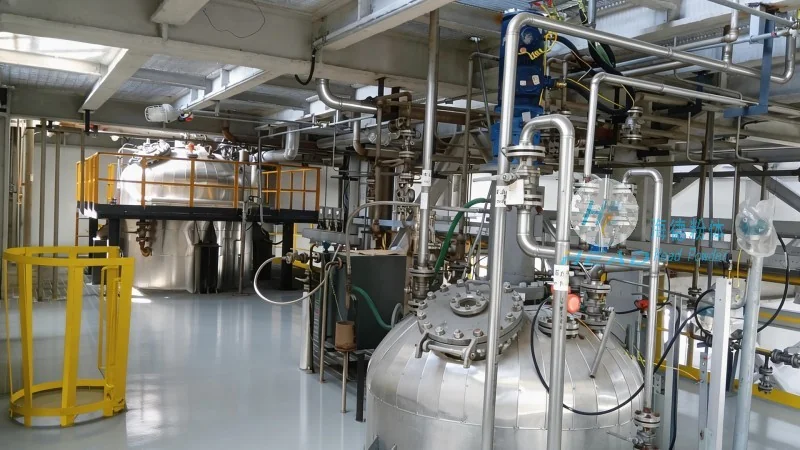
Design Principles and Considerations
The design of a pneumatic conveying system for dry powders and particulates is governed by several key principles to ensure efficient and reliable operation. First, the system must be designed to handle the specific properties of the material being conveyed, such as particle size, density, moisture content, and flowability. These properties affect the air velocity required to lift and transport the material. For example, fine powders may require higher air velocities to prevent clogging or deposition in the pipeline, while larger particles may need lower velocities to avoid excessive wear on the system components. Second, the system must be engineered to maintain a consistent air flow and pressure throughout the conveying line to avoid fluctuations that could lead to material blockages or system inefficiencies. This involves proper sizing of the fan, the diameter of the conveyor line, and the length and layout of the pipeline. Third, the design must consider the overall system efficiency, including energy consumption and material recovery. Efficient systems minimize energy waste and maximize the recovery of conveyed material, which is crucial for cost-effectiveness and environmental compliance. Finally, safety and maintenance considerations are integral to the design, ensuring that the system operates within safe pressure limits and can be easily maintained and repaired.
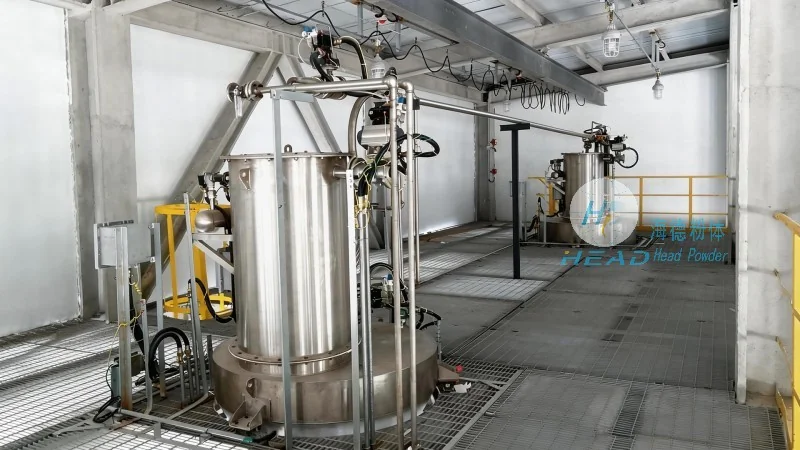
Applications and Benefits of Pneumatic Conveying
Dry powder and particulate pneumatic conveying systems are employed in a variety of applications across different industries. In the pharmaceutical industry, these systems are used to transport active pharmaceutical ingredients (APIs) and excipients with high purity requirements, ensuring that the material remains uncontaminated during transport. In food processing, they are used to handle powders like flour, sugar, and spices, maintaining product quality and preventing cross-contamination. In chemical manufacturing, they transport raw materials and intermediates, often in hazardous environments, where the system's ability to handle corrosive or toxic materials is critical. The benefits of using pneumatic conveying systems include improved material handling efficiency, reduced labor costs, and enhanced safety compared to traditional methods like bucket elevators or belt conveyors. Additionally, these systems can handle materials that are difficult to transport using other methods, such as sticky or cohesive powders, by adjusting the air flow and system design to maintain material flow.
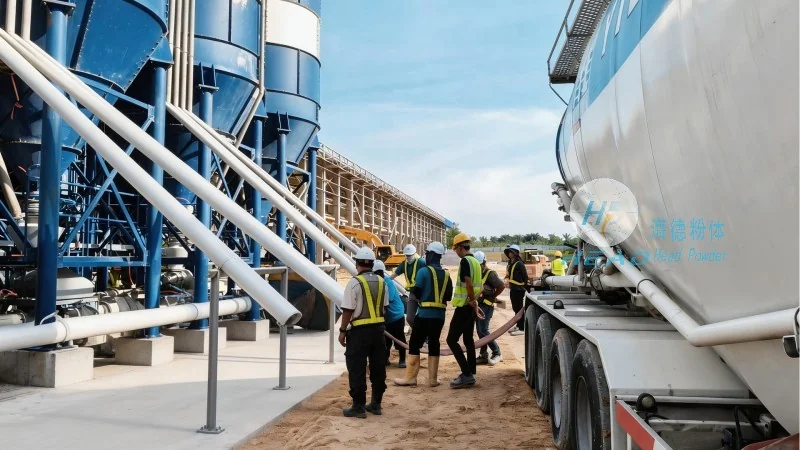
Customization and Engineering by Shandong HeadPowder Engineering Co., Ltd.
Shandong HeadPowder Engineering Co., Ltd., a leading provider of industrial conveying solutions, specializes in designing and manufacturing custom pneumatic conveying systems tailored to the specific needs of their clients. With headquarters in Shandong, China, the company leverages decades of experience in the field to develop innovative solutions that meet the unique requirements of each project. The company's engineering team works closely with clients to assess material properties, process requirements, and operational constraints to design a system that maximizes efficiency and reliability. Customization options include different conveyor line materials (such as stainless steel for sanitary applications or plastic for corrosive environments), varying fan sizes and types (centrifugal or positive displacement), and specialized components like high-efficiency filters and cyclones to ensure optimal performance. Shandong HeadPowder Engineering Co., Ltd. also provides comprehensive support, including installation, commissioning, and maintenance services, to ensure that the system operates at peak performance throughout its lifecycle. By focusing on detailed engineering and customer collaboration, the company ensures that each pneumatic conveying system is optimized for the specific application, delivering long-term benefits and cost savings for their clients.