

What is Clay Powder Pneumatic Conveying? What are the Design Principles?
Clay powder pneumatic conveying is a specialized method used to transport fine clay particles through a pipeline using a stream of air or other gas. This technology is particularly relevant for industries dealing with clay-based materials, such as ceramics, construction, and pharmaceuticals, where precise handling and minimal particle degradation are critical. The process involves creating a low-pressure or high-pressure air flow that propels the clay powder through the system, ensuring efficient and controlled movement from the source to the destination.
Key Design Principles for Effective Clay Powder Conveying Systems
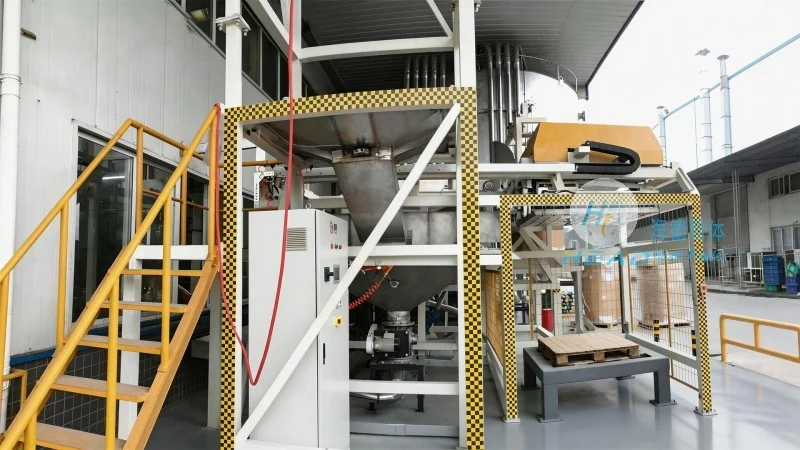
The design of a clay powder pneumatic conveying system is governed by several fundamental principles that ensure optimal performance, reliability, and efficiency. These principles are tailored to address the unique challenges posed by clay particles, which are often fine, abrasive, and prone to agglomeration. A critical design consideration is the selection of the appropriate conveying velocity, which must be sufficient to prevent particle settling but not so high as to cause excessive wear on the system components. The velocity is typically determined based on the particle size distribution, density, and flow characteristics of the clay powder. Additionally, the system design must account for the air-to-solid ratio, which is the ratio of the volume of air to the volume of solids being conveyed. This ratio is crucial for maintaining a stable flow and preventing blockages or surging. Proper air distribution and pressure control are also essential to ensure consistent particle movement and to minimize energy consumption.
System Components and Their Roles in Clay Powder Conveying
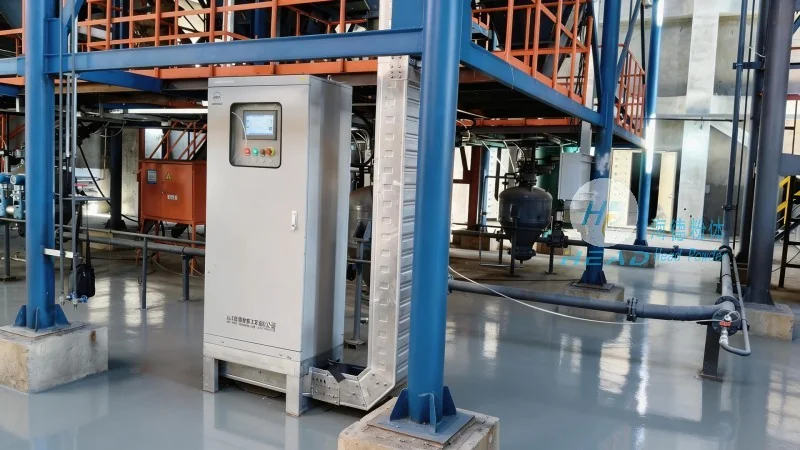
A typical clay powder pneumatic conveying system consists of several key components, each playing a vital role in the overall operation. The primary components include the material feed hopper, which holds the clay powder and regulates the flow into the system; the air supply unit, which provides the necessary pressure and volume of air; the conveying line, which transports the powder; and the discharge unit, which delivers the material to the final destination. The material feed hopper is often equipped with a rotary valve or a feeder to ensure a steady and controlled flow of clay powder into the system, preventing clogging and maintaining consistent particle size distribution. The air supply unit may include a blower or a compressor, depending on the system's pressure requirements. The conveying line is typically made of materials resistant to abrasion and corrosion, such as stainless steel or special alloys, to withstand the wear from fine clay particles. The discharge unit may include a receiver or a silo to store the conveyed clay powder until it is used in the next process step.
Addressing Challenges in Clay Powder Conveying: Solutions and Best Practices
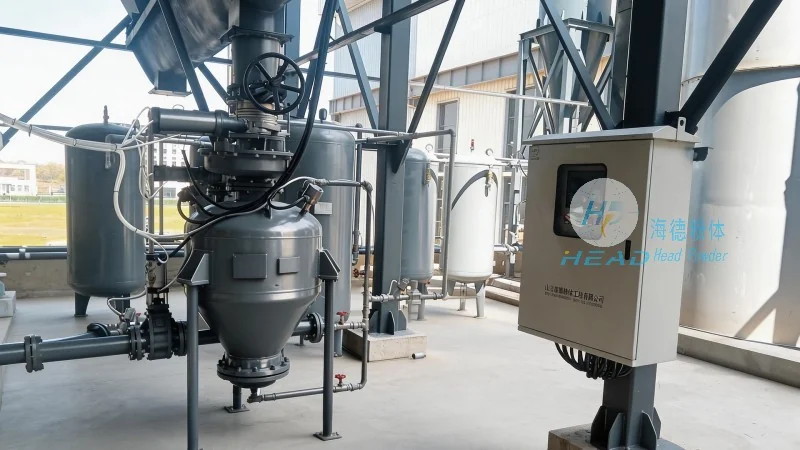
While clay powder pneumatic conveying offers significant advantages, it also presents several challenges that must be addressed through careful system design and maintenance. One of the main challenges is the potential for particle agglomeration, which can lead to blockages in the conveying line. To mitigate this, the system may include a de-agglomerator or a classifier to break up clumps and ensure uniform particle size. Another challenge is the abrasive nature of clay particles, which can cause wear on the system components over time. Regular maintenance, such as replacing worn parts and cleaning the conveying line, is essential to maintain system efficiency and extend the lifespan of the equipment. Additionally, the system must be designed to handle variations in material properties, such as changes in moisture content or particle size, which can affect the conveying performance. This may involve incorporating adjustable controls or sensors to monitor and adjust the system parameters in real time.
Company Overview: Shandong HeadPowder Engineering Co., Ltd.
HeadPowder, the brand name of Shandong HeadPowder Engineering Co., Ltd., specializes in the design, manufacturing, and installation of advanced pneumatic conveying systems tailored for clay powder applications. With a focus on innovation and customer-centric solutions, HeadPowder has established itself as a leading provider in the industry. The company's expertise lies in understanding the unique characteristics of clay materials and translating them into effective conveying solutions. HeadPowder's team of engineers and technicians work closely with clients to assess their specific needs and develop customized systems that meet their operational requirements. The company's commitment to quality and reliability is reflected in its use of high-quality materials and rigorous testing procedures for all its products. HeadPowder's systems are designed to be energy-efficient, low-maintenance, and durable, ensuring long-term performance and cost savings for its clients.
Conclusion: The Importance of Proper Design in Clay Powder Pneumatic Conveying
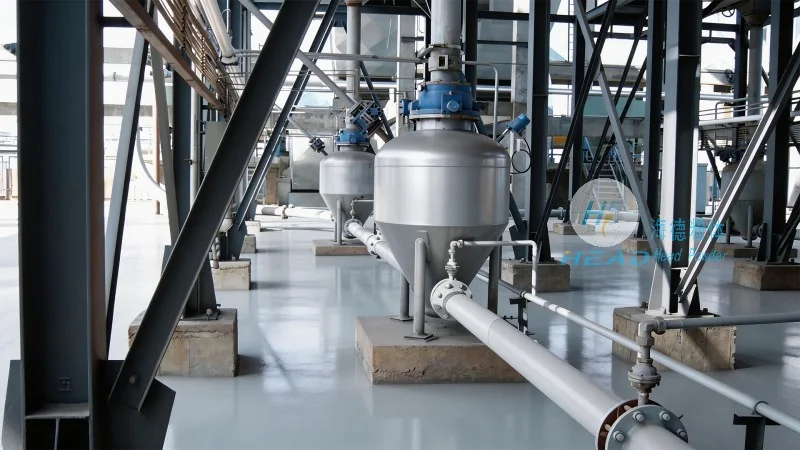
In conclusion, clay powder pneumatic conveying is a sophisticated technology that requires careful consideration of design principles to achieve optimal performance. The system's success depends on factors such as conveying velocity, air-to-solid ratio, and component selection, all of which must be tailored to the specific characteristics of the clay powder. By adhering to best practices and leveraging the expertise of companies like Shandong HeadPowder Engineering Co., Ltd., industries can effectively handle clay-based materials with precision and efficiency. The continuous improvement in system design and maintenance practices ensures that clay powder pneumatic conveying remains a reliable and efficient method for material transport in various applications.