

What is Iron Sand Powder Pneumatic Conveying? And What Are Its Design Principles?
Iron sand powder pneumatic conveying is a specialized method used in material handling and processing industries to transport iron sand powder through a pipeline system using air pressure. This technology is particularly relevant for applications involving iron sand, a fine particulate material often used in various industrial processes. The core of this system lies in the efficient and reliable movement of iron sand powder from a source to a destination, ensuring minimal loss and optimal performance. Understanding the design principles behind such a system is crucial for engineers and industry professionals to implement effective solutions for iron sand handling.
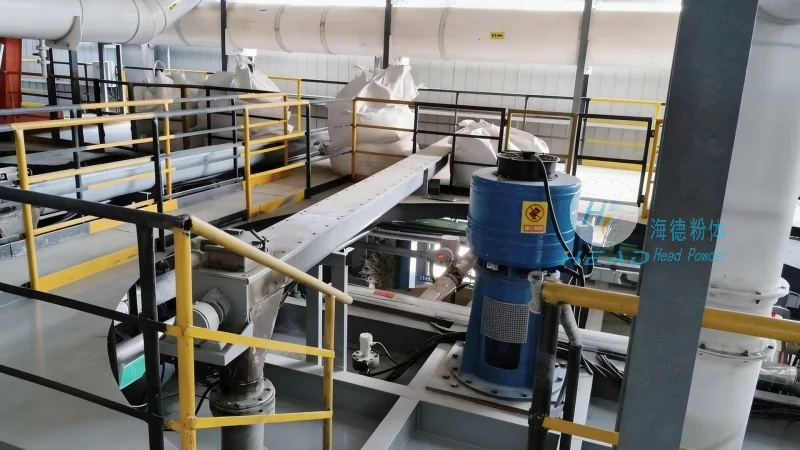
Key Components of the Pneumatic Conveying System
The pneumatic conveying system for iron sand powder typically consists of several critical components that work in tandem to achieve the desired material transport. These components include the material feed hopper, which holds the iron sand powder and controls the flow rate; the air compressor or blower, which generates the necessary air pressure to move the powder; the pipeline network, which serves as the conduit for both the powder and air; and the receiving hopper or silo, where the iron sand powder is deposited at the destination. Each component plays a vital role in the overall efficiency and reliability of the system. For instance, the feed hopper must be designed to prevent clogging and ensure a consistent feed rate, while the air compressor must provide sufficient pressure to overcome resistance in the pipeline and maintain the flow of iron sand powder. The pipeline design, including the diameter, length, and bends, also significantly impacts the system's performance, as excessive bends or narrow sections can lead to increased pressure drop and potential blockages.
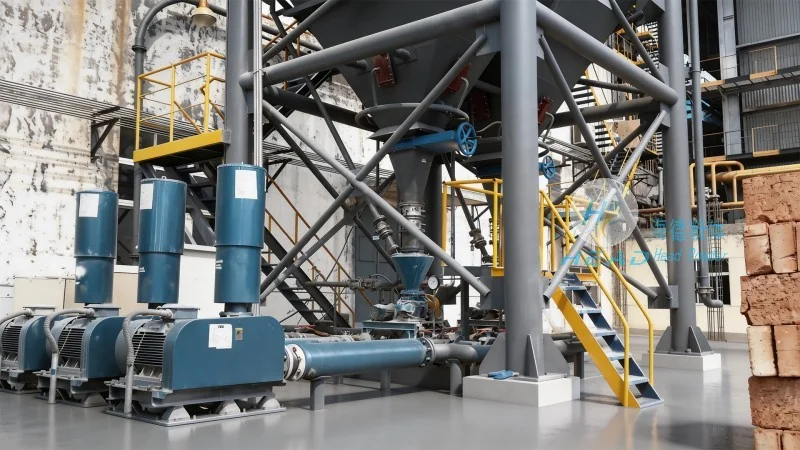
Design Principles for Iron Sand Powder Pneumatic Conveying
The design principles of an iron sand powder pneumatic conveying system are centered around optimizing the balance between air flow, particle characteristics, and system pressure. The primary design principle is to ensure that the air velocity within the pipeline is sufficient to suspend the iron sand particles and maintain a stable flow. This is often referred to as the "minimum conveying velocity" or "critical velocity," which is determined by the particle size, density, and shape of the iron sand powder. Engineers must calculate this velocity to prevent particle deposition or settling within the pipeline, which can lead to blockages and system failure. Another critical design principle is the consideration of pressure drop, which is the reduction in air pressure as it travels through the pipeline due to friction and other resistances. Proper sizing of the pipeline and the use of appropriate fittings and valves are essential to minimize pressure drop and ensure that the air compressor can maintain the required pressure. Additionally, the system design must account for the potential for dust generation and the need for proper filtration and dust collection to comply with environmental regulations and maintain workplace safety. The selection of materials for the pipeline and components is also a key design consideration, as iron sand powder can be abrasive and corrosive, requiring durable materials such as stainless steel or special coatings to prevent wear and degradation over time.
Applications and Benefits of Iron Sand Powder Pneumatic Conveying
The application of iron sand powder pneumatic conveying spans various industries where iron sand is a key raw material. For example, in the steel and metal processing industry, iron sand is used as a feedstock for smelting and alloy production. The pneumatic conveying system allows for the efficient transport of iron sand from storage silos to processing equipment, reducing the need for manual handling and minimizing material loss. In the construction industry, iron sand is used in concrete and mortar formulations, and the pneumatic system enables the precise delivery of iron sand to mixing plants. The benefits of this technology include improved safety by eliminating manual handling of fine powders, reduced material waste due to minimal spillage, and increased operational efficiency through automated and continuous material transport. Furthermore, the system can be integrated with other processing equipment, such as classifiers and dryers, to form a complete iron sand processing line, enhancing overall productivity. The flexibility of pneumatic conveying also allows for the transport of iron sand powder over long distances and in complex layouts, making it suitable for large-scale industrial operations.
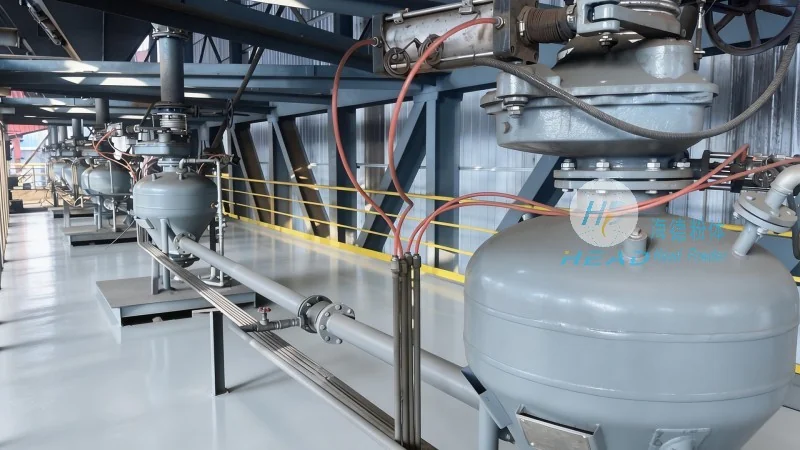
Challenges and Solutions in Iron Sand Powder Pneumatic Conveying
Despite its advantages, iron sand powder pneumatic conveying systems face several challenges that must be addressed to ensure optimal performance. One of the primary challenges is the potential for particle segregation and agglomeration, which can occur if the iron sand powder is not properly mixed or if the system experiences fluctuations in air pressure. This can lead to uneven flow and blockages in the pipeline. To mitigate this, engineers may implement measures such as adding mixing devices or using oscillating feeders to ensure a uniform particle distribution. Another challenge is the risk of dust explosions, which can be a serious safety hazard in environments with fine iron sand powder. Proper dust collection systems and explosion-proof designs are essential to prevent such incidents. Additionally, the system may experience pressure drop due to wear and tear on components, which can reduce the conveying capacity over time. Regular maintenance and inspection of the pipeline and components are necessary to address this issue and ensure the system's longevity. Finally, the cost of the initial setup and the energy consumption of the air compressor can be significant factors for industrial operations. However, the long-term benefits, such as reduced labor costs and increased efficiency, often outweigh these initial investments.