With more than 10‑year industry experience, Shandong Headpowder delivers full‑service pneumatic‑conveying systems and blowers, undertaking nationwide turn‑key powder‑handling projects.
Your current position:首页 >> News >> Insights

What is a Quicklime Material Handling System? What are the Design Principles?

Release time:2026-09-15 00:03:37
name of the company:Shandong Headpowder Engineering Co., Ltd.
telephone:156-6277-7102
contacts:Manager Zhang

Quicklime, also known as calcium oxide (CaO), is a crucial industrial material widely used in various sectors such as construction, steel production, and chemical manufacturing. The efficient handling and transportation of quicklime are essential for maintaining production efficiency and ensuring safety in industrial operations. This article explores the concept of a quicklime material handling system and delves into the fundamental design principles that govern its construction and functionality.
What is a Quicklime Material Handling System? What are the Design Principles?

Understanding Quicklime and Its Handling Requirements

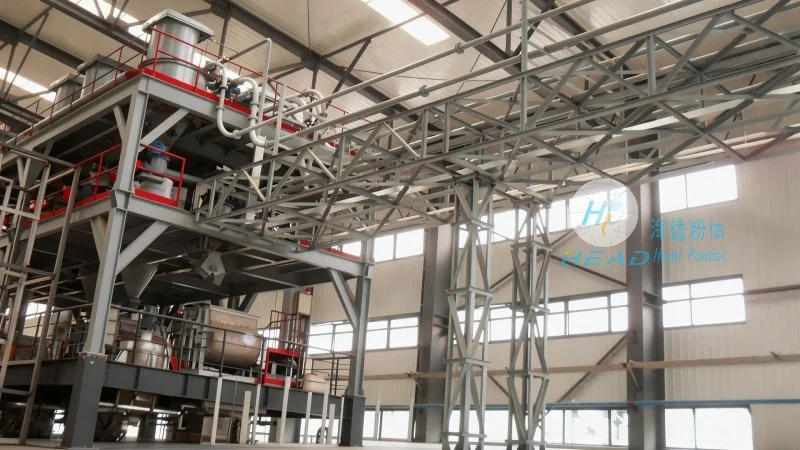
Quicklime is a highly reactive and caustic substance that requires specialized equipment for safe and effective handling. Unlike other bulk materials, quicklime can cause severe burns and release hazardous dust when mishandled. Therefore, the design of a quicklime material handling system must prioritize safety, dust control, and material integrity. The system typically involves components such as feeders, conveyors, storage silos, and discharge mechanisms, all engineered to minimize exposure to the material and prevent environmental contamination.

Key Components of a Quicklime Material Handling System

The core components of a quicklime material handling system are tailored to address the unique properties of the material. These components include:
What is a Quicklime Material Handling System? What are the Design Principles?

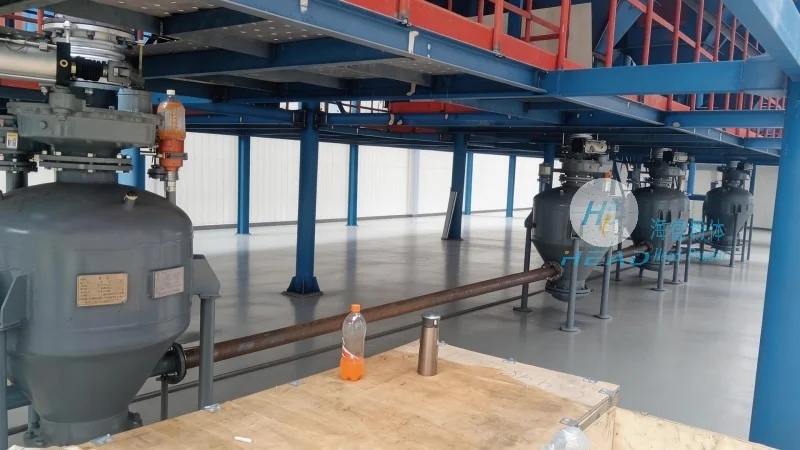
  • Feeding Equipment: Specialized feeders, such as rotary valves or screw conveyors, are used to control the flow of quicklime from storage silos to the conveyor system. These devices ensure a consistent and controlled feed rate, preventing blockages and maintaining system efficiency.
  • Conveyor Systems: Belt conveyors or pneumatic conveying systems are commonly employed to transport quicklime from one location to another. Belt conveyors are preferred for horizontal and slight incline applications due to their durability and ability to handle large volumes. Pneumatic systems, on the other hand, are ideal for vertical or long-distance transport, as they can move material through pipes without the need for physical contact.
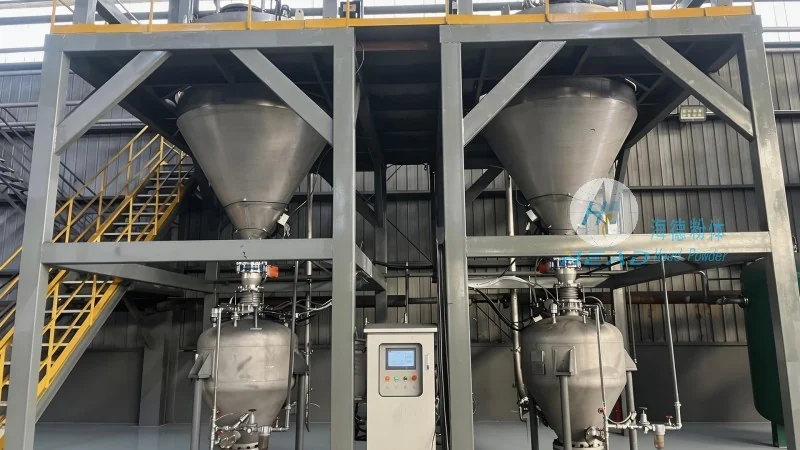
  • Storage Silos: Large-capacity storage silos are used to store quicklime before it is processed or transported. These silos are typically made of corrosion-resistant materials like stainless steel or lined with protective coatings to prevent chemical reactions with the quicklime.
  • Discharge and Dosing Equipment: At the end of the handling process, discharge mechanisms and dosing systems are used to release the quicklime into processing equipment or packaging units. These components are designed to minimize dust generation and ensure accurate dosing, which is critical for maintaining product quality.

Design Principles for Optimal Performance

The design of a quicklime material handling system follows several key principles to ensure reliability, efficiency, and safety. These principles include:
What is a Quicklime Material Handling System? What are the Design Principles?

  • Material Compatibility: All components of the system must be compatible with quicklime to prevent corrosion or degradation. Materials like stainless steel, rubber, and special alloys are commonly used to withstand the chemical properties of the material.
  • Dust Control: Quicklime is a fine powder that can create significant dust during handling. Effective dust control measures, such as enclosed systems, dust collection systems, and proper ventilation, are essential to maintain a safe working environment and comply with environmental regulations.
  • Preventing Rehydration: Quicklime reacts with water to form slaked lime, which can reduce its effectiveness and cause blockages. The system must be designed to minimize exposure to moisture, including proper sealing of storage silos and equipment.
  • Energy Efficiency: Modern quicklime material handling systems are designed to be energy-efficient, reducing operational costs. This includes using variable speed drives for conveyors, optimizing conveyor angles to minimize power consumption, and implementing automated control systems.

Customization and Scalability

Quicklime material handling systems are often customized to meet the specific needs of individual industrial applications. Factors such as the volume of quicklime to be handled, the distance of transport, and the end-use requirements influence the system's design. Scalability is also a key consideration, as systems can be expanded or modified to accommodate increased production demands over time.

Conclusion

A well-designed quicklime material handling system is a critical component of any industrial operation that relies on this versatile material. By adhering to the fundamental design principles of safety, material compatibility, and efficiency, these systems ensure the reliable and safe transport of quicklime while minimizing operational costs and environmental impact. As a leading provider in the field, Shandong HeadPowder Engineering Co., Ltd. specializes in designing and manufacturing customized quicklime handling solutions tailored to meet the unique needs of various industries.

recommend

Copyright © Shandong Headpowder Engineering Co., Ltd.    营业执照公示 网站地图

top
