With more than 10‑year industry experience, Shandong Headpowder delivers full‑service pneumatic‑conveying systems and blowers, undertaking nationwide turn‑key powder‑handling projects.
Wheat starch is a crucial raw material in various industries, including food processing, pharmaceuticals, and cosmetics. The efficient handling and transportation of wheat starch from one processing stage to another are essential for maintaining product quality and operational efficiency. Pneumatic conveying, a method that uses air to transport bulk materials like wheat starch, offers a non-contact, hygienic, and flexible solution for these applications. This article explores the concept of wheat starch pneumatic conveying and delves into its fundamental design principles, highlighting the key components and considerations for an effective system.
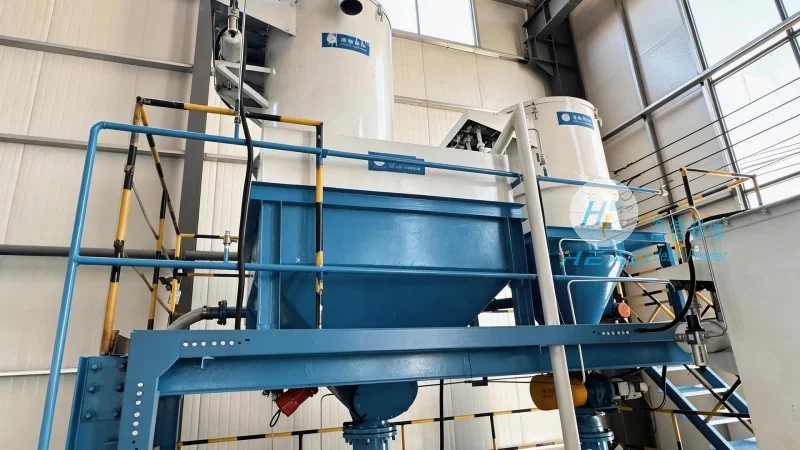
Pneumatic conveying systems operate by creating a pressure differential between the conveying line and the ambient environment. This differential allows air to flow through the system, carrying the wheat starch particles along the pipeline. There are two primary types of pneumatic conveying: pressure and vacuum systems. Pressure systems use compressed air to push the material forward, while vacuum systems use a vacuum to pull the material into the system. For wheat starch, which is often handled in a hygienic environment, vacuum systems are commonly preferred due to their ability to maintain a negative pressure, preventing dust and contamination from escaping. The choice between pressure and vacuum depends on factors such as the distance to be conveyed, the material's properties, and the desired system complexity.
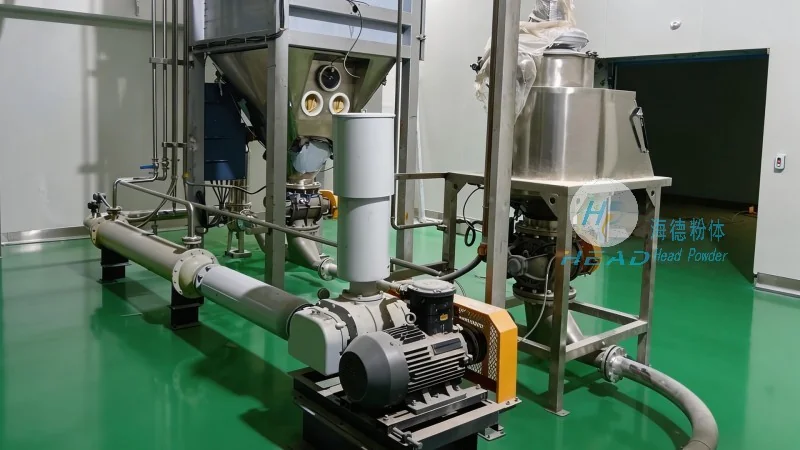
A typical wheat starch pneumatic conveying system consists of several critical components that work in tandem to ensure smooth operation. These components include the material feed hopper, the air supply unit (either a blower or compressor), the conveying line (usually made of stainless steel for hygiene and durability), the control valves, and the discharge hopper or receiver. The material feed hopper is designed to store and meter the wheat starch, ensuring a consistent flow into the system. It often includes a level indicator and a discharge valve to control the material feed rate. The air supply unit provides the necessary airflow and pressure to move the material through the pipeline. For vacuum systems, a vacuum pump is used to create the negative pressure, while for pressure systems, a positive pressure blower is employed. The conveying line is the main pathway for the material and air, and its diameter and length are carefully selected based on the material's flow characteristics and the required conveying velocity. Control valves, such as rotary airlocks or slide gates, are used to regulate the flow of material and air, preventing backflow and ensuring smooth operation. The discharge hopper or receiver collects the conveyed wheat starch and may include a discharge valve or a rotary valve to control the material's release into the next processing stage.
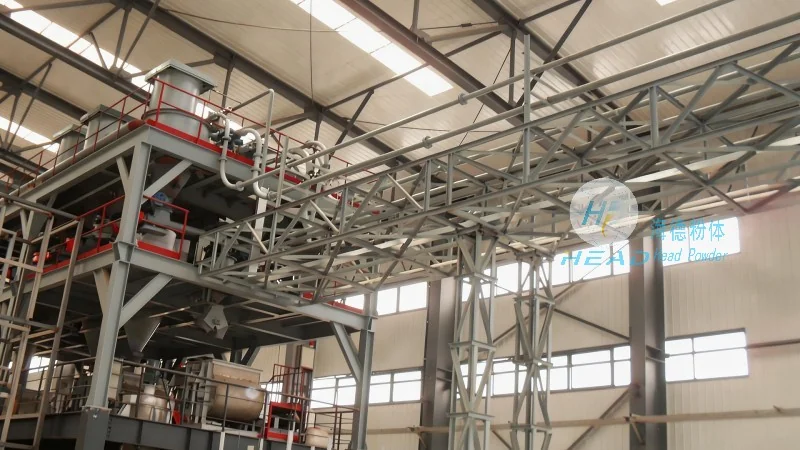
The design of a wheat starch pneumatic conveying system involves several key principles to ensure efficiency, reliability, and cost-effectiveness. One of the primary principles is the selection of the appropriate conveying velocity. The conveying velocity must be high enough to prevent material deposition on the pipeline walls but low enough to avoid excessive wear and energy consumption. For wheat starch, a typical conveying velocity ranges from 20 to 30 meters per second, depending on the system's configuration and the material's properties. Another critical principle is the consideration of the material's physical properties, such as particle size, density, and moisture content. These properties affect the system's design, including the choice of components and the required airflow. For example, finer wheat starch particles may require a higher conveying velocity to prevent clogging, while larger particles may need a larger pipeline diameter to maintain flow. The system's layout and the distance to be conveyed are also important design considerations. The pipeline should be designed with minimal bends and changes in direction to reduce pressure losses and prevent material buildup. Additionally, the system should be equipped with appropriate cleaning mechanisms, such as air knives or sweepers, to maintain hygiene and prevent material accumulation.
Given that wheat starch is used in food and pharmaceutical applications, maintaining high standards of hygiene and sanitation is paramount. The design of the pneumatic conveying system must adhere to strict sanitary guidelines to prevent contamination and ensure product safety. Stainless steel is the preferred material for all components that come into contact with the wheat starch, as it is corrosion-resistant, easy to clean, and non-reactive. The system should be designed with smooth, rounded surfaces and no dead zones where material can accumulate. The air supply unit should be equipped with filters to remove any contaminants from the air, ensuring that the conveyed material remains clean. The control valves and discharge hopper should be designed with easy-to-clean features, such as removable parts and smooth surfaces. Regular cleaning and maintenance of the system are also essential to maintain hygiene and prevent the growth of bacteria or other microorganisms.
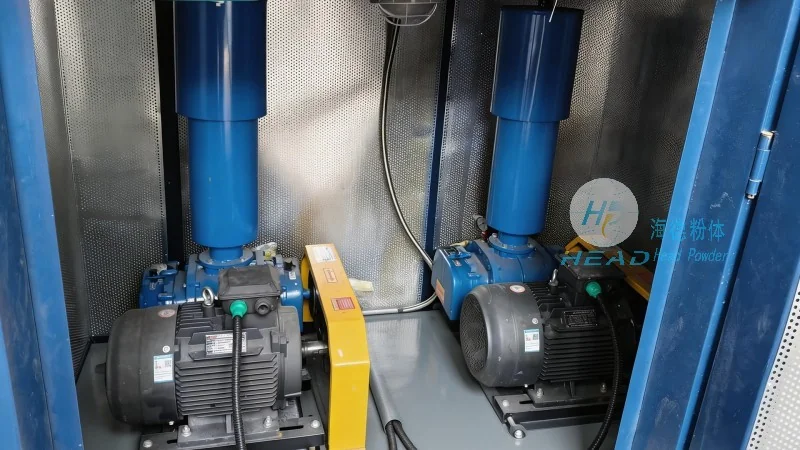
Energy efficiency is a significant factor in the design and operation of pneumatic conveying systems. The choice of air supply unit, the system's layout, and the conveying velocity all impact the energy consumption of the system. For example, using a high-efficiency blower or vacuum pump can reduce energy costs, while optimizing the pipeline design can minimize pressure losses and energy usage. The system's design should also consider the long-term operational costs, including maintenance and replacement of components. Regular maintenance, such as cleaning the filters and checking the air supply unit, can extend the system's lifespan and reduce downtime. Additionally, the use of energy-efficient components, such as variable frequency drives (VFDs) for the air supply unit, can further reduce energy consumption and operating costs.

 Shandong Headpowder Engineering Co., Ltd.
 156-6277-7102(Manager Zhang)
  0531-83386006
  Zhangqiu District, Jinan City, Shandong Province, China
telephone
WeChatconsult
top