With more than 10‑year industry experience, Shandong Headpowder delivers full‑service pneumatic‑conveying systems and blowers, undertaking nationwide turn‑key powder‑handling projects.
For industrial applications requiring efficient and reliable transport of cement and other dry powders, the pneumatic conveying system offers a robust solution. This technology is essential for optimizing material handling processes in construction, manufacturing, and related industries. The system operates by using air pressure to move dry powders through a network of pipes, ensuring minimal product degradation and consistent flow rates. Understanding the underlying principles of this system is crucial for selecting the right equipment and ensuring optimal performance. As a leading provider in the field, Shandong HeadPowder Engineering Co., Ltd. specializes in designing and implementing such systems tailored to meet the specific needs of clients across various industries.
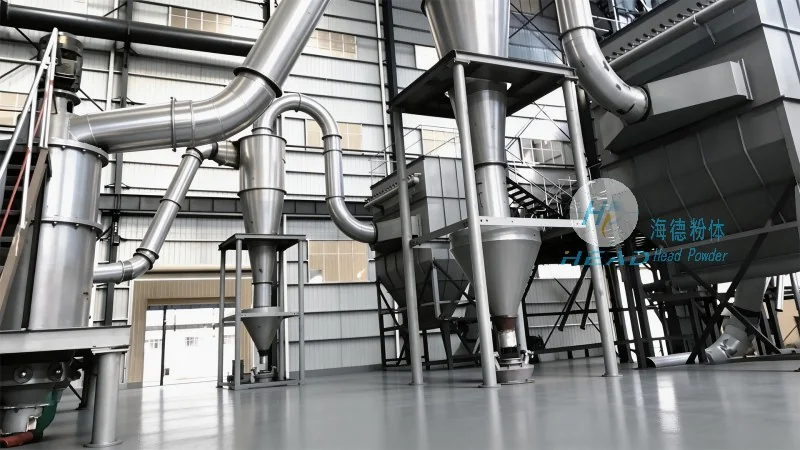
The cement dry powder pneumatic conveying system comprises several critical components that work in tandem to achieve effective material transport. These include the hopper for material storage, the air compressor or blower to generate the necessary air pressure, the conveying pipes that form the transport pathway, and the control valves and regulators to manage the flow. Each component plays a vital role in maintaining system efficiency and preventing issues such as blockages or pressure fluctuations. The design of these components must consider factors like material properties, required conveying distance, and operational conditions to ensure long-term reliability. For instance, the hopper design may vary depending on the bulk density and flow characteristics of the cement, while the air compressor must be selected based on the system's required airflow and pressure. Shandong HeadPowder Engineering Co., Ltd. ensures that all components are carefully selected and integrated to create a cohesive and efficient system.
The core mechanism of the cement dry powder pneumatic conveying system involves the creation of a high-velocity air stream within the conveying pipes. As air is forced through the system, it picks up the dry powder particles from the hopper and transports them to the destination point. The air velocity must be sufficient to overcome the gravitational forces acting on the particles and maintain a stable suspension. This process can be categorized into different modes based on the air flow direction and pressure conditions, such as pressure, vacuum, and mixed conveying systems. Each mode has specific applications and advantages, allowing for flexibility in system design to suit various industrial needs. For example, pressure conveying systems are commonly used for long-distance transport, while vacuum systems are suitable for short-distance or low-volume applications. The choice of mode depends on factors like the required conveying distance, material characteristics, and operational constraints.
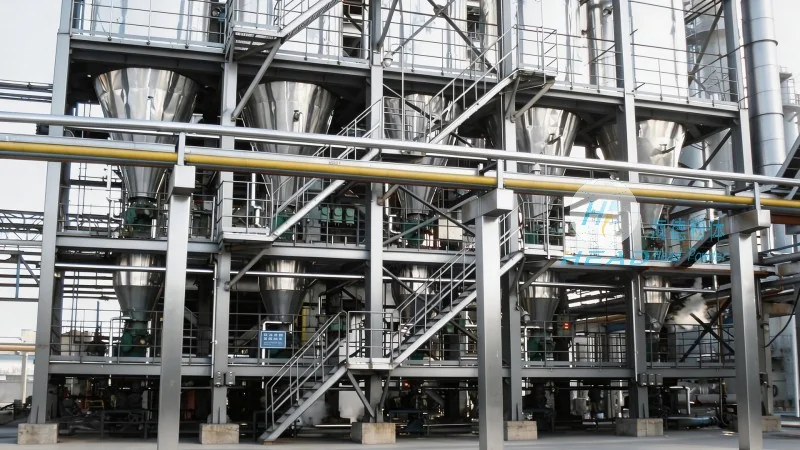
Implementing a pneumatic conveying system for cement offers numerous benefits that enhance operational efficiency and product quality. One of the primary advantages is the ability to transport dry powders without the need for mechanical components like belts or buckets, reducing maintenance requirements and minimizing the risk of product contamination. The system also allows for continuous operation, enabling seamless integration into production lines and reducing downtime. Additionally, the enclosed nature of the conveying pipes prevents dust emissions, improving workplace safety and compliance with environmental regulations. These advantages make the pneumatic conveying system a preferred choice for industries seeking reliable and cost-effective material handling solutions. Shandong HeadPowder Engineering Co., Ltd. has successfully implemented such systems for numerous clients, demonstrating the effectiveness and efficiency of this technology.
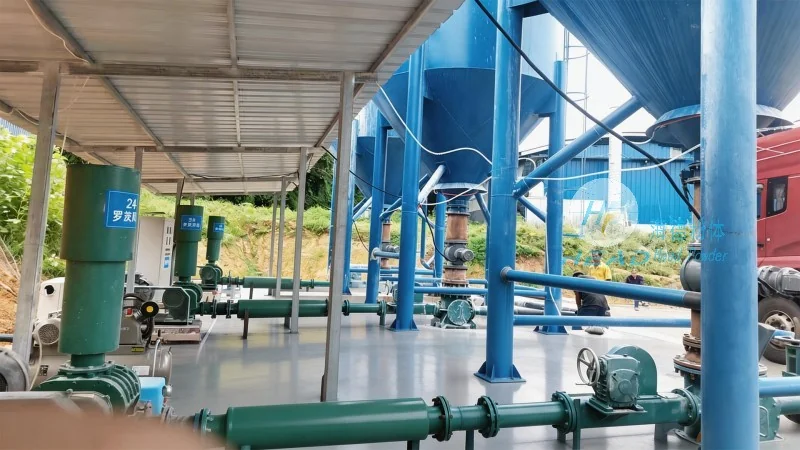
The cement dry powder pneumatic conveying system is versatile and can be adapted to a wide range of applications, from small-scale batch processing to large-scale continuous production. Customization is a key aspect of the system, as it can be tailored to meet specific operational requirements. Factors such as the type of cement (e.g., Portland cement, slag cement), the required conveying distance, and the desired flow rate influence the system design. For example, in a cement plant, the system may be used to transport raw materials to the grinding mills or to distribute finished cement to storage silos. In construction sites, it can be employed to deliver cement to mixing stations. The ability to customize the system ensures that it meets the unique needs of each application, maximizing performance and efficiency. Shandong HeadPowder Engineering Co., Ltd. works closely with clients to understand their specific requirements and design a system that optimizes material transport while minimizing operational costs.
Proper maintenance and operational management are essential for ensuring the long-term performance and reliability of the cement dry powder pneumatic conveying system. Regular inspections of the air compressor, conveying pipes, and control valves are necessary to identify and address potential issues before they escalate. Cleaning the system, particularly the hopper and pipes, is crucial to prevent the buildup of material residues that can affect flow and cause blockages. Additionally, monitoring air pressure and flow rates helps in detecting any deviations from normal operation, allowing for timely adjustments. Proper training of operators on the system's operation and maintenance procedures is also vital to minimize downtime and ensure safe operation. By adhering to these practices, the system can operate efficiently and provide consistent performance over its service life. Shandong HeadPowder Engineering Co., Ltd. provides comprehensive maintenance services and technical support to help clients maintain their systems in optimal condition.

 Shandong Headpowder Engineering Co., Ltd.
 156-6277-7102(Manager Zhang)
  0531-83386006
  Zhangqiu District, Jinan City, Shandong Province, China
telephone
WeChatconsult
top