With more than 10‑year industry experience, Shandong Headpowder delivers full‑service pneumatic‑conveying systems and blowers, undertaking nationwide turn‑key powder‑handling projects.
Activated carbon is a crucial material in various industrial processes, and its efficient handling and transportation are essential for maintaining production efficiency and product quality. Pneumatic conveying equipment, specifically designed for activated carbon, plays a vital role in this regard. This article provides an in-depth introduction to the structure and operational principles of activated carbon pneumatic conveying equipment, helping readers understand how this technology facilitates the movement of fine powders like activated carbon.
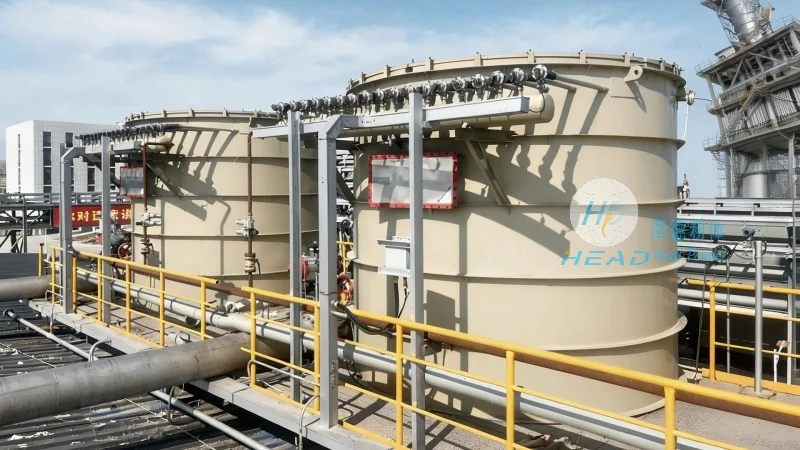
Activated carbon, also known as activated charcoal, is a highly porous carbon material with a large surface area, widely used in water treatment, air purification, and chemical processes. The efficient transportation of activated carbon from storage to processing units or packaging areas is critical. Pneumatic conveying systems offer a solution by using air to transport the powder, eliminating the need for mechanical components that might cause contamination or damage to the delicate particles.
The activated carbon pneumatic conveying equipment typically consists of several key components that work in coordination to achieve the desired material transport. The main components include:
The operation of activated carbon pneumatic conveying equipment is based on the principle of transporting solid particles using a gas stream. There are two main types of pneumatic conveying systems: positive pressure (blow) systems and negative pressure (suction) systems.
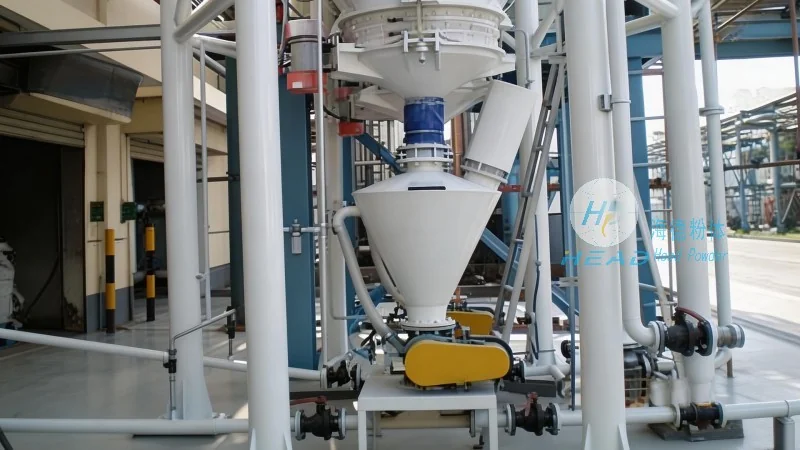
In a positive pressure system, the blower generates high-pressure air that is introduced into the conveying line at the feed point. The air flow carries the activated carbon particles through the pipeline to the discharge point. The pressure drop along the pipeline is managed to ensure that the material is transported without clogging or excessive pressure loss.
In a negative pressure system, a vacuum is created at the discharge end, drawing the activated carbon particles from the feed point into the pipeline. The air flow then carries the particles to the collection point where the air is filtered and the material is separated.
The choice between these systems depends on factors such as the distance of transport, the quantity of material to be conveyed, and the need to prevent contamination or product degradation. For activated carbon, which is often sensitive to moisture and contamination, a well-designed system that maintains low pressure and temperature is crucial.
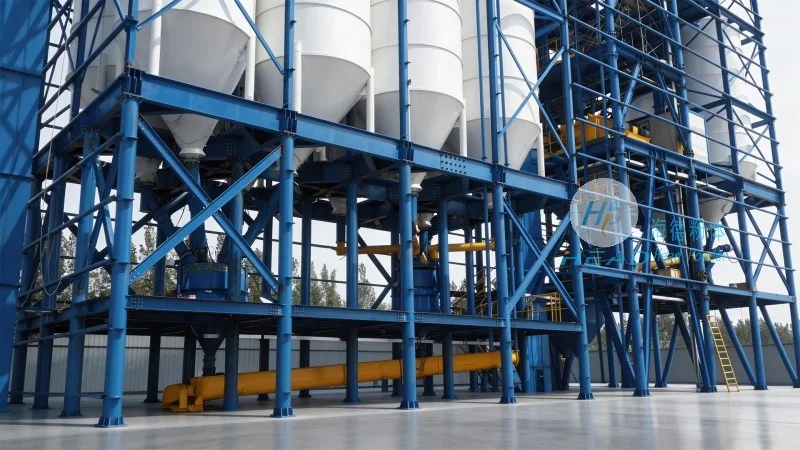
Using pneumatic conveying for activated carbon offers several advantages over traditional mechanical conveying methods:
Activated carbon pneumatic conveying equipment is widely used in various industries where activated carbon is a key component. Some common applications include:
Shandong HeadPowder Engineering Co., Ltd. is a professional manufacturer and supplier of advanced powder handling equipment, including activated carbon pneumatic conveying systems. With years of experience in the industry, the company specializes in designing and manufacturing customized solutions to meet the specific needs of clients. HeadPowder's equipment is known for its high efficiency, reliability, and durability, ensuring that clients can achieve optimal performance in their production processes. The company's headquarters is located in Shandong, China, where it continues to innovate and provide top-quality products to the global market.

 Shandong Headpowder Engineering Co., Ltd.
 156-6277-7102(Manager Zhang)
  0531-83386006
  Zhangqiu District, Jinan City, Shandong Province, China
telephone
WeChatconsult
top