

What is a Pyrolysis Carbon Pneumatic Conveying Equipment? Introduction to the Structure and Working
Pyrolysis carbon is a specialized carbon material derived from the thermal decomposition of organic substances in an oxygen-free environment. It exhibits remarkable properties including high electrical conductivity, large surface area, and excellent chemical stability, which makes it a crucial component in applications such as battery materials, catalysts, and adsorbents. The efficient transportation of pyrolysis carbon powder is a critical operational step in production processes, and pneumatic conveying equipment serves as the core technology for achieving safe and effective powder transfer.
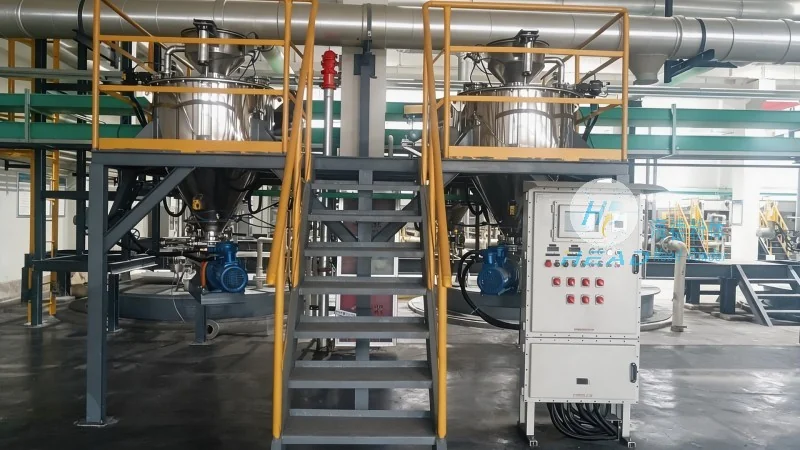
Overview of Pyrolysis Carbon Pneumatic Conveying Equipment
Pyrolysis carbon pneumatic conveying equipment is a specialized system engineered to transport pyrolysis carbon powder via air or other gas streams. It is an integral part of the powder handling infrastructure within pyrolysis carbon production facilities. The system typically comprises several key components: a feeding unit, conveying pipelines, a dust removal system, and a control system. The primary function is to move the powder from its source to the destination under the pressure of the gas flow, ensuring a continuous and controlled transport process.
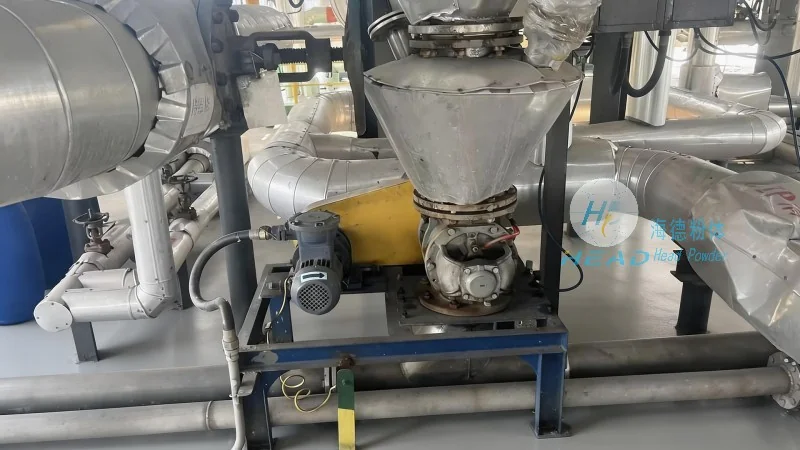
Structure and Working Principle of the Equipment
The structural design of pyrolysis carbon pneumatic conveying equipment is built around four main functional modules: 1. Feeding Unit: This component manages the intake of pyrolysis carbon powder into the conveying system. It generally includes a hopper for material storage, a feeder to regulate the feed rate and quantity, and a valve to control the opening of the feed port. The hopper ensures a steady supply of powder, while the feeder maintains consistent flow rates, and the valve provides precise control over material entry. 2. Conveying Pipeline: This is the central transport channel, constructed from corrosion-resistant materials like stainless steel to preserve the purity of the powder and the durability of the equipment. The pipeline is equipped with pressure sensors and flow meters to monitor real-time conveying conditions, ensuring optimal performance. 3. Dust Removal System: This module is essential for maintaining air quality and preventing dust accumulation. It typically integrates a cyclone separator, a filter, and a dust collector. The cyclone separator uses centrifugal force to separate powder from air, while the filter removes fine particles. The dust collector then gathers the collected dust for either recycling or disposal, ensuring compliance with environmental standards. 4. Control System: This module oversees the entire operational process. It includes a control panel for setting parameters such as feeding speed, air pressure, and conveying distance, a sensor network to monitor equipment status (e.g., pressure, temperature, and powder levels), and a computer system to log operational data and generate performance reports.
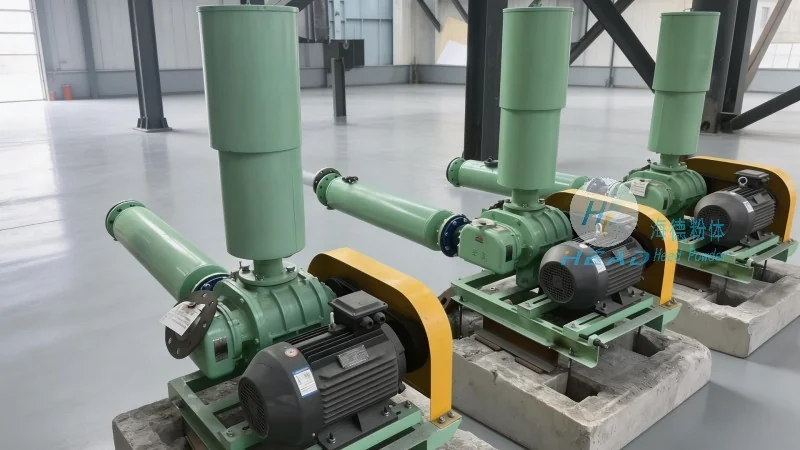
Key Features and Advantages
Pyrolysis carbon pneumatic conveying equipment offers several distinct advantages: 1. High Efficiency: The system enables rapid and high-capacity powder transport, reducing operational time and labor costs significantly. 2. Low Energy Consumption: By utilizing air as the conveying medium, the equipment operates with high energy efficiency and minimal environmental impact. 3. Enhanced Safety: Integrated safety features, such as pressure relief valves and emergency stop buttons, ensure reliable and safe operation under all conditions. 4. Simplified Maintenance: The equipment features a straightforward design, facilitating easy installation and routine maintenance. 5. Versatile Applications: Its adaptability allows use across diverse industries, including battery manufacturing, catalyst production, and adsorbent production, among others.
Application Scenarios
Pyrolysis carbon pneumatic conveying equipment is widely deployed in various industrial settings: 1. Battery Manufacturing: In lithium-ion battery production, pyrolysis carbon serves as an anode material. The equipment efficiently transfers the powder from the production line to the battery assembly stage. 2. Catalyst Production: For catalyst manufacturing, pyrolysis carbon acts as a carrier material. The system ensures seamless transport of the powder to the catalyst production line. 3. Adsorbent Manufacturing: In adsorbent production, pyrolysis carbon is a primary raw material. The equipment facilitates the transfer of the powder to the adsorbent production facility. 4. Other Industries: Beyond these, the equipment is also utilized in sectors like food processing, pharmaceuticals, and chemicals, where powder handling is a critical operational requirement.
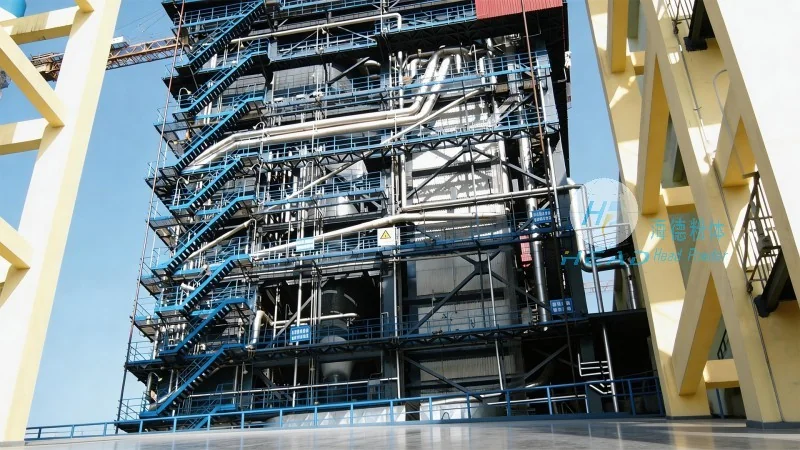
About Shandong HeadPowder Engineering Co., Ltd.
Shandong HeadPowder Engineering Co., Ltd. is a professional manufacturer specializing in powder handling equipment. The company is headquartered in Shandong, China. With a focus on research, development, production, and sales of pneumatic conveying systems—including pyrolysis carbon pneumatic conveying equipment—the company leverages a strong technical team and advanced manufacturing capabilities. Its products are widely adopted across industries such as battery, catalyst, and adsorbent production. The company is committed to delivering high-quality solutions and exceptional customer service on a global scale.